We often assume technology does the meaningful work in digitisation, but simply putting African heritage online doesn’t make it accessible to those with Pan-African heritage.
This insight emerged from an interview with Elizabeth Robey, a publisher at Coherent Digital, about its digital platform for African cultural heritage, Africa Commons. What inspired me was not just the scale of the work, but the care beneath it: access understood not as a technical fix, but as relationships, responsibility and shared benefit.
Coherent Digital is a for-profit company that aligns commercial sustainability with ethical practice. Subscriptions from western universities and libraries fund the platform infrastructure, digital preservation and partnerships with African institutions. More than $500,000 (£375,807) has been returned through royalties, licences and partnership projects to 90 organisations in seven African countries.
Archive project
Kenyan journalist Hilary Ng’weno (1938-2021) founded multiple print and televised media organisations.
In 2023, Kenya’s Moi University took on Ng’weno’s personal collection of print publications and archives to establish the Hilary Ng’weno Centre for East African Media Research. However, the university and the Ng’weno family faced concerns over material fragility, limited student access and the cost of digitisation.
Advertisement
Rather than being simply a technical challenge, it required trust, relationships and knowledge of the people and institutions connected to the archive. Ng’weno’s daughter, Bettina, associate professor at University of California, oversaw the project’s direction. She advocated for digitisation practices that prioritised access within Africa, helping to ensure that African institutions and audiences played a key role in determining how heritage materials were preserved, accessed and engaged with.
The project kept the archive at Moi University, with support from a partnership between the Ng’weno family, the university and Africa Commons. It was co-produced, with mutually agreed priorities, expectations and decisions about access.
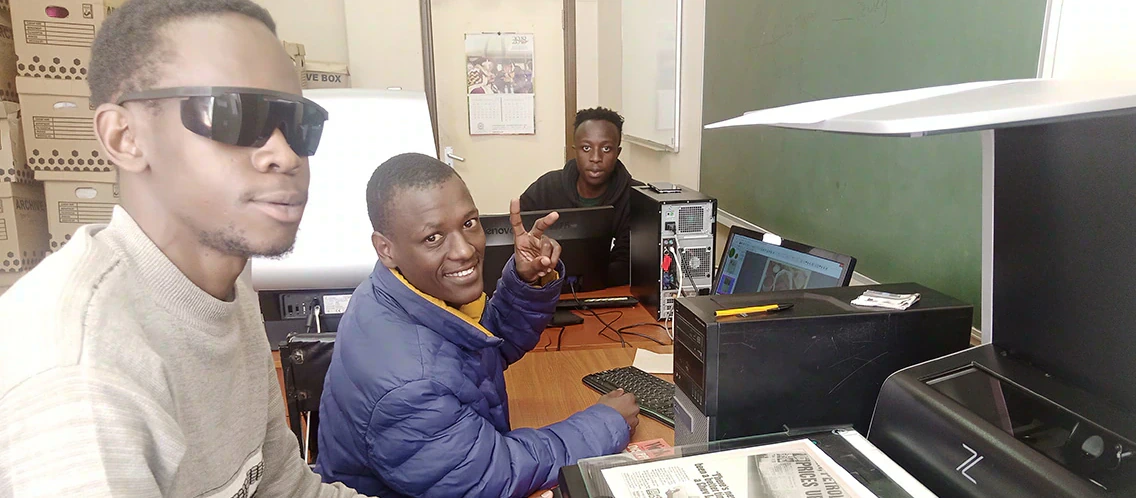
Coherent Digital is committed to an Africa-first approach, prioritising working with African partners to source, digitise and preserve collections, with the work, expertise and economic benefits remaining on the continent. So Digital Divide Data – an organisation that trains, employs and upskills disadvantaged young people across Africa – was commissioned to digitise in situ. The collection is hosted on Africa Commons, but was also returned to the family and university on a hard drive, ensuring access did not depend solely on the platform or internet connectivity. Shared stewardship was embedded in the project’s structure, with access routes, financial returns and decisions about future use agreed collaboratively.
African institutions and organisations are not simply sources of content, but active partners in preserving, shaping, and sharing African knowledge with the world. For social equity, Africa Commons has made three of its collections freely available to African institutions and historically Black colleges and universities in the US.
Key lessons for museums
Africa Commons has been shaped by a board of advisers comprising librarians, academics, community leaders and other professionals from across the continent. Their insight grounds Africa Commons’ approach to equitable access: a mobile-friendly platform designed with African users in mind, and collective decisions with the board and partners about where materials are held, who controls access and how benefits are shared.
Advertisement
Coherent Digital’s model creates revenue for long-term investment in relationships and sustainable infrastructure. Short-term grants lead only to temporary projects, which cannot sustain equitable or ethical access.
If museums are serious about equitable digital access, these considerations must shape projects from the outset. The key question is whether access to online collections is shared, usable and sustainable.
Our challenge isn’t simply digitising our collections to make them accessible; it’s about rethinking what digital access is designed for, who benefits, whose knowledge shapes it and whether source communities can access it.
Livi Adu is a freelance e-curator, social activist, artist, and advocate for inclusive digital spaces in the cultural sector. She runs Much Adu About, an initiative focused on making museums and heritage sites more accessible, equitable and decolonised