There is something quietly significant about having to navigate London’s Westfield shopping centre to reach an exhibition about Black British music. Not symbolic in a neat, intended way, but significant in the way that circumstances sometimes arrange themselves into meaning without asking permission.
Having escaped the heat of the tube on one of the hottest days of the year, I circumvented that surreal environment of retail and fluorescent lighting to find myself in the open plaza, among others seemingly heading to the same place. This was confirmed as strangers in front of me sought directions from the lone official. Ironically, we were only metres away.
What we arrived at was a huge queue for the exhibition preview that was almost theatrical in itself. With museum staff circulating through it assuring everyone that they would get in, the atmosphere outside was palpable. The entrance to the V&A East had been transformed into its own spectacle. The hissing and puffing of smoke machines punctuated the air as some guests started live-streaming before they had even entered the main event. Getting inside depended on the frequency of people leaving. It was joyous to witness the happy faces as we approached the entrance.
Once inside, I found myself directed towards an elevator and told to proceed to the third floor. I assumed we were heading to the exhibition, but found we had ended up in the overflow party space. Entrance was one in, one out, but the queue moved quickly.
Once inside and set up with my headset, I found myself mingling with a constantly changing group of managers, promoters, musicians and their partners. At one point this included Neville Staple and Jerry Dammers, both members of ska band The Specials; Rhoda Dakar, lead singer of The Bodysnatchers, who, like The Specials, were signed to the 2 Tone record label; and David Grant, one half of the soul/funk duo Linx.
They each reflected on how a moment from their life had been captured and now sat here among more than 200 objects. These events are so few and far between, it should not surprise anyone that the contributors made the effort to be there.
Advertisement
Instrument of change
Since that opening preview, I’ve visited the exhibition three times. What changes between visits is not the exhibition, but you. Things have calmed down – although only a little – but you still have to book ahead to secure your preferred time slot. I’ve got used to slipping on the headset and engaging with the 120 tracks and narrator content, which is precisely mapped to individual locations across the gallery. I heard someone refer to this as background noise. It’s not. It is your own private tutor and a curated soundtrack of British genres delivered directly into your ear.
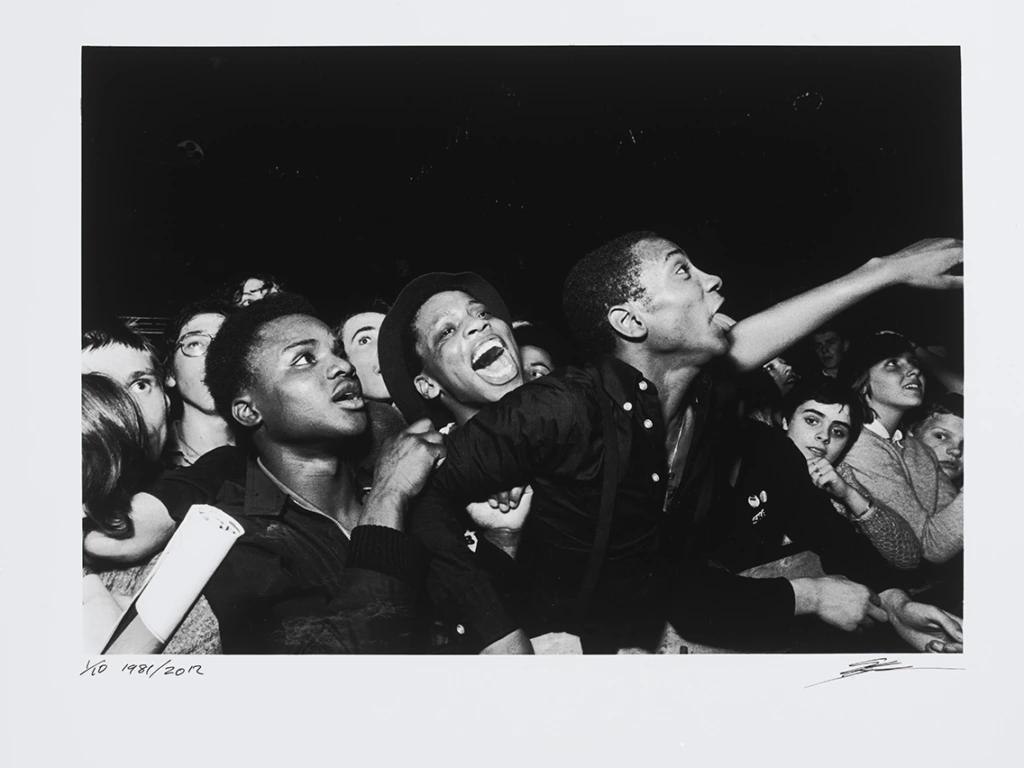
From classical, through jazz, jungle to grime, the story of Black British music remains complex, but always engaging. The visual mapping of slave ships and Africans, as well as old stringed instruments – not least a violin from my band, the Reggae Philharmonic Orchestra – presents connections to colonialism that are unavoidably thought-provoking. At one point, I turned a corner and found an image of myself in a Ku Klux Klan hood.
As a member of 1970s reggae band Steel Pulse, I had made and performed in these hoods, as a direct response to the racism we faced on the streets of Handsworth. Ironically, as I stood next to a group of visitors discussing this image, I found myself quietly wondering: “If they only knew that I’m right here, standing next to them.” The moment was strange, private, almost comic, yet completely serious.
In room after room, I found film, images and text drawn from extensive archival collections all gloriously presenting this intergenerational collection of artists in their youth. It contrasted with the wear and tear of decades of touring I saw etched into the now older faces of these frontline contributors on the opening night. It was emotional.
Advertisement
Photographers were also present and pointing out their images. Works by Adrian Boot, Pogus Caesar, Dennis Morris, Neil Kenlock, Ian Watts, Normski, Jennie Baptiste, Harry Hammond, Sam White and Eddie Otchere were on show.
A serious note
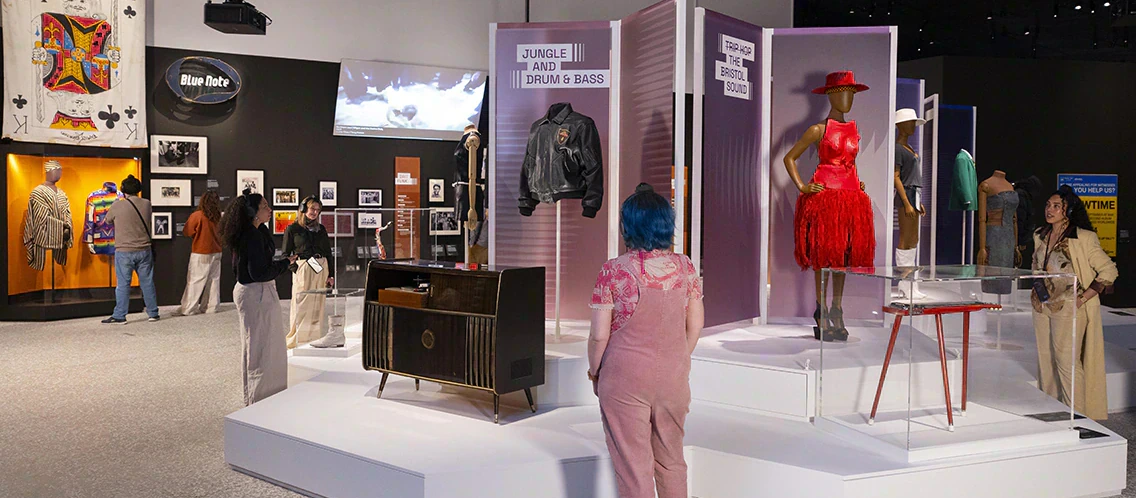
As we entered a large room full of costumes and instruments, as well as a Blaupunkt stereogram and screens displaying video content, I was reminded of the work involved in putting one of these exhibitions together.
Jacqueline Springer, lead curator of The Music Is Black: A British Story, has done a fantastic job. I listened to her interview with Red Saunders and Caryl Phillips, two of the people behind the Rock Against Racism movement, and as a journalist, she nails the alliance of music and politics that defined so much of what we were doing in the late 1970s.
I found myself in the peculiar position of an insider spectator, watching contributions I had made to this history from the outside. I’m part of a collection of musicians who changed the British music industry, impacted the politics of the day and shared the experience globally. And here we were, in the V&A East, witnessing our history in a space that could not have been imagined four decades ago.
The 200-plus objects include Winifred Atwell’s piano; Joan Armatrading’s childhood guitar; the modified Nintendo console on which MC JME first built grime beats; and stagewear from Little Simz, Dame Shirley Bassey and Skin. Pioneers sat alongside contemporary stars, the likes of Jorja Smith and Skepta extending a line that runs back decades.
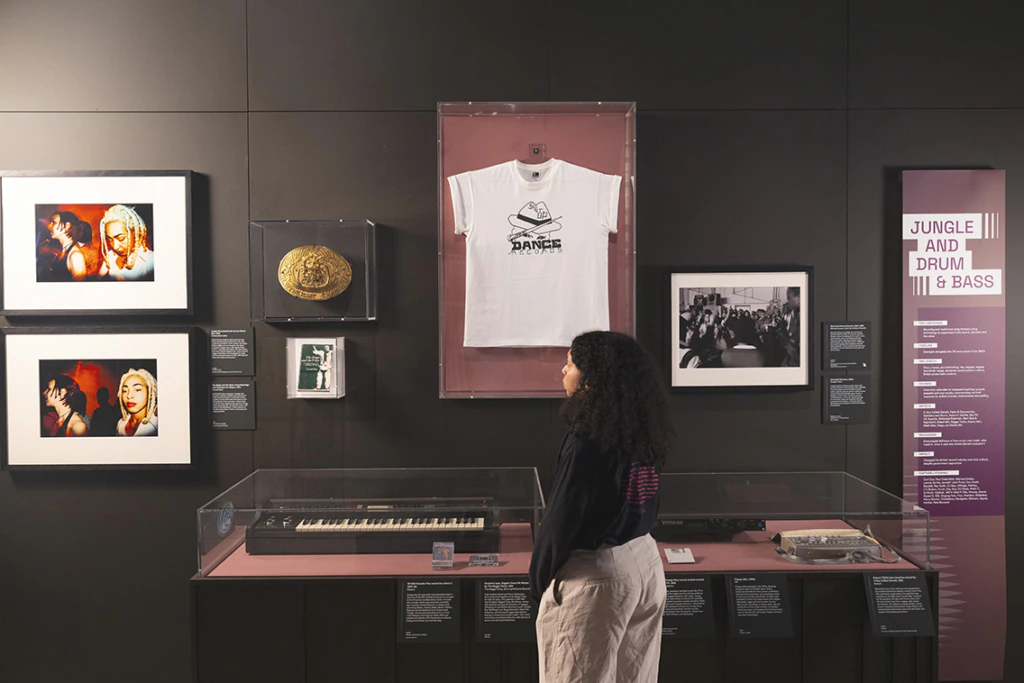
This exhibition sidesteps a strict chronological timeline, tracing the African origins of Black music and the birth of the diaspora through to Black British across eight key genres including grime, jungle and lovers rock.
Advertisement
And let me be clear about this: The Music Is Black is its own undertaking, not to be confused with or compared to other exhibitions. The collection does not ask for validation. It simply reaffirms the irrefutable evidence of an indisputable contribution.
Mykaell Riley is the UK’s first professor of Black British music and the director of the Black Music Research Unit at the University of Westminster. As a founder member of Steel Pulse and the Reggae Philharmonic Orchestra, he has spent more than 40 years as a performer, producer and curator of music exhibitions
Project data: The Music is Black: A British Story
Cost
Undisclosed
Supporters
Ford Foundation; Huo Family Foundation; GRoW @ Annenberg Foundation
Exhibition design
Sadeysa Greenaway-Bailey
Graphic design
Reality is__
AV video design
Gino Ricardo Green
Sound design and music production
Xana
Lighting design
Jai Morjaria
Creative production management
Mekel Edwards
Exhibition ends
3 January 2027
Admission
Adult, £22.50-£24.50; under 26, £11
Project data: V&A East
Cost
£135m
Main funders
LLDC with additional funds raised by the V&A
Architect
O’Donnell + Tuomey
Exhibition design for Why We Make Galleries
JA Projects; A Practice for Everyday Life; Larry Achiampong
Retail space design
Studio Mutt
Wayfinding
Fieldwork Facility
Admission
Free