On the 150th anniversary of the Welsh artist’s birth, the Cardiff branch of Amgueddfa Cymru – Museum Wales has mounted a comprehensive review of Gwendolen “Gwen” John’s career.
The museum holds the largest collection of the artist’s work, including 900 drawings from her studio, which were acquired in 1976.
This year, 2026, is also the centenary of John’s solo show at London’s Chenil Gallery, and the 1926 memorial exhibition of John’s American patron, John Quinn, where her work appeared alongside that of Pablo Picasso, Georges Braque and Paul Cézanne.
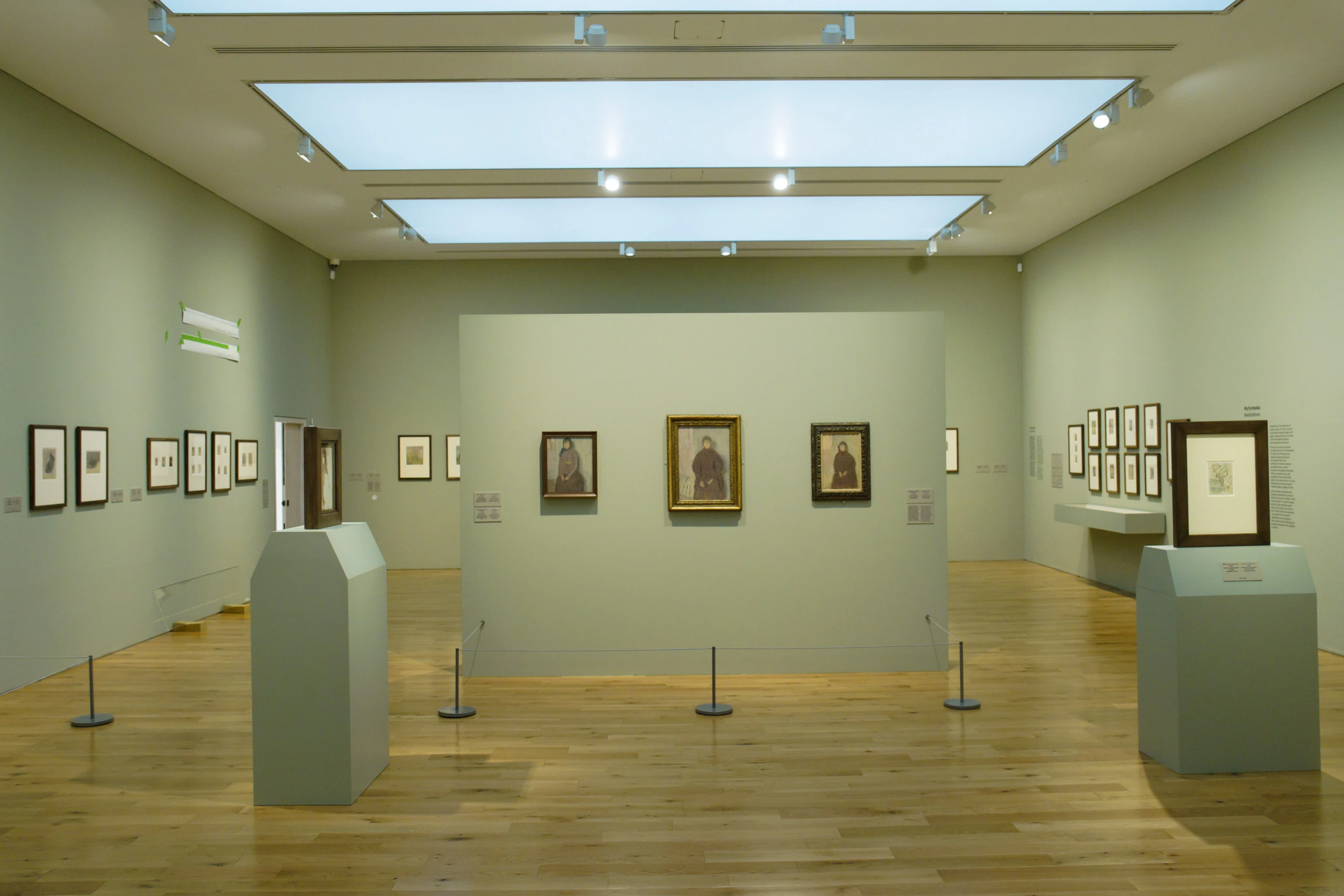
John was long seen through the lens of her biography and overshadowed by her brother, the painter Augustus John, and her lover, the French sculptor Auguste Rodin. This exhibition sets out to reinforce John as a modernist artist on her own terms. Interpreting her work through her theories of symbolism, colour and form, her letters and private papers, it seeks to find answers to a question John posed to herself in a 1919 note:
“Change, if possible, immediately, circumstances making thought more difficult
Guard your thoughts. At the first sign of wandering bringing them back by the question
‘What was my subject?’”
Advertisement
It is an example of the focus John brought to her art.
Mounted in the west block, the exhibition is a partnership between Amgueddfa Cymru, the National Galleries of Scotland, plus the US organisations the Yale Center for British Art and National Museum for Women in the Arts. It tours to all three venues in this order after its inaugural opening in Wales.
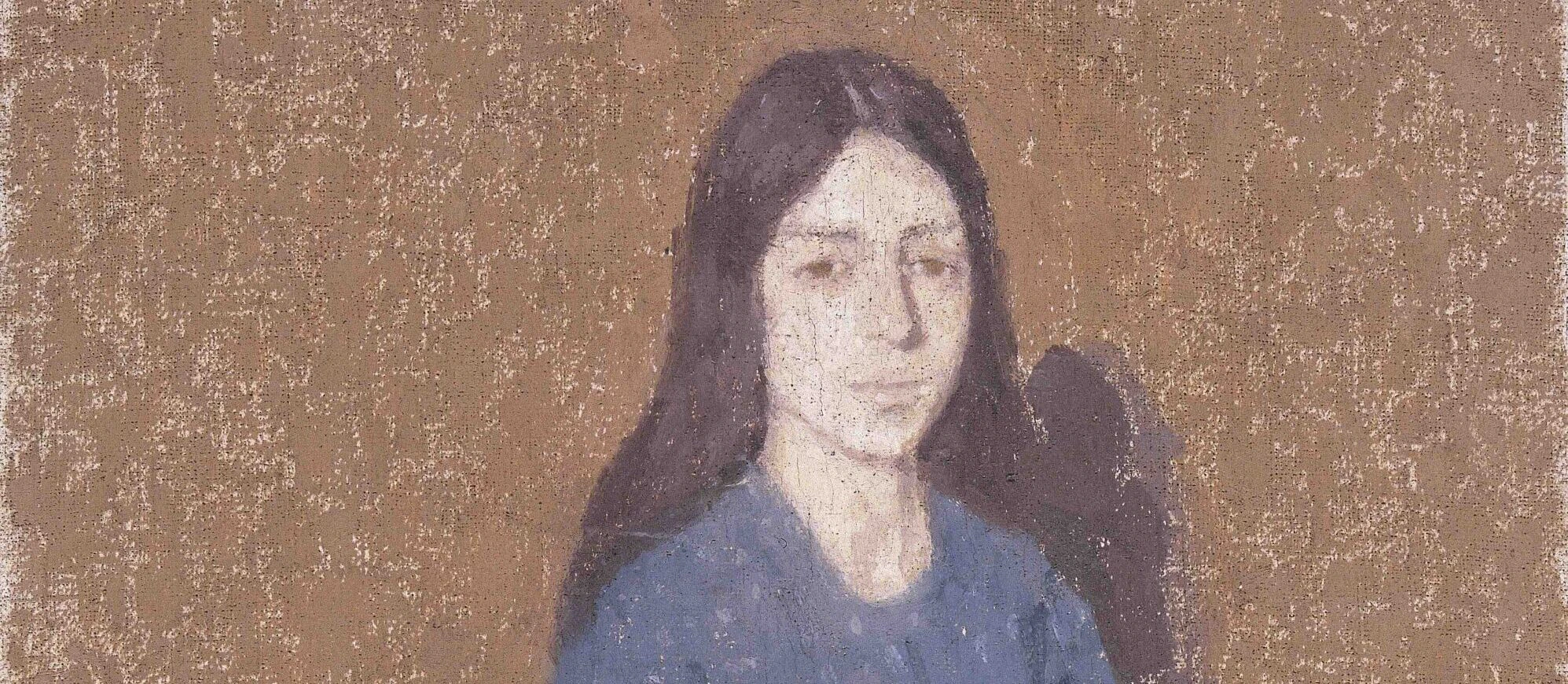
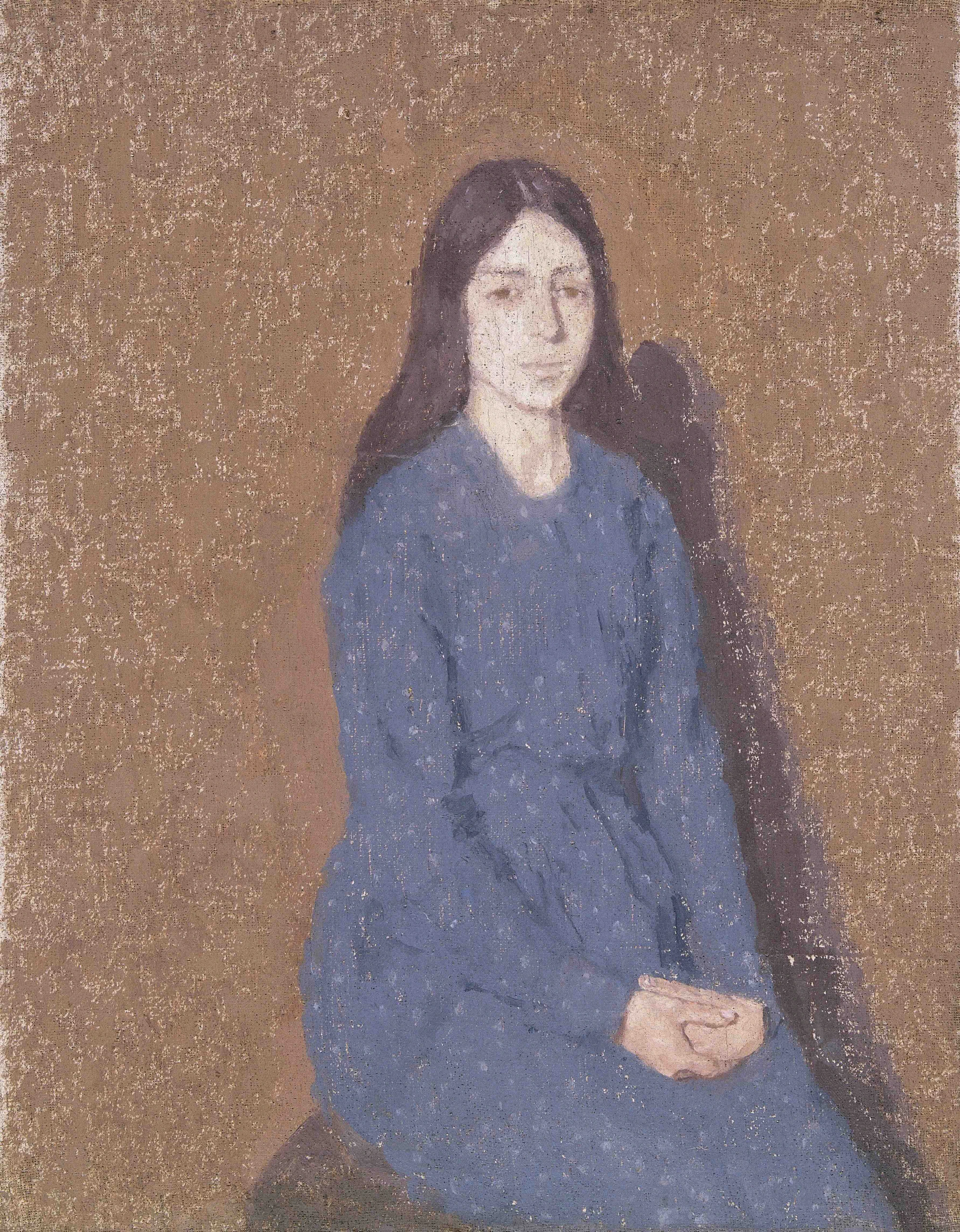
The show, curated by Lucy Wood, begins with Girl in a Blue Dress, 1915. This is the museum’s first John work, acquired in 1935, and is shown with her thank-you letter: “I am very happy and honoured that you have bought my little painting for the museum and I thank you for your praise and criticism of it.”
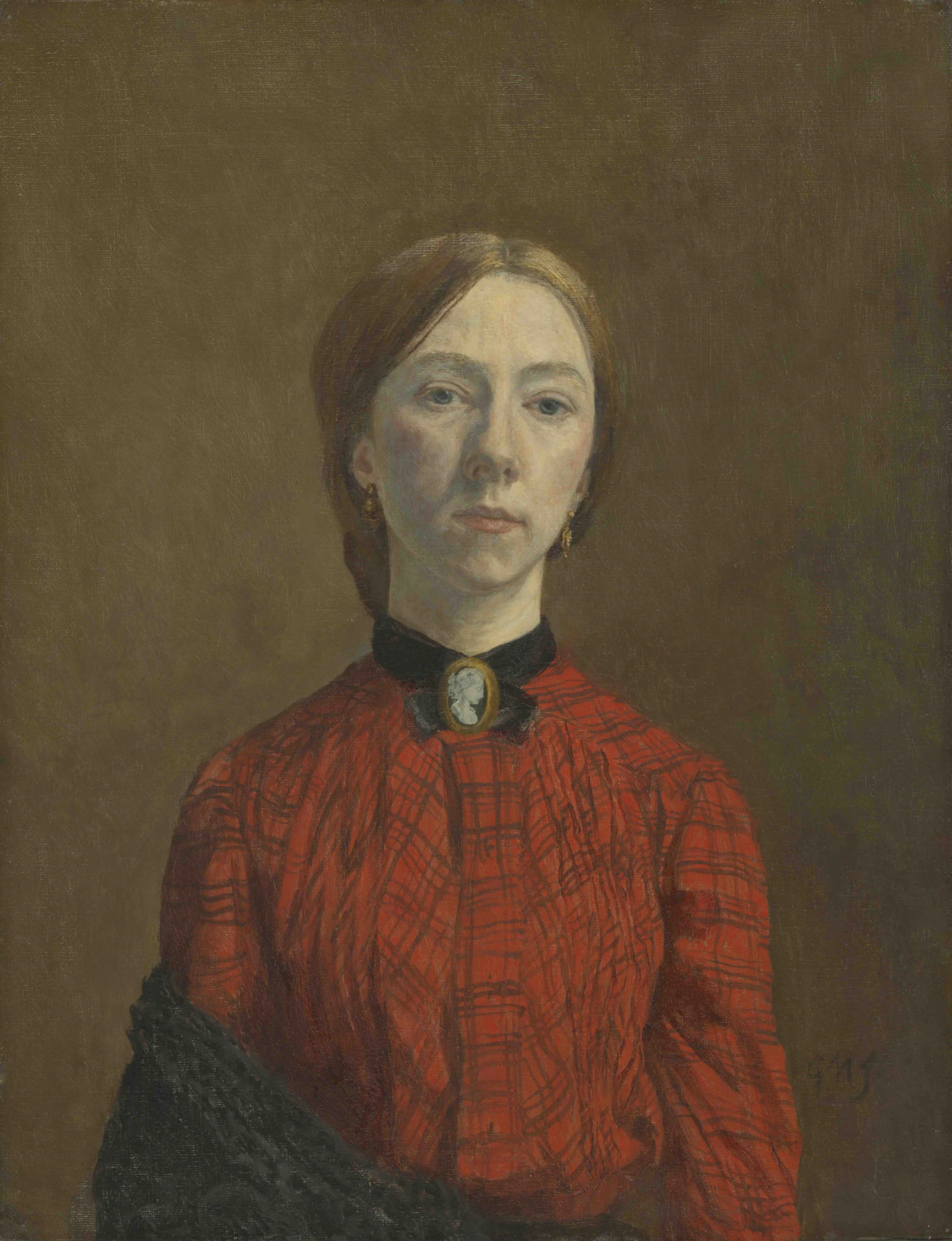
An intimate gallery then sets the scene of John’s arrival at the Slade School of Fine Art, London, which is represented by a self-portrait, portraits of friends, and her siblings Augustus and Winifred. The portrait of her landlady, Mrs Atkins, reveals an affinity with the intimate portraits Edouard Vuillard painted of his mother, notably in the way the furnishings and wallpaper design create surface patterns.
The female gaze
There is also the wonderful warmly lit chiaroscuro portrait of Dorothy “Dorelia” McNeill, with whom John travelled to Toulouse and who became Augustus’s life partner. The self-containment of John’s sitters became a hallmark of her art, inviting the viewer to consider a new kind of female gaze.
Advertisement
This is underlined in the next, airier room, where we encounter John’s experiments with drawing her own naked form.
Shown opposite the paintings of her Paris room, they herald the freedom John felt on arriving in the French capital. They make the connection between John’s work as an artist’s model, as well as being a model for Rodin, and her own quietly radical practice.
The interpretation is informative but subtle, enabling the viewer to follow trains of thought set off by carefully chosen facts. It is complemented with selected facsimiles of John’s papers from the National Library of Wales.
Feminist art scholarship assiduously notes Mary Chamot’s review of John’s Chenil show in the Burlington Magazine in 1926, her inclusion in the memorial show at Tate in 1952 with Frances Hodgkins and Ethel Walker, and later, in Linda Nochlin’s major survey of art by women, Women Artists from 1550-1950 (1976).
But, as the work of Nochlin and Griselda Pollock implicitly recognised, we are also invited to view John in the wider art canon.
Advertisement
John converted to Catholicism in 1913 and her commission to paint the founder of the Sisters of Charity convent in Meudon, Mére Poussepin, is a key chapter in the exhibition.
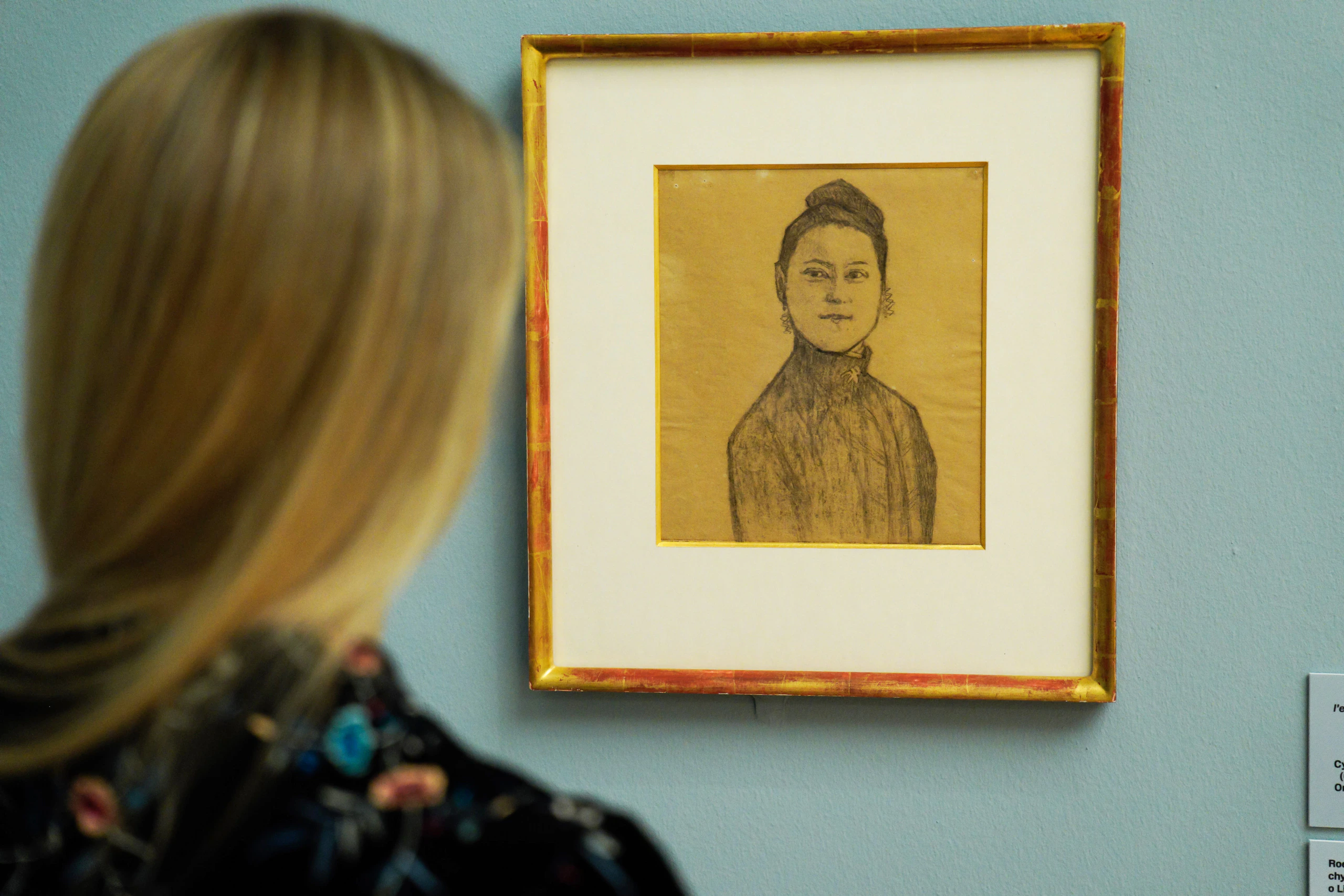
John’s sustained concentration is exemplified by The Convalescent, a portrait of an unnamed neighbour whom she painted 60 times. Due attention is given to John’s many works on paper. Experimentation with form is illustrated in the drawings she made at her local church and the prayer cards of St Thérèse of Lisieux that John copied repeatedly, in ink, chalk, then gouache.
God’s little artist
The title, Strange Beauties, comes from John’s description of herself as a “seer of strange beauties”. St Thérèse originated a religious practice known as “the little way” which Wood links to John’s creative method, observing John’s description of herself as “God’s little artist”.
Form, repetition, paring down – these all bring to mind Canadian-American abstract artist Agnes Martin’s palette in her meditative 20th-century works. John’s application of her faith to her art practice is examined as an aesthetic theory, partly through a comparison with symbolist and modernist Catholic converts such as the poet Arthur Symons, whose portrait John made.
John reveals this way of seeing in a letter to her friend Ursula Tyrwhitt: “Turgeneff [sic] makes me see pictures when I read him, but I should like better to be like Dostoyefsky [sic]!”, another seer of strange beauties in his character Prince Mishkin.
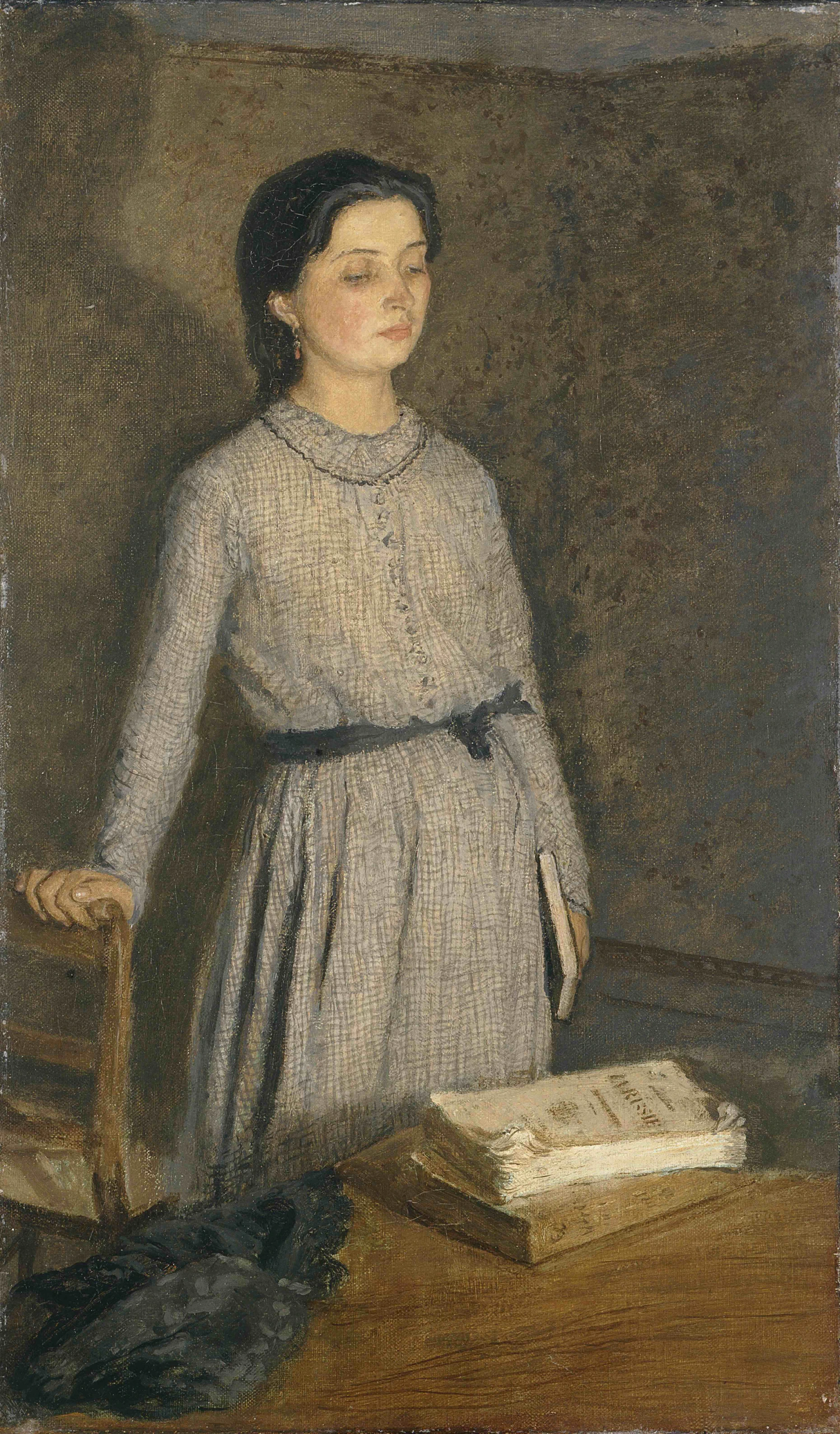
This exhibition recognises the work of feminist art history, and John scholars Cecily Langdale and Alicia Foster, as well as Amgueddfa Cyrmu – Museum Wales’s past curators. John has been the subject of three solo shows in Cardiff since 1976; as well as with Augustus John at Tate in 2004. And paintings such as Girl in Profile and The Artist’s Studio are consistently on display.
In 2019, the contemporary artist Andrea Büttner examined “the little way” in a show that connected John’s practice to the natural history collections. The 2023 Pallant House exhibition in Chichester, curated by Foster, included paintings by Vuillard, Cézanne and German expressionist Paula Modersohn-Becker.
Strange Beauties tells the story of John as an artist’s artist. It is well paced, with a concentrated rather than exhaustive selection, along with thoughtful interpretation that echoes John’s meditative modernism, seeing her “strange beauty” in her own terms.
Julia Carver is curator, art, at Bristol Museum and Art Gallery
Project data
Cost
Undisclosed
Main funder
Colwinston Charitable Trust
Additional support
Art Fund; Finnis Scott Foundation; Friends of Amgueddfa Cymru; Gibbs Trust; Gwendoline and Margaret Davies Charity; International Music and Art Foundation; Michael Marks Charitable Trust
Exhibition design
In house
Paint partner
Little Greene
Cases
My Wood Designs
Perspex supplier
Dipec
Walls
Fernleigh
Glass for frames
Wessex Glass
Graphics
Print Co Wales; Zenith Media
Decorating
A & N Kavanagh Painting and Decorating
Double-sided plinths
Cardiff MADE CIC
Material suppliers
Set Pieces UK; Fourdot
Art technician
Artworks Art Handling
Transport of works
Constantine
Facsimiles
Art Works Conservation
Exhibition ends
28 June
Admission
Standard £10; concession £7; under 16s free