Given the complex past of folklore as a field of study, an exhibition about it is likely to divide opinion.
Now showing at the Salisbury Museum after outings at Museum & Art Swindon, Wiltshire Museum, and Poole Museum, Un/Common People: Folk Culture in Wessex explores “everyday traditions, rituals and creativity” that have shaped cultural life across the Wessex region.
In the 19th century, folklore was heavily entangled with notions of the evolutionary ascent and descent of cultures – a belief that modern societies were “modern” because they had rejected or reformed the “primitive” within.
Reframing the narrative
“Primitivism”, as it was called in 19th- and 20th-century culture, was later labelled “folklore”. May Day celebrations and the like were deemed survivals of this primitive, often pagan past.
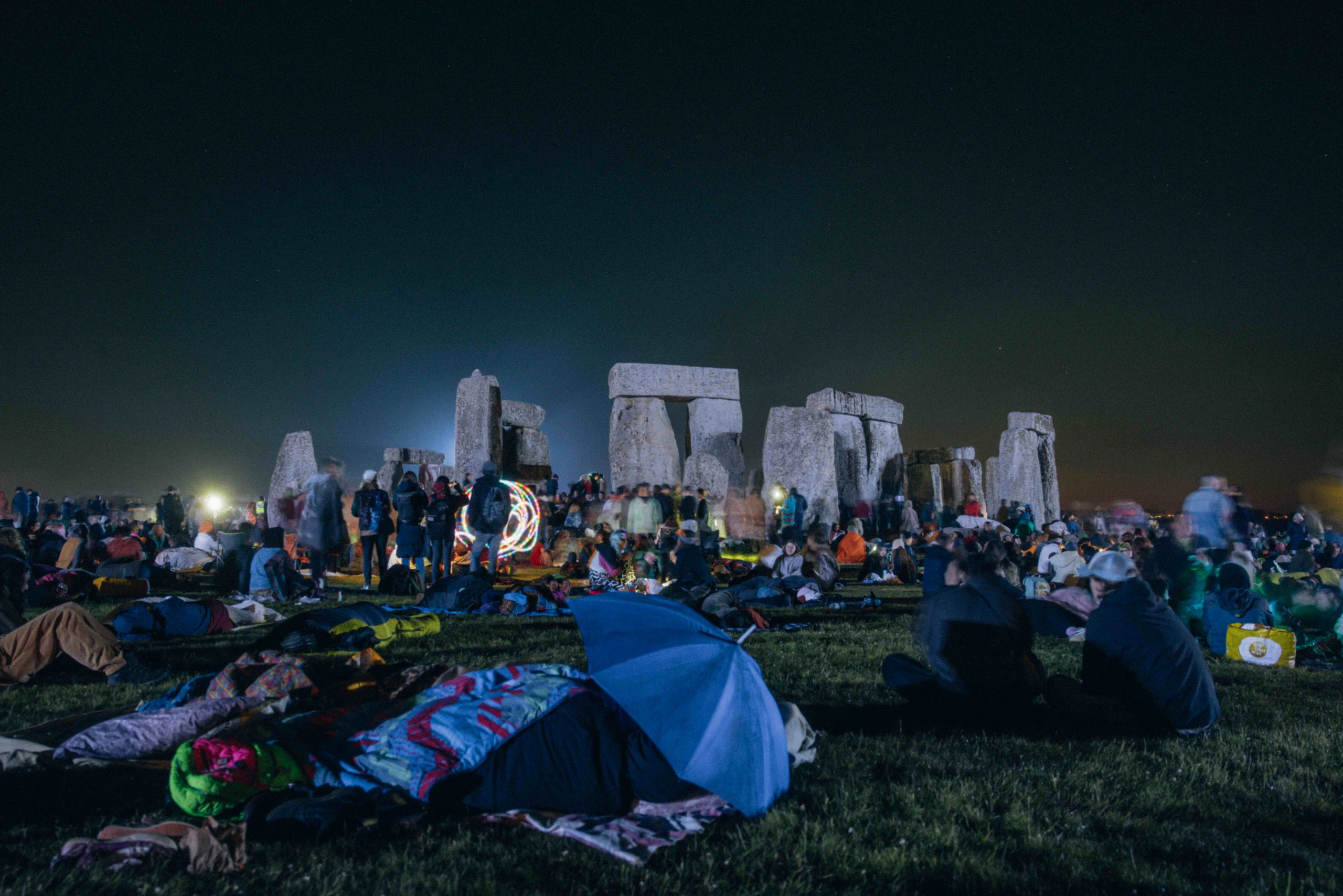
Such a worldview also tended to support colonialism, with other cultures presumed inferior because they were at different stages of their cultural evolution.
Advertisement
Today, folklorists are acutely aware of this complex history of their discipline, and folklore is now seen as the study of vernacular expressive culture in a myriad of forms, from food traditions to digital folklore, to cosplay.
Un/Common People, for the most part, sidesteps a lot of these debates, and instead chooses to celebrate folk artistry across the ages.
The exhibition is organised around three themes – Making, Place and People – with the latter proving the most compelling. Britain today (and Wessex in particular) is full of people who like to “do” folklore.
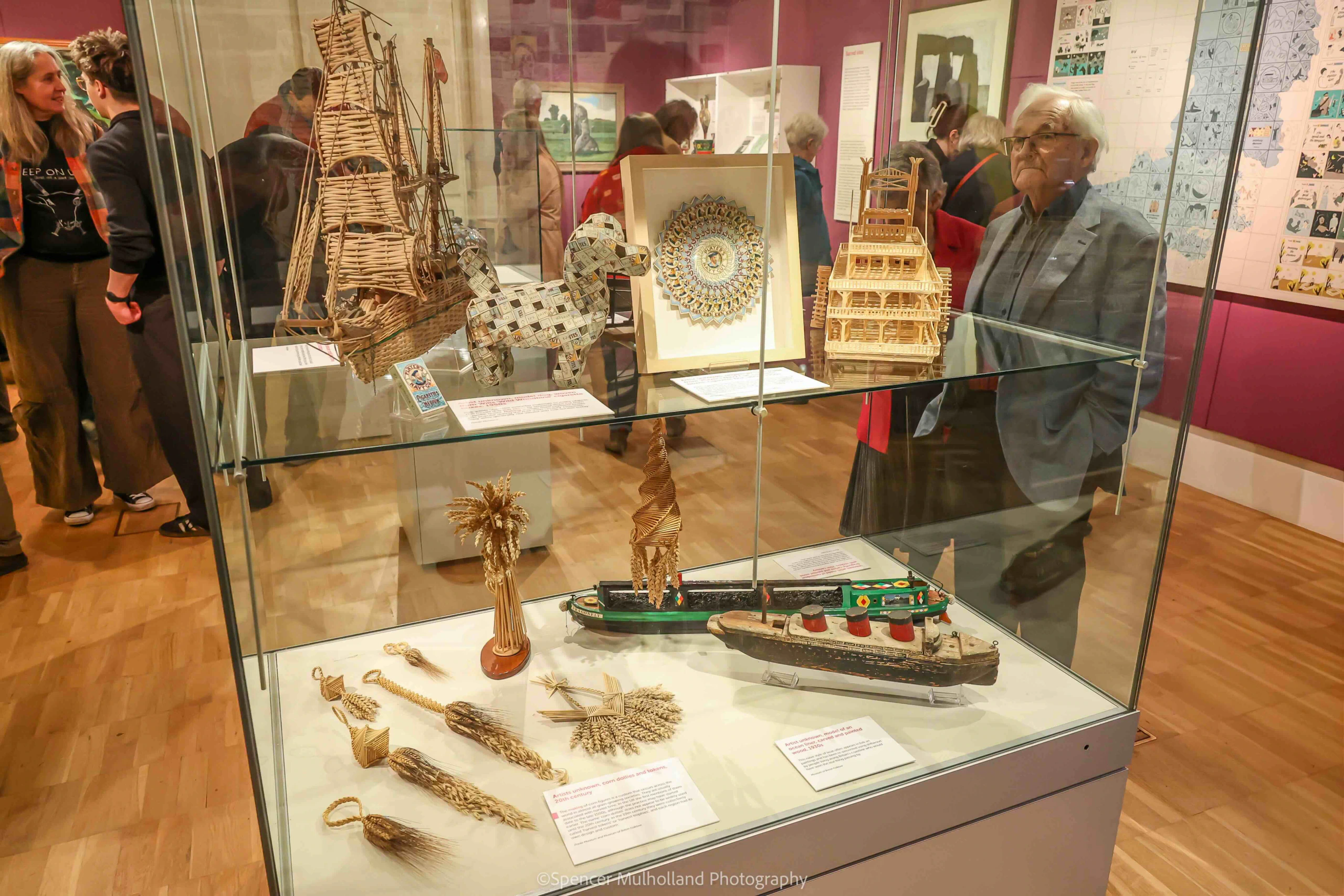
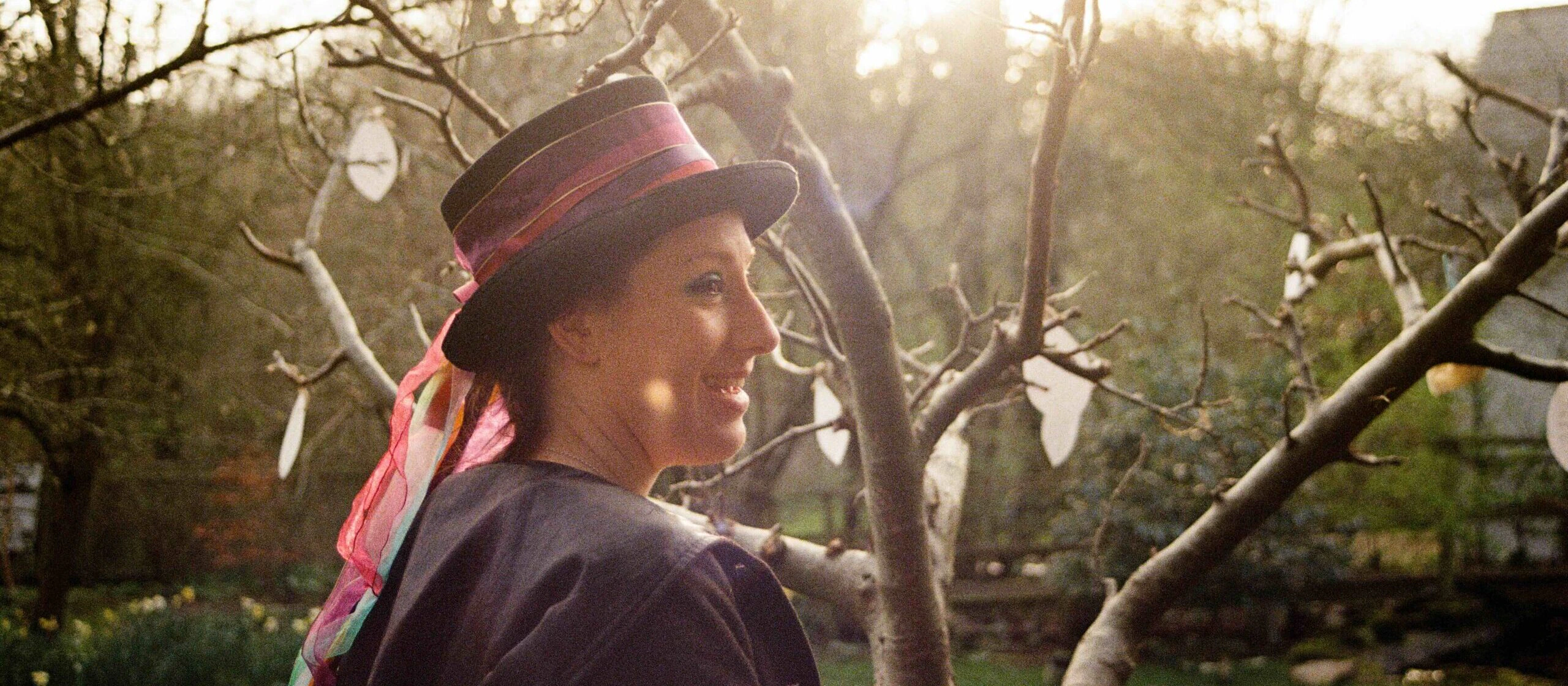
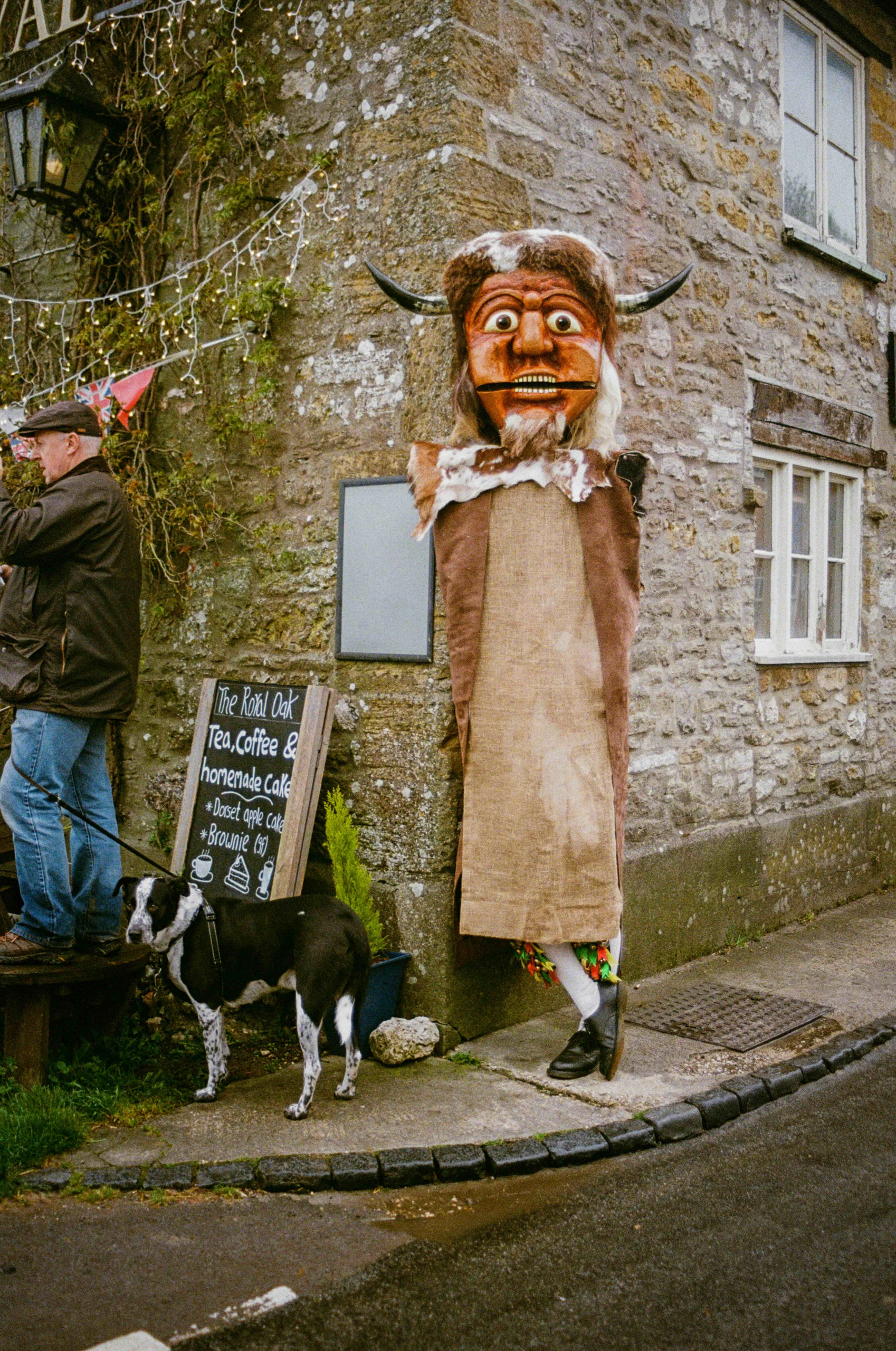
Excellent films in the exhibition by film and digital storytelling company Create Studios explore five customs or festivals that are alive and kicking in the region, including wassailing, Morris dancing and Diwali celebrations.
These films highlight how living folk culture is process oriented. It is the making and sharing of food, rituals, music and stories that is key, not simply the creation of a marketable or collectable product.
Advertisement
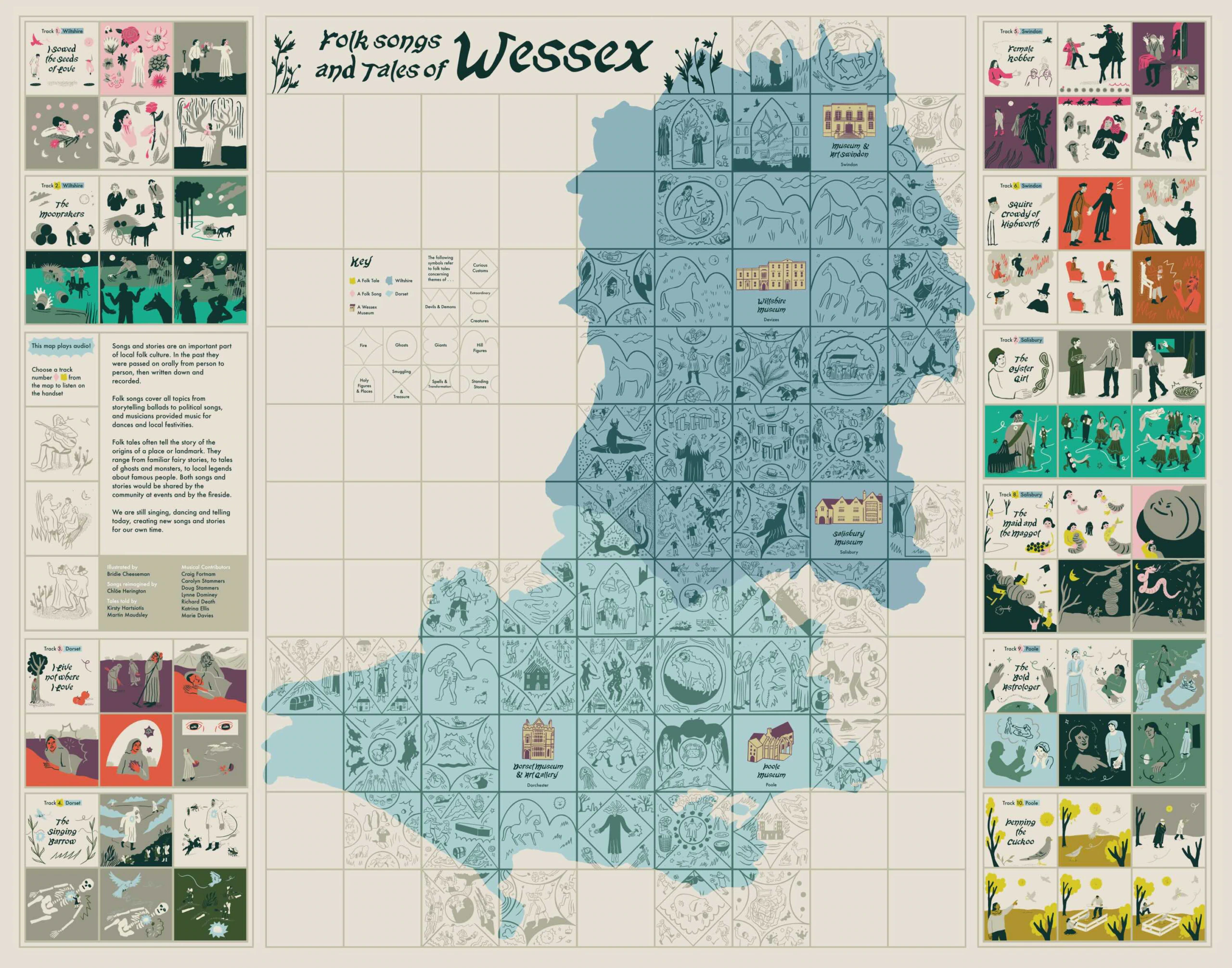
These traditions are brought to life by an interactive map of the region designed by illustrator Bridie Cheeseman. Here, visitors can listen to songs, such as The Bold Astrologer – a ballad collected in Poole Workhouse in 1906 and reimagined by the musician Chloe Herrington. Similarly, classic folk tales such as The Maid and the Maggot, and The Singing Barrow, are retold by storytellers. This map was popular when I visited, and all these resources are available online via QR code.
Modern folklore
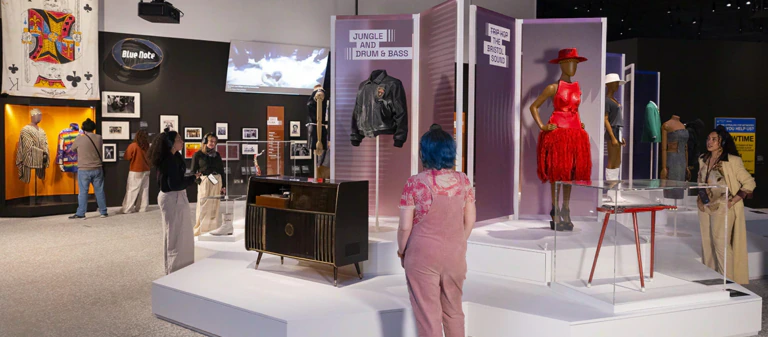
The multimedia elements balance the exhibition’s central interest, which is 19th- and early 20th-century folk art. Corn dollies, harvest tokens, canalware (painted pots and pans often used on narrow boats) and ships in bottles, are displayed alongside contemporary pieces such as customised skateboards and painted Warhammer figures, the latter highlighting how folk creativity engages with and adapts globalising trends and influences.
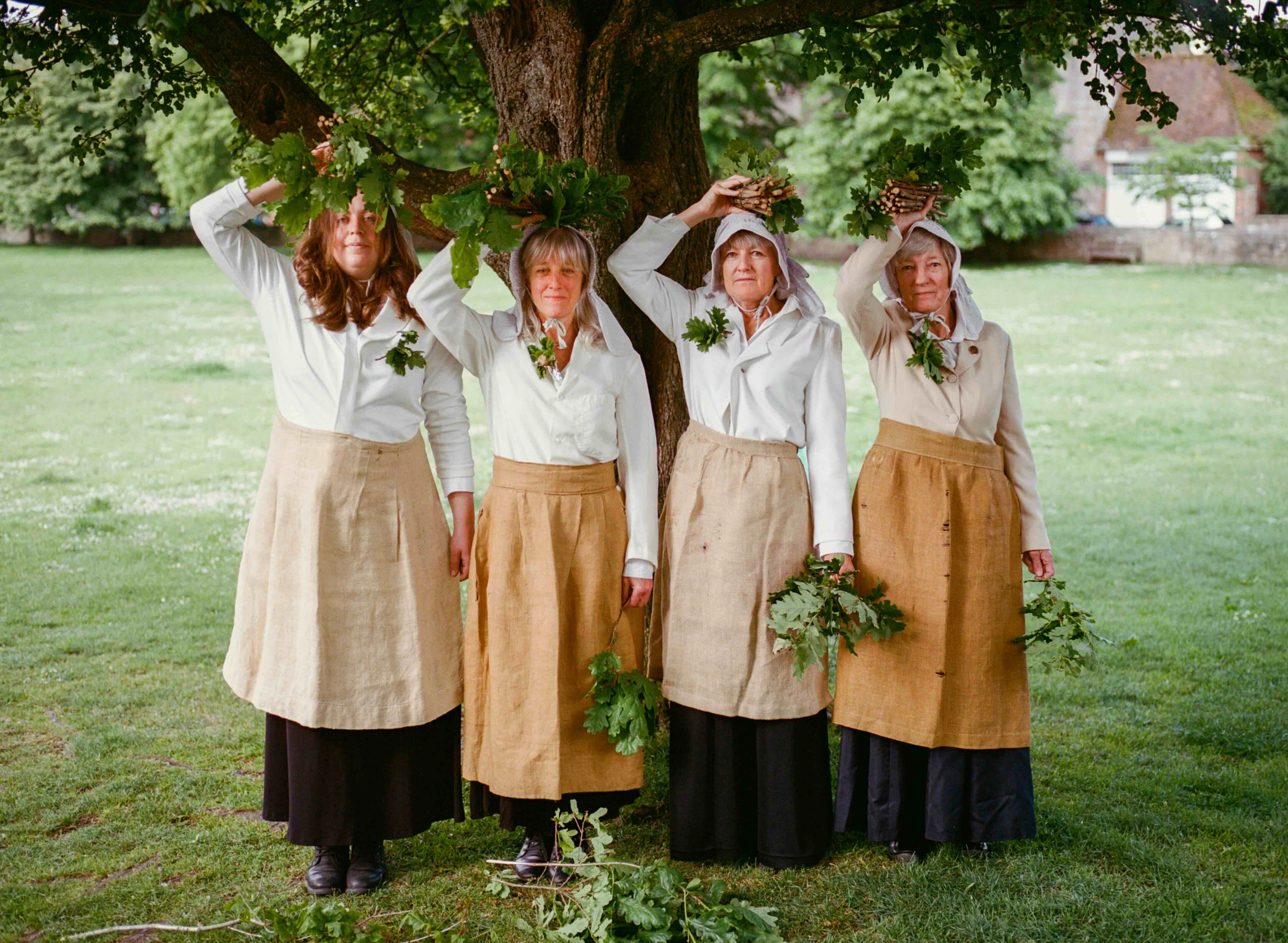
One of the first interpretation panels in the exhibition introduces Great Wishford’s Oak Apple Day. In 1603, a charter granted rights to the villagers of Wishford to collect wood free of charge from the Royal Forest of Grovely. When these rights were revoked in 1807, popular protests broke out.
A fascinating film about the Oak Apple Day procession was supplemented with objects and printed material. A minor issue for me, however, was that these items were too dispersed, often in different cases, and on different walls, which broke up the narrative.
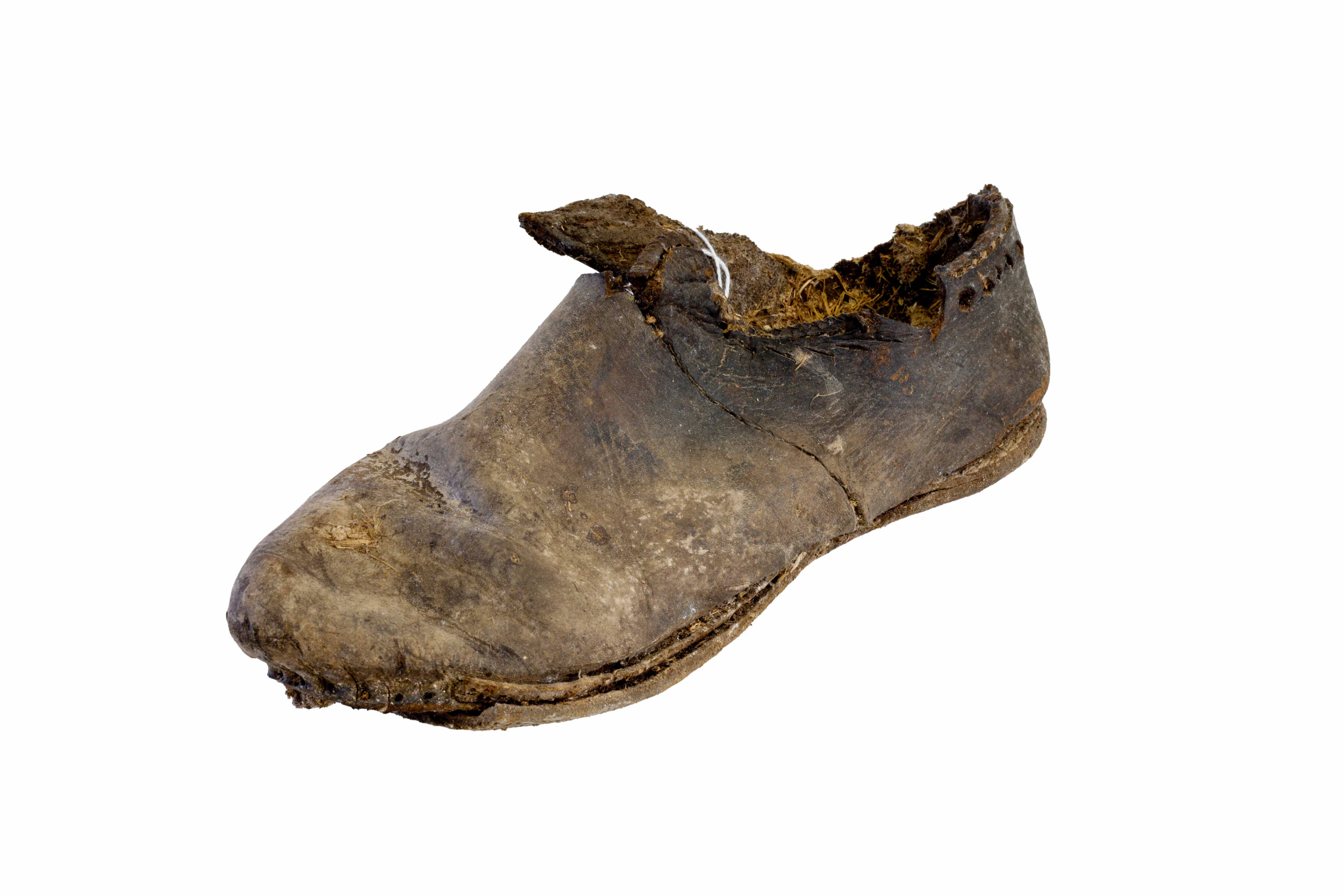
Similarly, an interpretation panel about apotropaic objects (a collection of concealed shoes that used to protect the home from evil influences), was so far away from the actual items that their impact was lost.
Advertisement
Community spirit
One of the successes of the exhibition has been the wraparound programming. Credit is due here to the outstanding work of the collections and education teams at the host institutions, as well as Wessex Museums, a network that promotes partnership work.
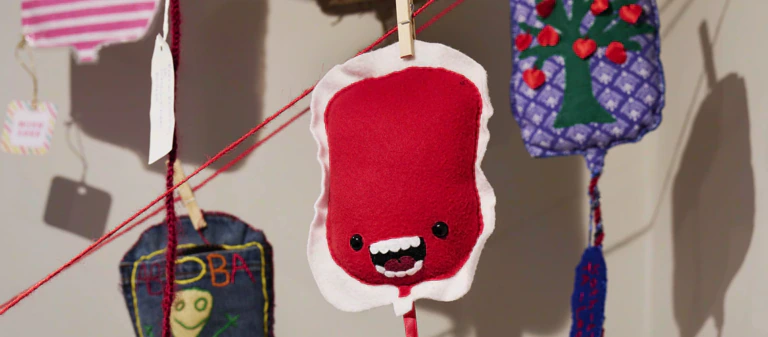
For instance, Wiltshire Museum connected with a Nepali women’s craft group and a basket weaver to create traditional Nanglo baskets; Swindon and Poole Museums worked with community groups to produce new works; and Salisbury Museum worked with 28 English for Speakers of Other Languages students on the topic “what is folk?”.
Some of these pieces have been accessioned in host collections. Even local museums that did not host Un/Common People were involved: the South West Dorset Multicultural Network examined a number of “folk artefacts” from Dorset Museum and Art Gallery, and produced creative responses that have been on display there.
Folklore provides an important perspective on Britain’s past and present, and can offer a platform for engaging with many complex histories that shape our communities today.
Processions, customs, performance of dance, song and storytelling traditions all create participatory cultures that sustain community identity and local pride. Displaying such traditions in a museum can help legitimise the culture and customs of the people, the folk, a culture that has too often been disparaged and overlooked.
Happily, since 2024, the government has committed to listing and safeguarding the UK’s “intangible cultural heritage”, meaning that interest and engagement with folklore or “living heritage”, such as the traditions in this exhibition, are set to continue. This is welcome, because one of the most important qualities of folklore is the social interaction and sense of connectedness and wellbeing it brings to communities.
Back to earth
In one of the films made for Un/Common People, the leader of the Wessex Morris Men reflected on his troupe’s annual vigil on a Dorset hillside where they wait for sunrise on May Day, a pint of ale in-hand. “When you’re in your box [coffin],” he said, “you’re not going ‘oh remember all those hours I spent watching the telly’… you’re going to remember moments like that, on the hill … it sort of pulls you back to earth a little bit, it’s getting back to nature, to real things, what really matters.”
Peter Hewitt is the founder of the Folklore Museums Network and intangible cultural heritage project coordinator at Museums Galleries Scotland
Project data
Cost
£137,000, which included the touring exhibition and associated community engagement projects across each location
Main funders
National Lottery Heritage Fund; Arts Council England; Adrian Swire Charitable Trust
Exhibition curation
Simon Costin and Mellany Robinson, Museum of British Folklore; Amy De La Haye, Centre for Fashion Curation, London College of Fashion, University of the Arts London
Exhibition design
Simon Costin, Museum of British Folklore
Graphic design
Paul Warrington, The Cutting Edge
Graphic production
One Vision Signs
Film and photography
Create Studios, Swindon (director Gurch Singh; production manager Kiara Wakeley; editor CaltUn Amer; photographer Tom Arthur; production assistants Faraz Falahi and Charlie McCrae; sound Jacob Leightield; DoP James Willmott)
Folk song and story map illustrator
Bridie Cheeseman; musician Chlöe Herington; storytellers Kirsty Hartsiotis and Martin Maudsley
Musical contributors
Marie Davies, Richard Death; Lynne Dominey, Katrina Ellis, Craig Fortnam, Carolyn Stammers, Doug Stammers
Consultants
Kate Brooks, fundraising; Harriet Still, exhibition-scoping
Exhibition ended
10 May; see website for legacy digital assets at wessexmuseums.org.uk/our-work/exhibitions-events/un-common-people
Admission
Free entry for Museums Association members