Walter Bobbett, who was employed for more than 60 years by Clarks shoes, wrote this of the shoemaking processes he was involved in:
skive the stiffeners
take down the sole
hole’m
tack’m on the last
last the uppers
make the threads
sew’m
turn’m out
up on last again
put’m in colour
iron’em up
buff’m
sand’m or black-bottom’m
polish’m
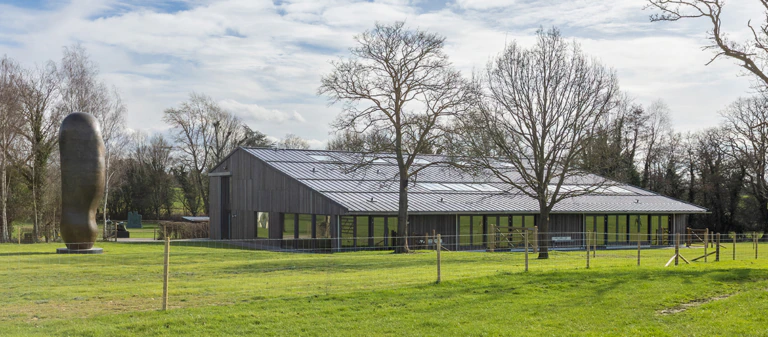
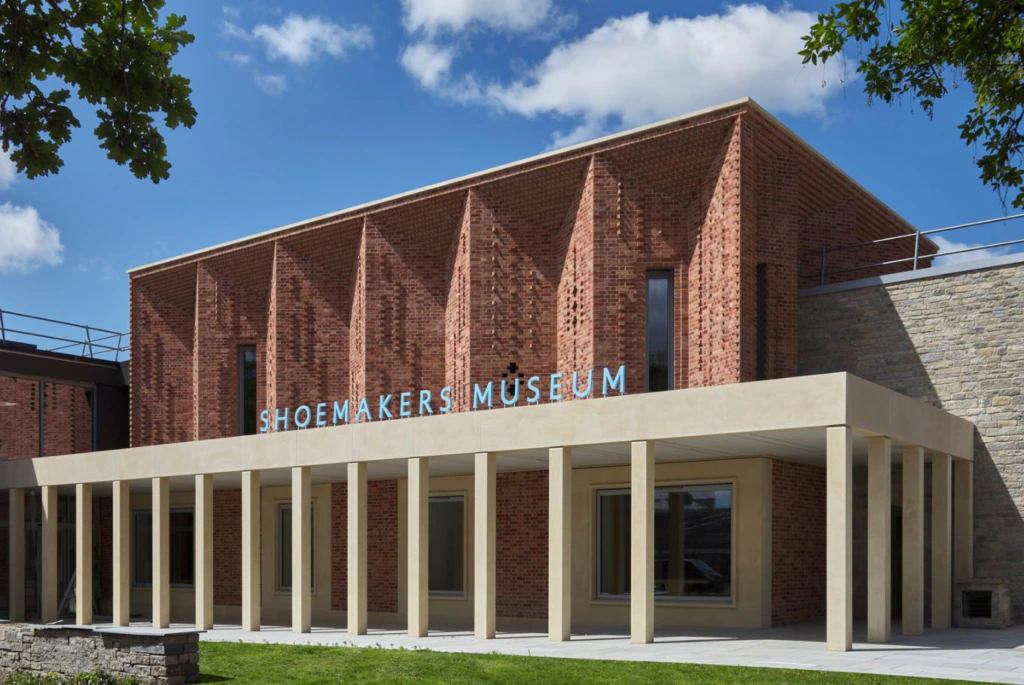
These words, displayed on a panel in the Shoemakers Museum, were one of the ways that brought alive the people who worked in the shoe trade. The museum tells the story of shoemaking by the firm of Clarks from its origin in 1825 to the present day. The museum, which is adjacent to Clarks Shopping Village in the Somerset town of Street, occupies a striking new building linking a 17th-century barn and an 18th-century house.
Quaker roots
Three galleries tell the story of shoemaking in Street, the first setting the scene of how the once small rural village became a centre of industry when shoemaking was established. Founded by the Quaker Clark family, the firm originally produced a range of sheepskin-based products, no doubt sourcing their materials from local farms. This soon developed into shoemaking.
Advertisement
Quaker principles underscored developments in the town, with houses being built for the workers as well as schools and community facilities. At one time, power from the factory even heated the town’s swimming pool and lit streetlights.
This gallery also tells the story of the involvement of the Clark family in the women’s suffrage movement and the campaign for the prosecution of Jamaica’s Governor General, who had violently put down a slave rebellion in 1865. The latter is illustrated by the campaign autograph album.
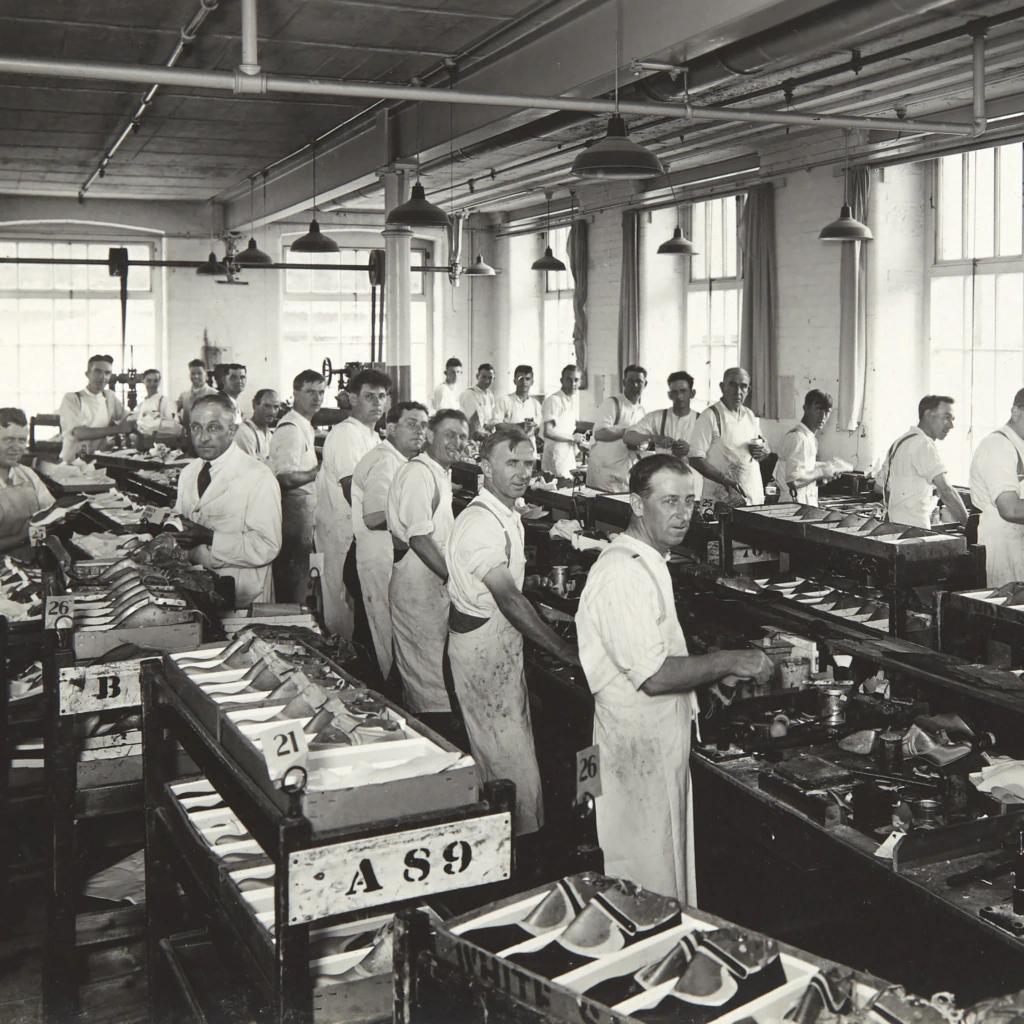
The second gallery takes visitors into the world of shoemaking, showing the process from cutting out to finishing. Displays include examples of the machinery that would have been used. Photographs show workers in the Street factory and at other UK locations that opened after the second world war.
The shoemaking story is amplified by interviews, with former workers talking frankly about the highlights and the dangers of working for Clarks.
From the 1970s onwards these factories closed and shoemaking was moved to minimise labour costs, initially to other European countries and then to Asia where the production of Clarks shoes is centred today.
Advertisement
The reasons for this and its human impact is brought home by a staff member who visited Vietnam in the 1990s. Despite all shoes being hand-stitched in the Vietnam factory, he recalled it was producing them at a lower cost than had been possible in the UK. “There must have been 150 people, and they made 1,000 pairs a day. Whereas with us, there were 12 and we used to make 1,000 pairs a day.”
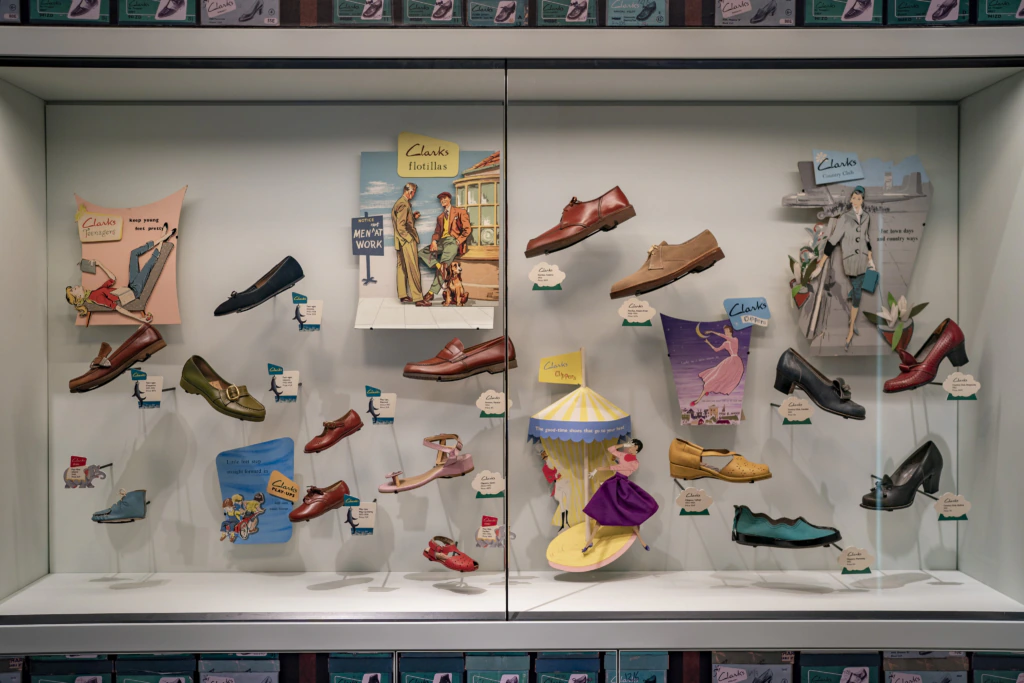
Moving to the third gallery via lift or stairs, visitors are taken into the world of buying and selling. Here, several walls are given over to a splendid display of posters produced to sell Clarks shoes from the Victorian era to the 21st century. Many of these were designed by leading artists, but the only person mentioned by name is Edward McKnight Kauffer.
A large screen also shows a selection of television and cinema advertisements which, as well as being informative, were entertaining in themselves.
Best foot forward
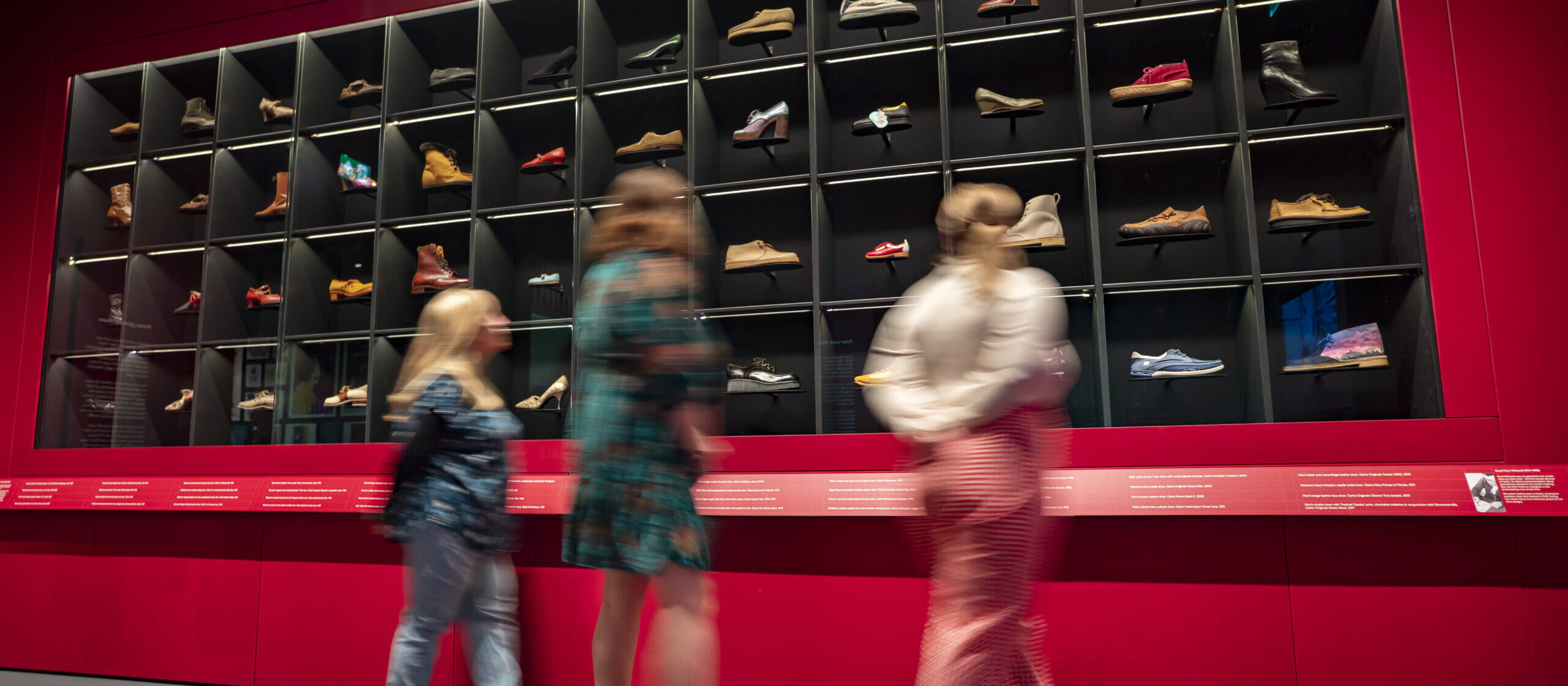
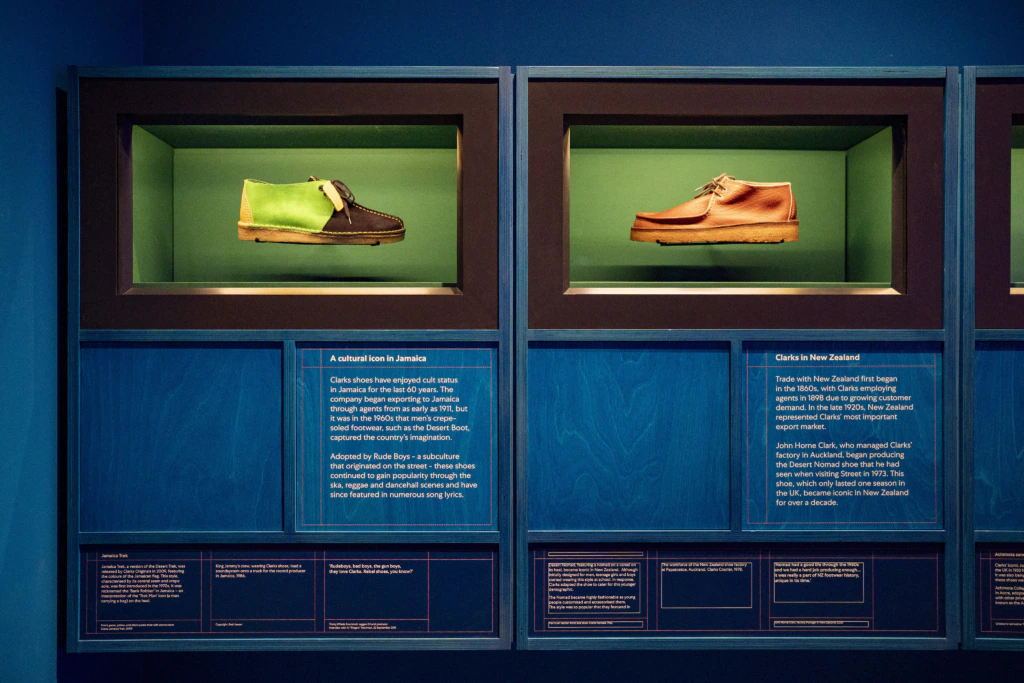
On one wall there is a display of many of the styles of slippers, shoes and boots made by Clarks. Other markets are acknowledged, too, by for instance a child’s sandal made by the Happy Shoe Company of Ghana and the adaptation of the desert boot for the Jamaican market, celebrated by the Rude Boys in the world of ska and reggae.
There are hands-on opportunities to experience the craft of shoemaking by working out the most efficient way to cut out leather for a shoe, for example, or to put together a “harlequin” boot. Visitors can also “clock-on”, taking their record card with them. I wonder if this could have been at the entrance to the gallery so that visitors could time their length of stay.
Advertisement
There is also a space that exactly recreates a Clarks shop, with displays of shoes, foot measurers and clothes so that children can play at being salespeople.
The fourth gallery is in the barn building, rather tucked away along a corridor. Here, space is given over to the fossil collection, which was amassed by Alfred Gillett, a member of the Clark family, and members of the Somerset Archaeological Society. Having been in store for many years it’s only right that some of the collection is on display – other items can be seen in London’s Natural History Museum and in collections in Oxford and Cambridge.
When I visited there was a small temporary exhibition in one of the rooms in the main house. A Celebration of Demonstration, featuring the work of the photographer and activist Wayne Campbell, powerfully illustrated the feelings of demonstrators in London after the murder of George Floyd in Minneapolis in 2020. Organised in partnership with the Somerset African Caribbean Network for Black History Month, this exhibition complemented the Quaker ethos of the origins of the Clarks business.
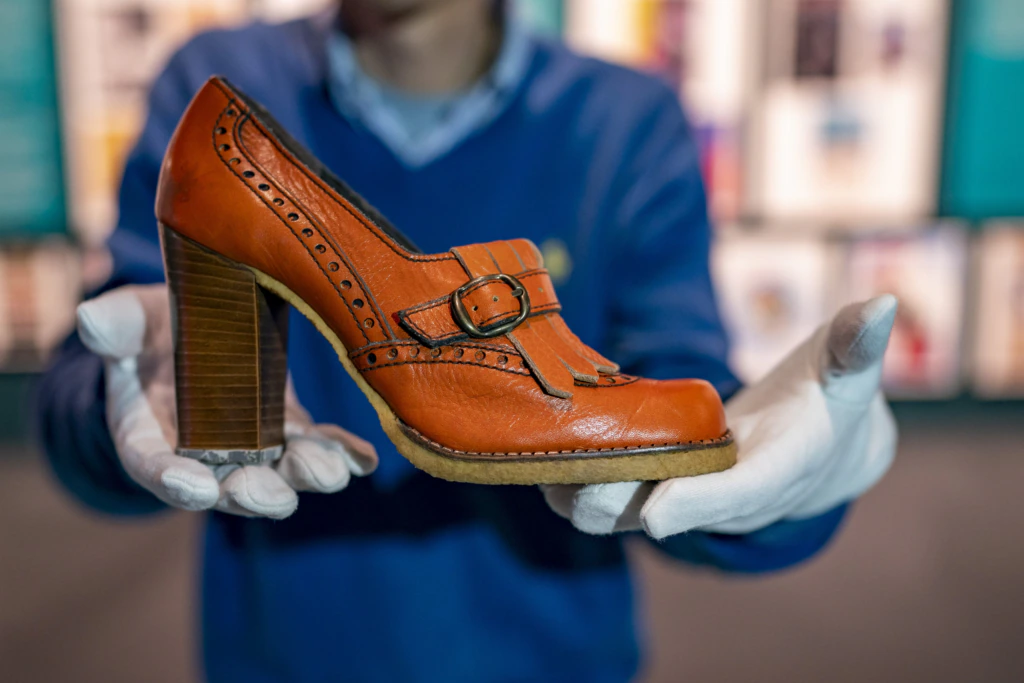
Behind the scenes, an extensive collection details the history of Clarks, the personal histories of members of the Clark family and the development of the town of Street. As well as being open to researchers, this collection will provide opportunities for additions or changes to be made to the displays in the public galleries.
The Shoemakers Museum is focused entirely on the story of Clarks. This is understandable given the available material that has been collected and preserved by the Alfred Gillett Trust, which is the driving force behind this new facility. But, excellent as the museum is, I do wonder whether it could benefit from an additional display, however small, telling the wider story of how Clarks fits into the history of shoemaking, from its medieval origins to the context in which it sits in today’s world.
Peter Mason is a retired arts administrator, author and local historian
Project data
Cost
£6.9m
Main funders
London Embroidery Studio; JAC Trust; Medlock Charitable Trust; Nathan M Clark Foundation; Roger and Sarah Bancroft Clark Foundation; Worshipful Company of Cordwainers; P and M Lovell Charitable Trust; Garfield Weston Foundation; Street Parish Council; Rural England Prosperity Fund
Collections
Alfred Gillett Trust
Architect
Purcell Architecture
Exhibition design
Nissen Richards Studio
Basebuild QS
Currie and Brown
Museum QS
Greenway Associates
Construction
Rigg Construction
Stonework
Vobster
Museum fit-out
Realm Projects
Audio and film
Street Film
Shop interior
Resolution Interiors
Admission
Adult, £10; Seniors, 66-plus, £8; 5-16 year-olds, £5