What makes our institutions unique are the objects they contain and hold. How we work with those varies, and this practical textbook, published by UCL (open access), takes the reader on a journey to think about the objects in different ways, and to consider if we are telling rich stories and diverse perspectives.
The book begins by giving different types of readers (students, educators and others) ideas on what they could get from the work. This is a useful way to open the publication, and gave me some expectations of how I could use this text.
As a museum educator, I dived into the book with the hope of gaining new insights into using objects with my school groups, but finished it with a deeper overview of the sector, its history and the role of objects within museums historically and now.
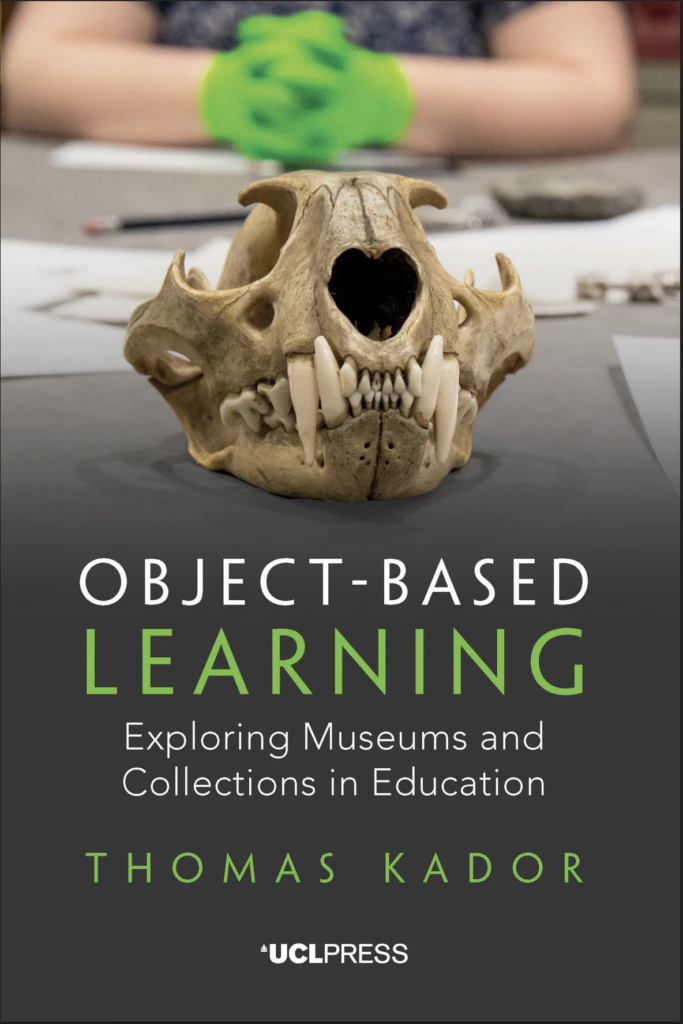
ISBN 978-178-7354302
I’d have liked more references to engage different audiences with objects, including children and young adults. But although it is extensive, this book can’t cover everything.
Author Thomas Kador starts by introducing the history of museums and collecting, and works through a range of topical themes such as colonisation, climate and the digital world.
Advertisement
You can work through it as you would a course module, or you can dip into the segments that cover where you want to build your experience.
Each chapter opens with an overview of what the reader will find within that segment and what the take-aways will be. The work is detailed and pacey, with opportunities to explore, experiment and test out theories and ideas through suggested activities.
I especially liked using the activities when thinking about the collections I work with. I thought about how I would use these ideas with my groups, particularly what deeper stories I’m not telling. The practical exercises really work in demonstrating Kador’s ideas.
The text illustrates points using case studies from University College London’s collections, helping the reader to absorb the themes of the chapters with up-to-date examples. There are frequent references to further reading, and these are summarised, perfect for focused study. The text is also supported by images of collections and easy-to-follow diagrams.
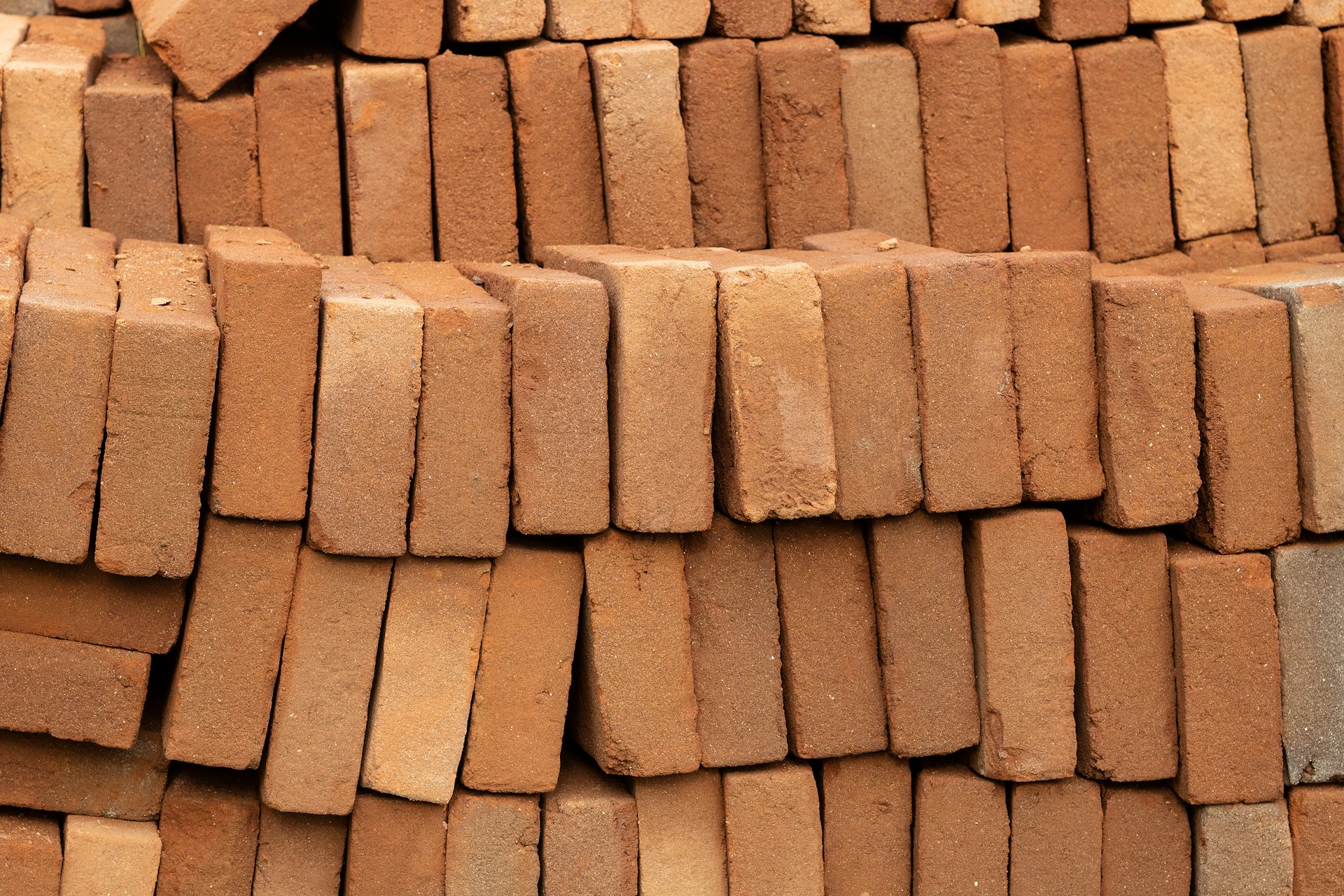
I particularly enjoyed thinking about bricks – a sentence I didn't expect I'd ever write. Kador gets the reader to consider an object and its history back to being purely a material. For example, is a building brick an object or material? It was a material, but becomes a solid rectangular object. It then becomes one of a large mass of the same objects that becomes a new object, a building, and so becomes the material that the larger object is made from.
Confused? I was, but it made me think about the stories I’m not delving deeper into from the collection that I work with.
Advertisement
For example, the large stone grave markers from Hadrian’s Wall that I talk to my groups about could tell a different story than simply that of the person depicted. We could think about the geology of that area and how it was formed, or stretch it further and think about the other people who were involved with quarrying, carrying, building and carving that material.
This book takes the reader on a journey from defining museums through to their history – from object collecting and interpreting to exhibiting. All of these sections weave in those bigger themes of decolonisation, climate and technology.
It is comprehensive and covers a lot in its 347 pages. The layout and opportunities to engage help the reader to absorb the discussion and put it into practice. I can see this text being invaluable to students or early career professionals, or even being a format to base a university module around.
The book aimed to get us reading material things and exploring them on a deeper level, and for me it did.
Right, I’m off to think about bricks.
Morgan Fail is the learning coordinator for history at the Great North Museum: Hancock, part of North East Museums