Podcast | The 'Perfect' Specimen, Natural History Museum
In a world where there is probably already a podcast for everything, finding an original format is a victory in itself.
The Natural History Museum’s (NHM) latest podcast experiment, The “Perfect” Specimen, feels surprisingly novel given its simplicity. Before each episode, the producers provide an adjective such as “incomplete”, “exuberant”, “fresh” or “noxious”, and the podcasters have to select two specimens each that match the description.
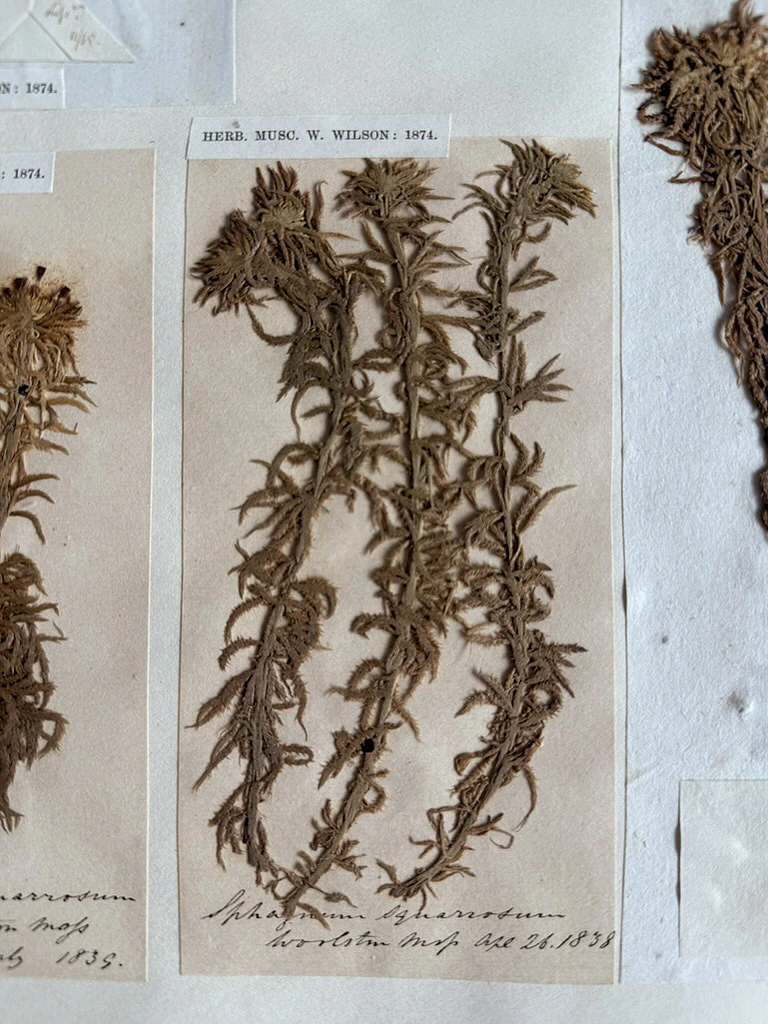
Hosted by zoologist Natalie Cooper, merit researcher at the museum, and science writer Josh Davis, the NHM’s digital news editor, the series offers a playful glimpse into the inner workings of the museum as well as the surprising wonders of the natural world.
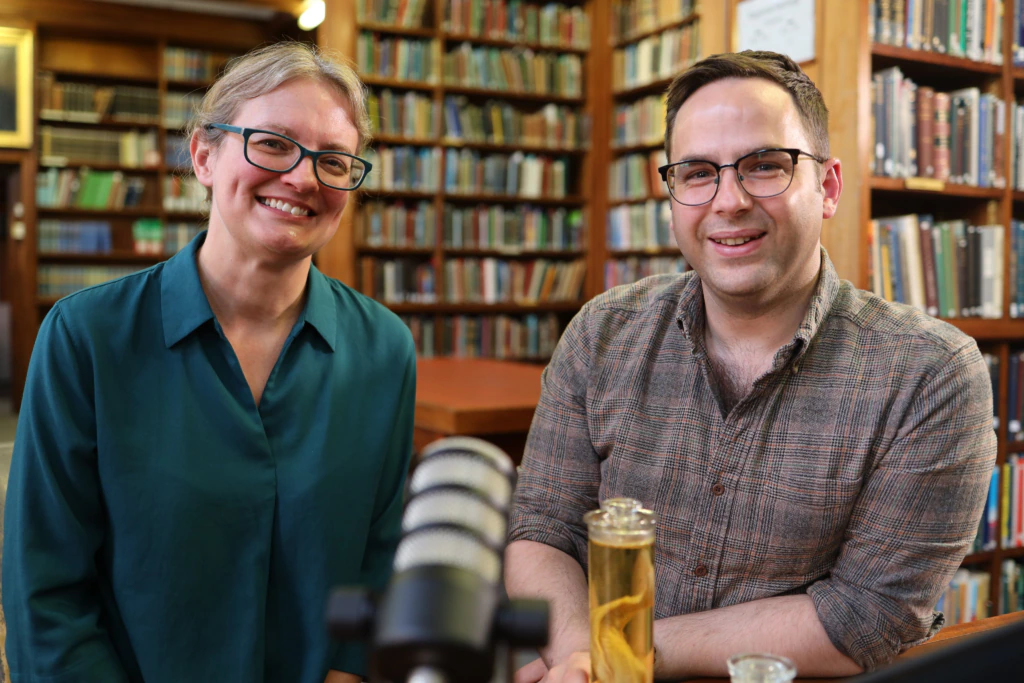
Both Cooper and Davis wear their expertise lightly, interspersing rich scientific detail with unexpected facts, and relating their specimens to pop culture or recent news stories to bring them to life.
Advertisement
The first episode addresses the title directly as they seek out the “perfect” specimen. At first, this seems a bit too straightforward, but their choices provide a great introduction to the concept, as well as an insight into some of the practical and political challenges that certain objects pose.
The theme of episode six, “incomplete”, somehow led the conversation to an image of a praying mantis in 3D glasses and an explanation of sexual cannibalism (referring to situations where female mantises feed on the males during copulation).
I select these examples only to show that the theme really can lead anywhere. With access to a collection of 80 million objects – and hopefully a thesaurus – Cooper and Davis are unlikely to run out of material.
That said, the shifts between the specimens occasionally felt disjointed. I wondered if the format would work better with only one specimen shared per host, as the series seems better suited to 20 minutes per episode rather than 35. Still, the series as a whole is a reminder that amazing worlds can be opened up through tiny details.
Available on Spotify
App | The Holburne Museum on Bloomberg Connects
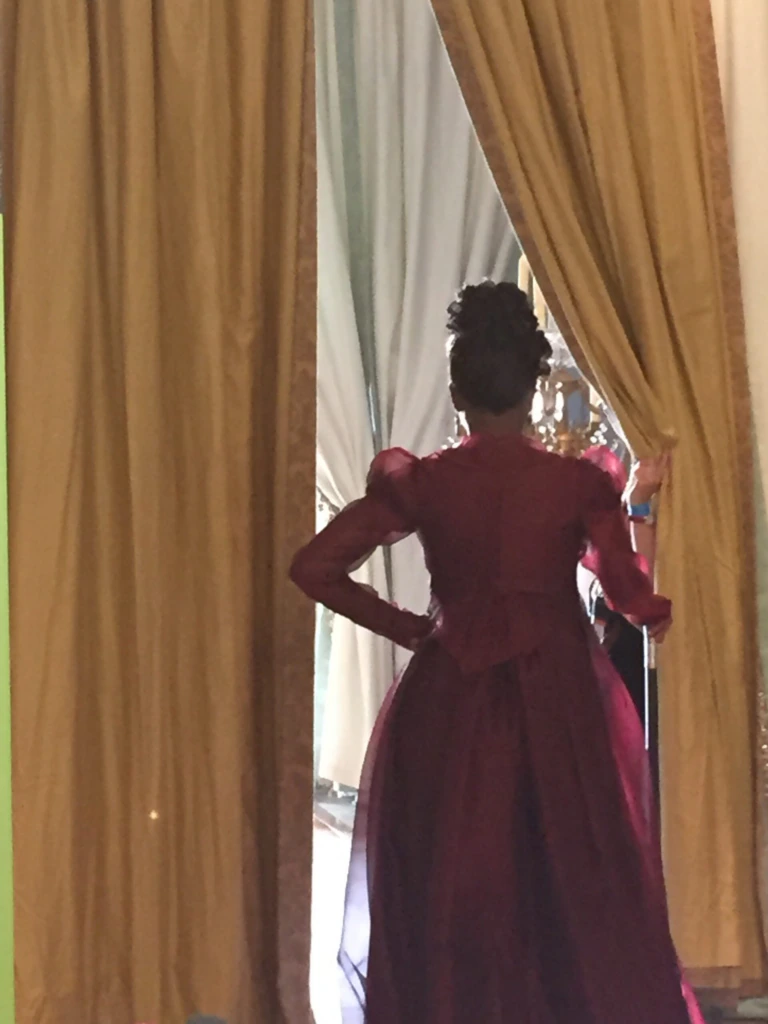
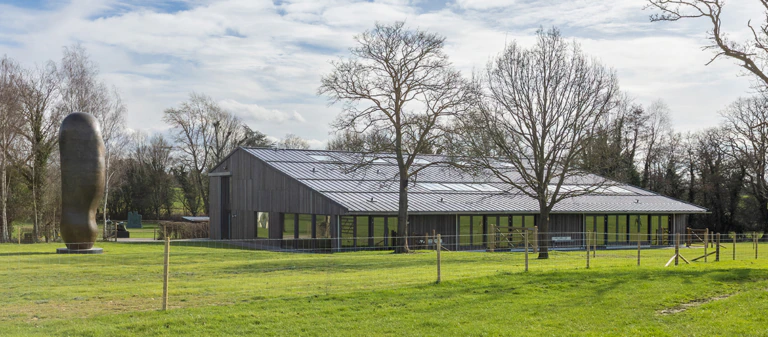
The Holburne Museum’s guided tours on the Bloomberg Connects app offer a fresh view of the museum’s collection. For different reasons, both the museum and the app are likely to stand the test of time.
Advertisement
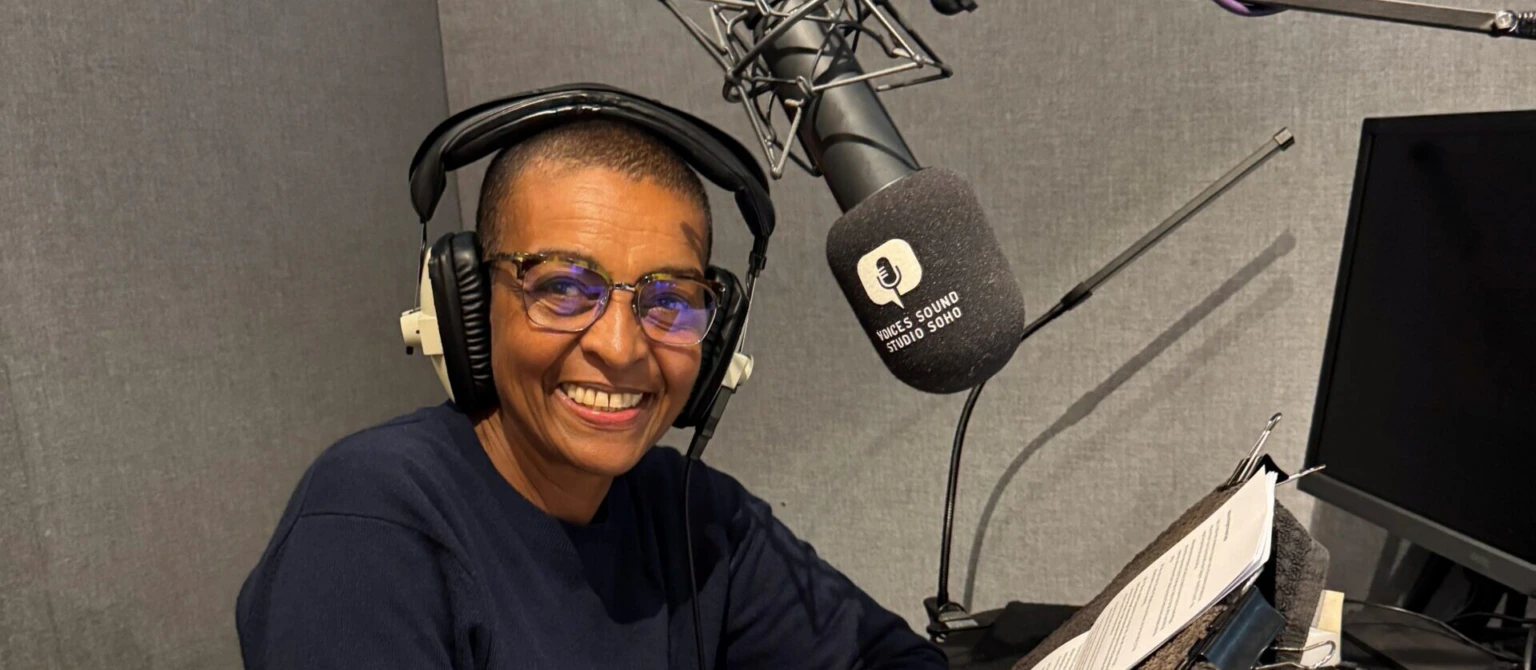
Not least, the latest audio tour features a celebrity collaboration set to bolster the location’s existing popularity among fans of Netflix series Bridgerton. The Grade I-listed building in Bath serves as the film location for Lady Danbury’s house, and now the museum has launched an audioguide voiced by Lady Danbury actor Adjoa Andoh. It’s a light introduction to Georgian Bath through 12 objects, although the reliance on still images doesn’t quite evoke life among the “ton”.
The Queer Holburne Trail, also hosted on the app and available online, uncovers hidden queer stories through an eclectic mix of artworks ranging from antiquity to the present day.
It’s a sensitively crafted editorial journey, balancing famous and lesser-known figures. The link between a 17th-century embroidered panel depicting Orpheus and the museum’s recent exhibition of 20th-century American artist Diedrick Brackens’ tapestries of queer African American identity was a nice touch.
Although it was originally created to coincide with Queer Bath in June 2025, the virtual trail is still available to visitors, meaning that more stories will hopefully be woven in over time.
Web app | DIY Warhol
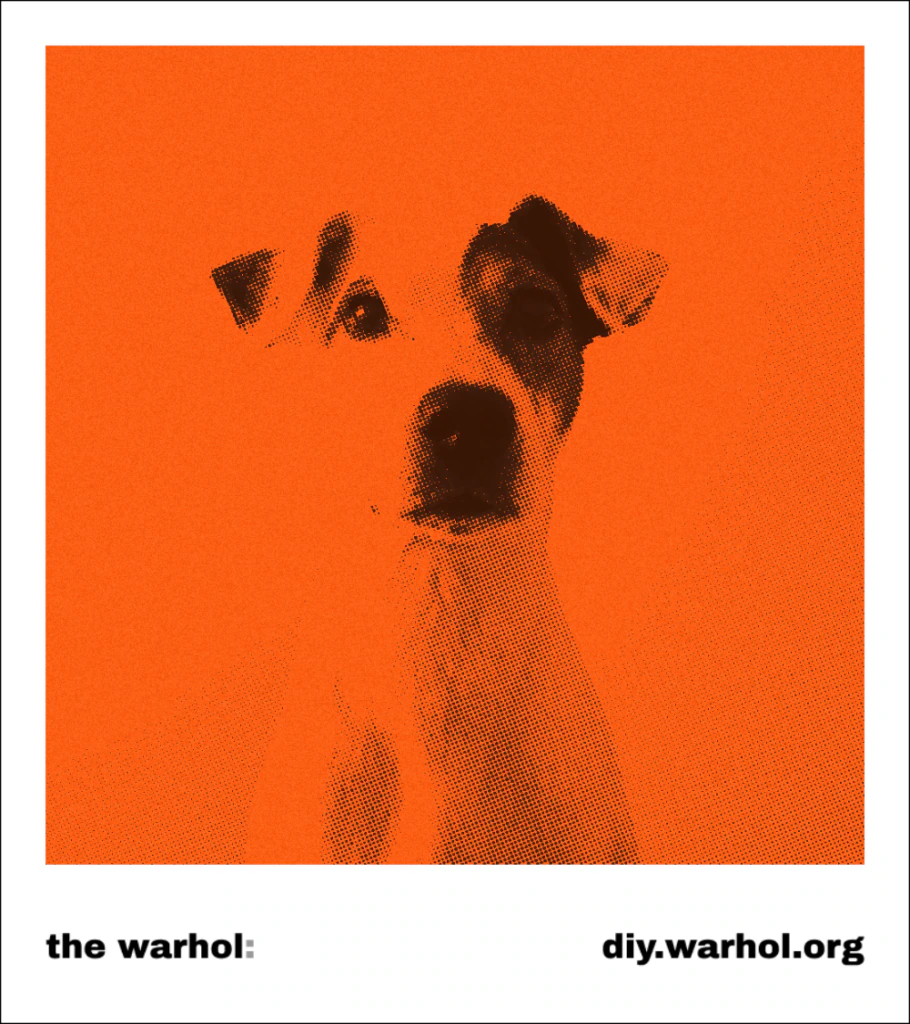
Pittsburgh’s Warhol Museum has (re)launched a free web app inviting users to create their own digital silk screenprints in the style of the prince of Pop Art.
Advertisement
It may seem odd at a point in a time of photo apps and AI. And surely anyone genuinely interested in screen-printing would opt to learn in real life?
The interactive app does provide a step-by-step guide through the technique though, and it somehow makes the process feel more hands-on than just moving your finger across a screen. If the aim is to pay homage to Warhol by blurring the line between handmade and machine-made art, I guess it does the job in a matter of minutes.
Yosola Olorunshola is a writer and researcher based in Paris