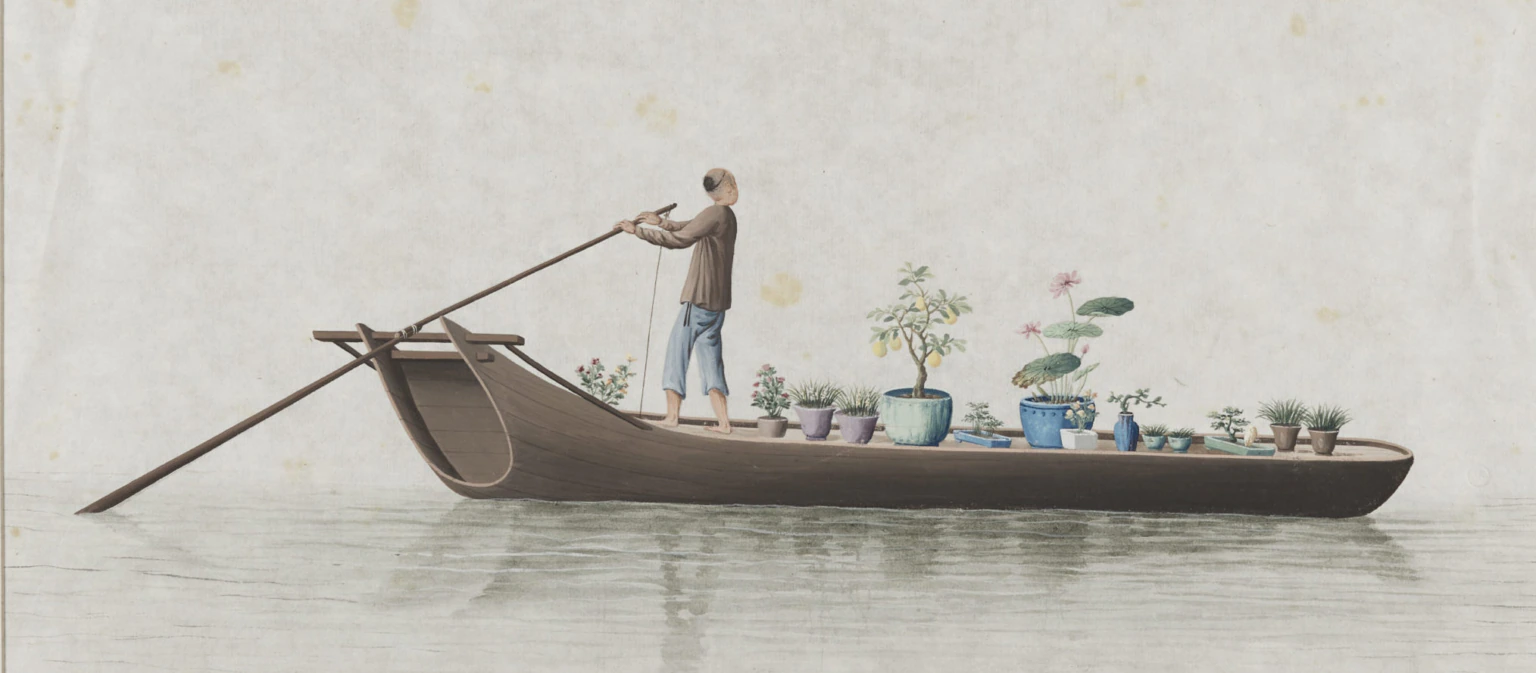
Website | Garden Museum, London
The Garden Museum’s revamped website is a welcoming and refreshing portal into everything the venue has to offer, whether you’re looking to plan a visit, browse its collection online, or learn more about garden history through its stories.
The simple, spacious design also leaves room to showcase vivid botanical art and photography.
There’s a nice mix of editorial formats, including photo-led pieces, Q&As, short blogs and extracts from exhibition catalogues.
The latter feels like a smart way to repurpose beautiful writing and give readers a deeper sense of what this London museum has to offer.
Online museum | Unesco Virtual Museum of Stolen Cultural Objects
The brazen, daylight robbery at the Louvre last October reminded the world that an old-fashioned art heist is not a thing of the past. Ironically, the scandal surrounding this cinematic-yet-mundane theft may have eclipsed the launch of Unesco’s Virtual Museum of Stolen Cultural Objects earlier that month.
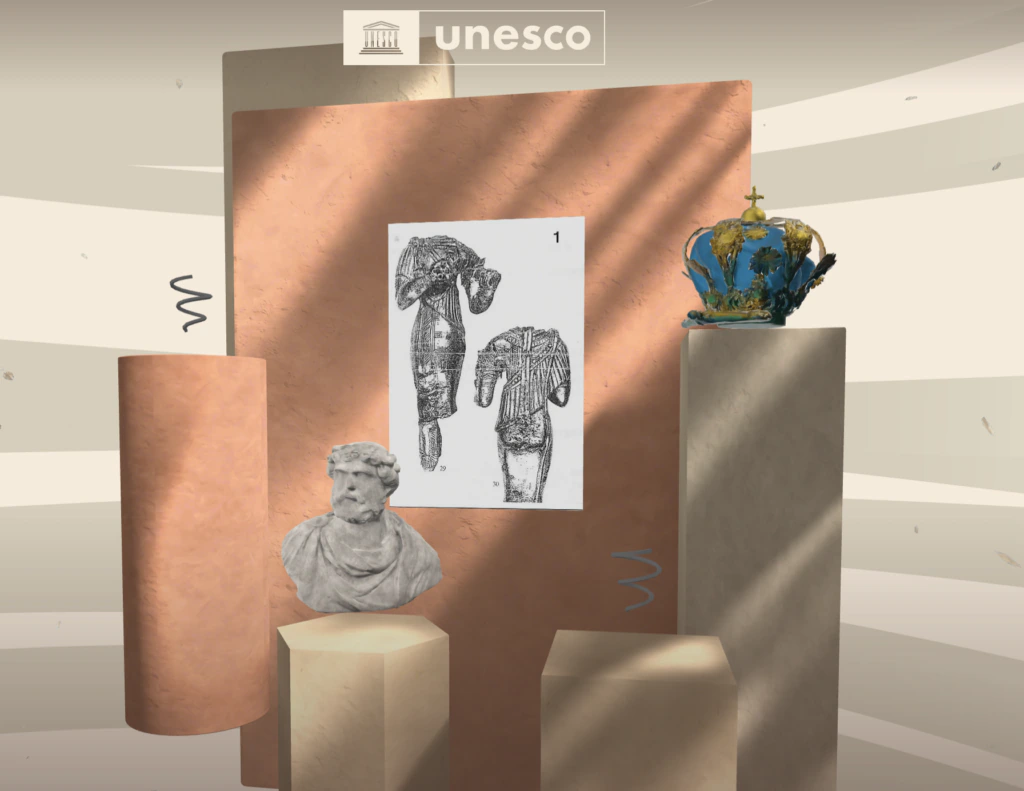
Designed by Pritzker Prize-winning architect Francis Kéré, Unesco’s new virtual museum intends to raise awareness of the illicit trafficking of cultural property.
Advertisement
The museum’s spiralling structure is inspired by the baobab tree, an iconic African tree used here to represent strong roots and resilience. The earthy colour palette of the interface reflects Kéré’s emphasis on sustainability and organic materials.
But beyond these compelling visual effects, an architectural style that feels so visionary in the physical world feels less integrated into this virtual space. The museum looks like Kéré’s handiwork, but its simplistic functionality (limited to scrolling and clicking between text and images) doesn’t quite feel like it.
A more important question is what exactly the museum considers to be a “stolen” object? Currently containing objects derived from Interpol’s Stolen Works of Art Database, the museum’s definition is based on the legal convention of stolen cultural property established by Unesco in 1970. This means that the museum, like the convention, does not explicitly cover objects looted in the colonial era as these thefts predate the convention.
Perhaps it’s unfair to point this out. Unesco never claimed its virtual museum would include colonial loot. But like discussions following the Louvre heist, this points to the unfinished ethical debates on what to do with different types of “stolen” art.
As an educational tool, Unesco’s Virtual Museum of Stolen Cultural Objects provides an insight into one specific definition of stolen art, but leaves more questions than answers on the kind of theft that implicates many leading museums.
Online museum | Museum of Digital Influence
Is the world ready for a Museum of Digital Influence (Modi)? Does the world need one? Like many things on the internet today, it’s too late to decide because, like it or not, it’s already here.
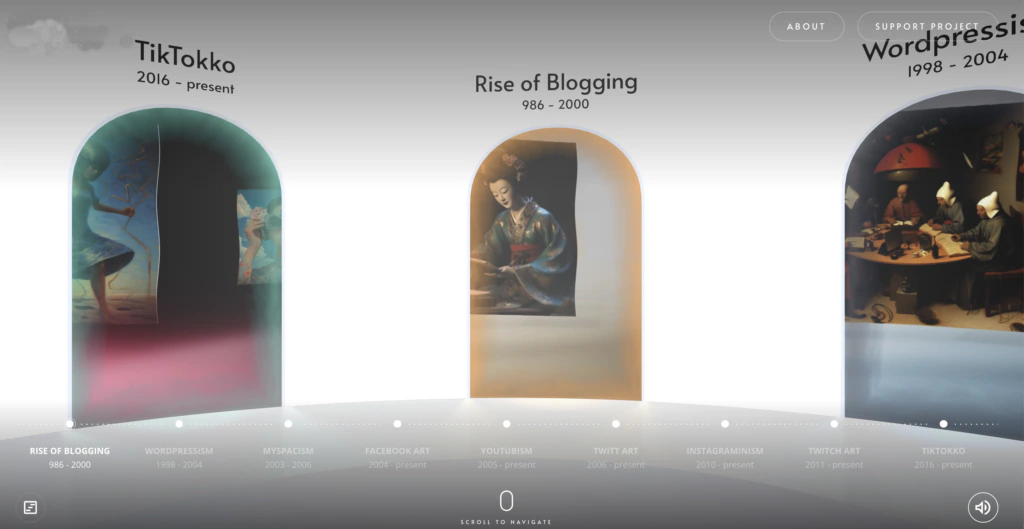
This new virtual museum traces the evolution of “digital influence” from the emergence of blogging to the TikTok era through a series of epochs with questionable titles such as “Wordpressism” and “TikTokko”.
Advertisement
Despite this clunky terminology, the Modi’s virtual timeline is a relatively smooth journey through the various cycles of online life, although it begins far earlier than the internet era.
The Pillow Book, the diary of Sei Shonagon – court lady to the Empress of Japan around the year 1000 – is cited as (potentially) “the first ever written blog about everything”. This is a stretch. But it is also a convenient way of moving beyond the dystopian-sounding emphasis on “digital influence” to explore the human urge for self-expression across the ages.
Within the virtual walls of the Modi, this urge could look like a 16th-century accountant creating the world’s first fashion book based on his personal style, or a 16-year-old posting a GRWM (Get Ready With Me) make-up tutorial.
Overall, there’s enough internet trivia in there that it feels thoughtfully curated, like a highlights reel of the human obsession with documenting our lives.
Yosola Olorunshola is a writer and researcher based in Paris


