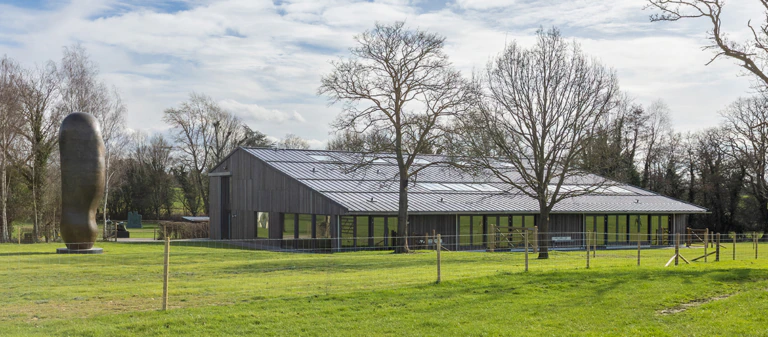
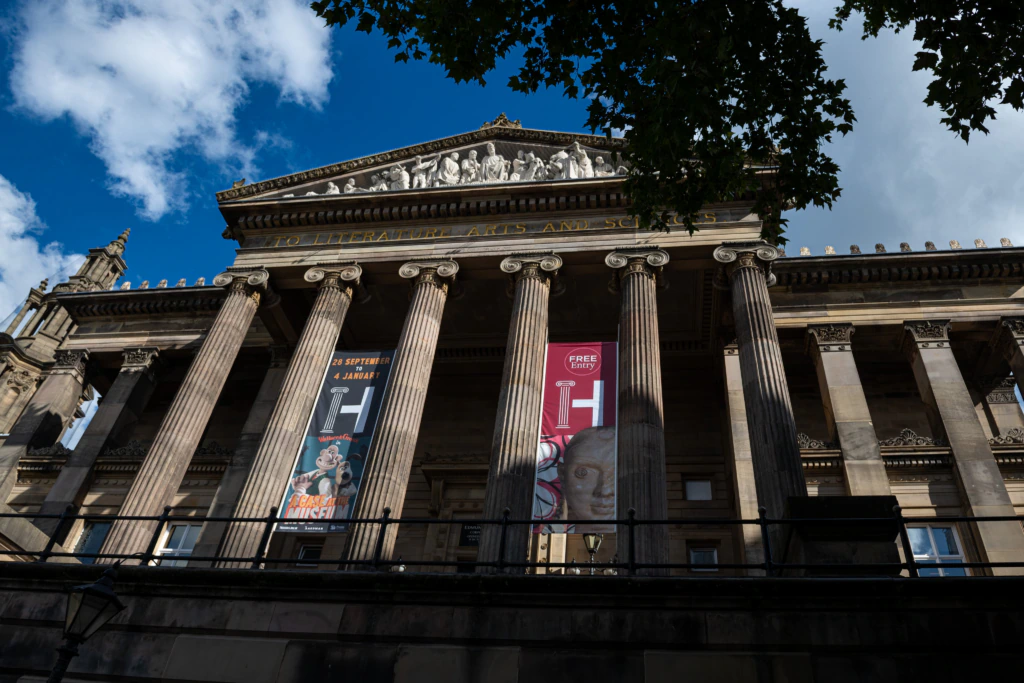
After more than six years of planning and a four-year closure, the Harris museum, art gallery and library in Preston has completed its £19m transformation and reopened to the public. A cornerstone of civic pride, the Grade I-listed building now buzzes with renewed energy.
On the outside, its formidable, freshly cleaned facade catches the light. Inside, The Harris has been reimagined as a blended cultural space, offering a new, seamless integration of the museum and art gallery, temporary exhibition space, library and community hub while preserving its architectural grandeur.
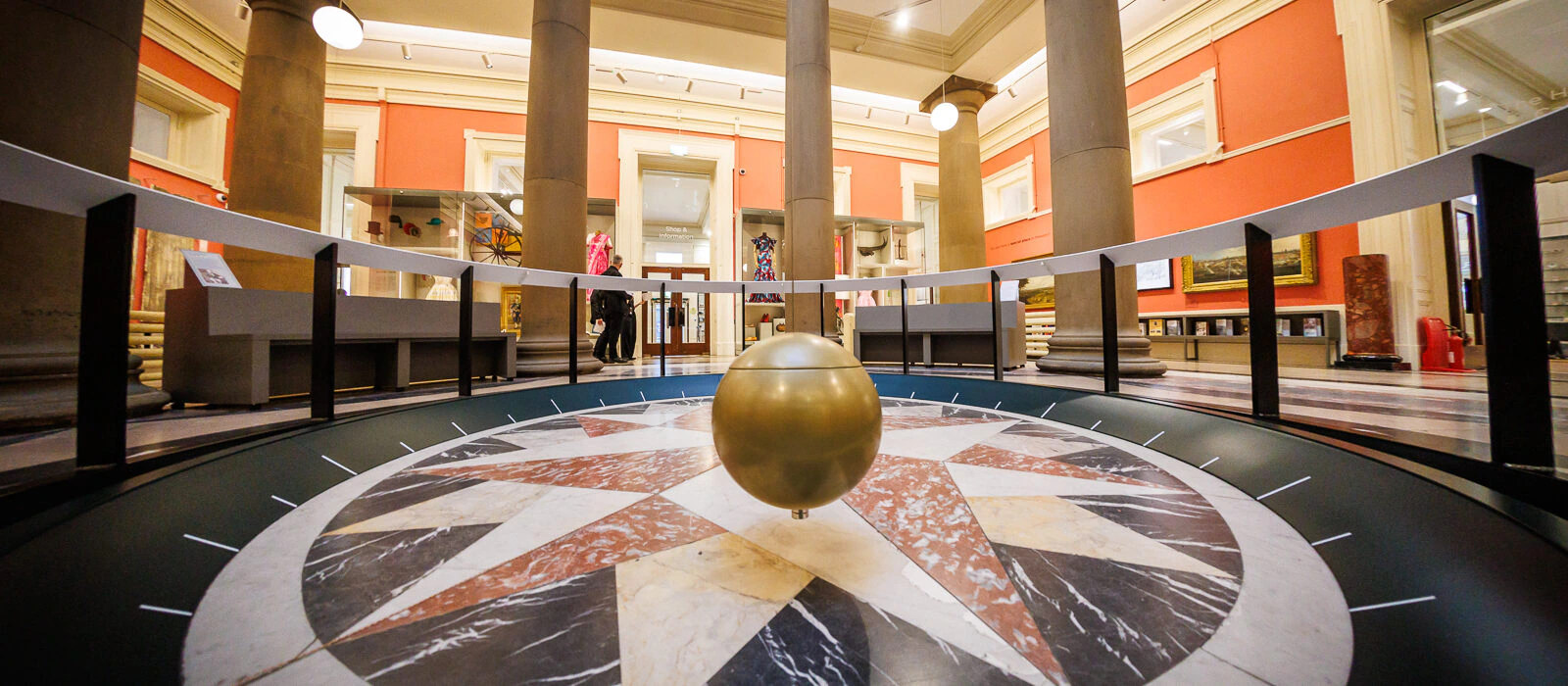
The Harris’s impressive Rotunda is a triumph; a light-filled space with comfortable seating that encourages visitors to linger, converse and contemplate. It seems to have been decluttered, opening up the space and drawing the eye to the glazed pyramid roof above.
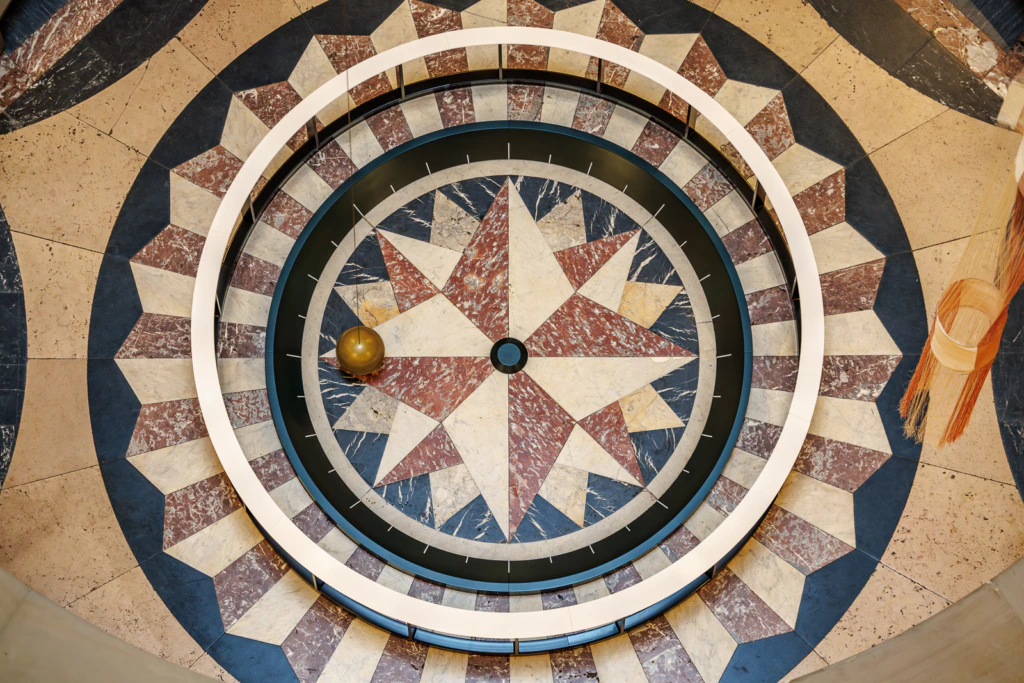
A firm favourite with regulars, the Foucault pendulum – previously to one side of the space – swings as the focal centrepiece of the Rotunda. This scientific marvel (see focus box, page 45) invites curiosity and wonder as it maps the rotation of the Earth beneath the pendulum.
Around the Rotunda’s edges, displays explore the evolving identity of the Harris, prompting questions such as “What does The Harris mean to you?” and inviting personal reflection.
Advertisement
The display cases dominating the walls contain curated displays of objects, finding connections between themes and places, and I overheard visitors making their own links to contemporary society.
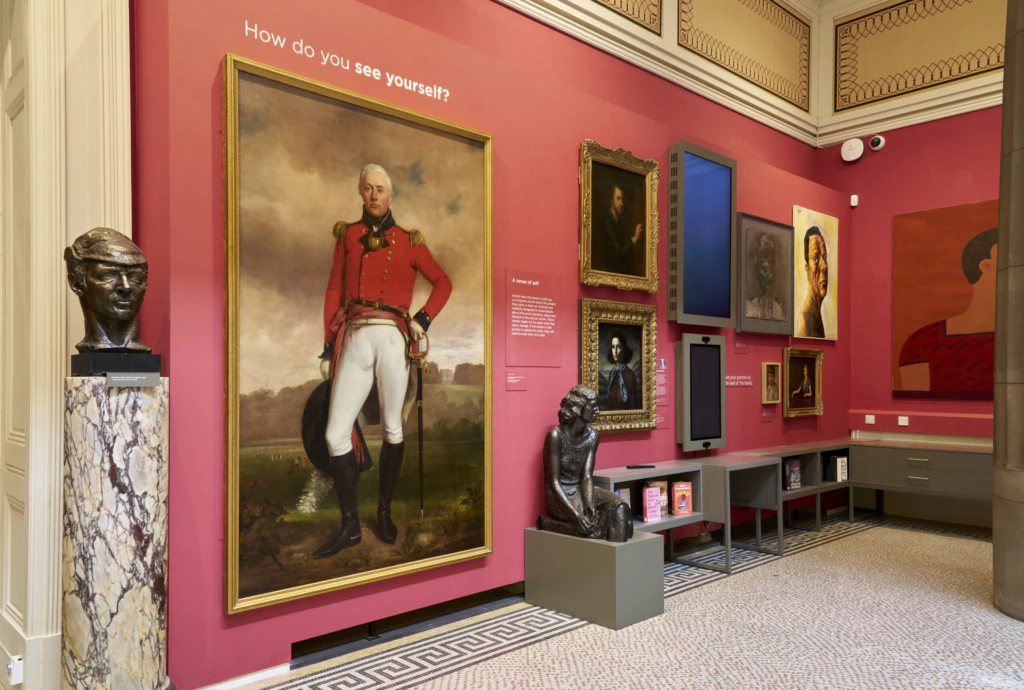
Many of the ancient Greek-style architectural features have been restored, including the red stencilling on the ceiling, marble floors and careful removal and conservation of the 19th-century Alexander Frieze – it depicts the ancient Greek king Alexander the Great leading his army into the city of Babylon in 331 BC – that once dominated the Rotunda.
A great deal of the project’s budget was spent bringing the building up to acceptable standards, improving infrastructure, access, collection stores and environmental controls.
An inclusive space
Community-led practice has been at the heart of much of the redevelopment of the Harris, including a poignant Caribbean heritage display, a space created for, and in consultation with, Preston’s young people, and co-produced art selections in the reading rooms.
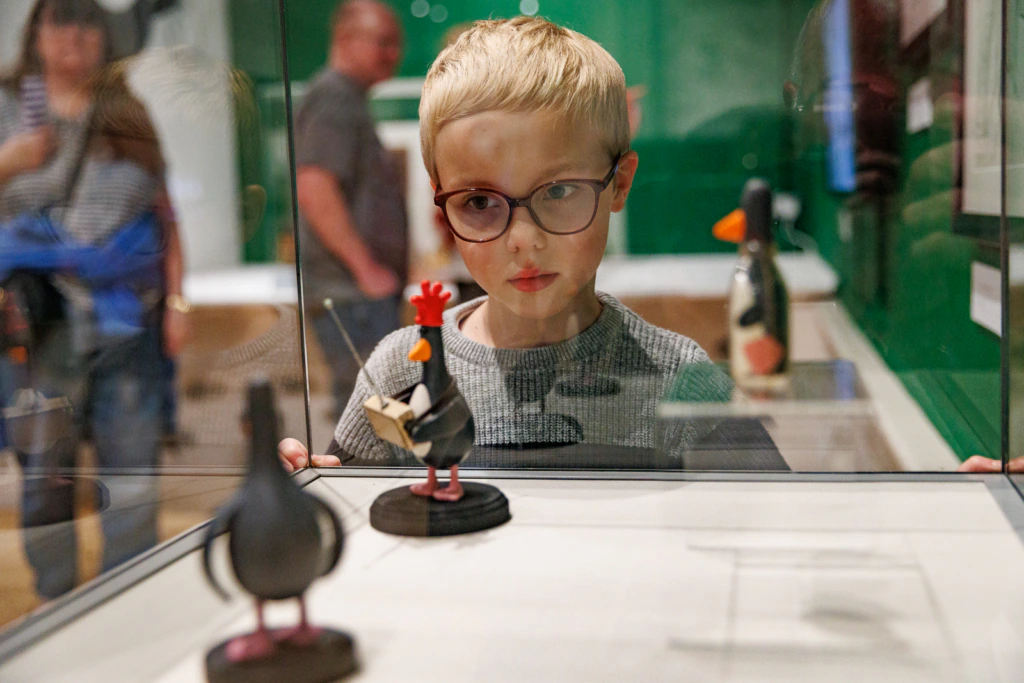
The new design reflects the Harris’s holistic thread and desire to connect the interpretive themes around the different floors in the museum, the objects it displays and the communities it works with seamlessly.
Advertisement
Entering through the traditional Market entrance, I was warmly welcomed by the visitor services team, who provided helpful guidance. The new Lancaster Road entrance offers an additional accessible welcome point with a gift shop and main desk.
Visitors will appreciate the inclusive facilities, such as gender-neutral toilets, a Changing Places toilet, lockers and improved wayfinding.
Book work
The integration of library books into nearby object displays is particularly effective; literature selected to complement the topics covered aids the seamless transition into the library. Also dotted within Instagram-worthy bookshelves, are carefully curated museum cases containing historical objects.
The family library is divided into Play, Imagine and Explore zones. Curated displays inspired by children’s books act as a visual link between literature and collections, for example the fictional young wizard Harry Potter.
While the shelving and layout are visually engaging, the interpretation here could be better tailored to younger audiences.
Advertisement
Object labels and mounting styles mirror those of the main galleries, which may limit engagement for children. That said, low-level display cases, bright colouring and interactive elements such as dress-up stations are welcome additions.
Continuing this approach, the refurbished cafe has integrated collections and themed books on display throughout the space.
While an interesting concept, viewing these display cases is somewhat challenging for the cafe patrons, as getting access to them involves navigating tables and chairs and peering over the heads of those trying to enjoy a cup of tea.
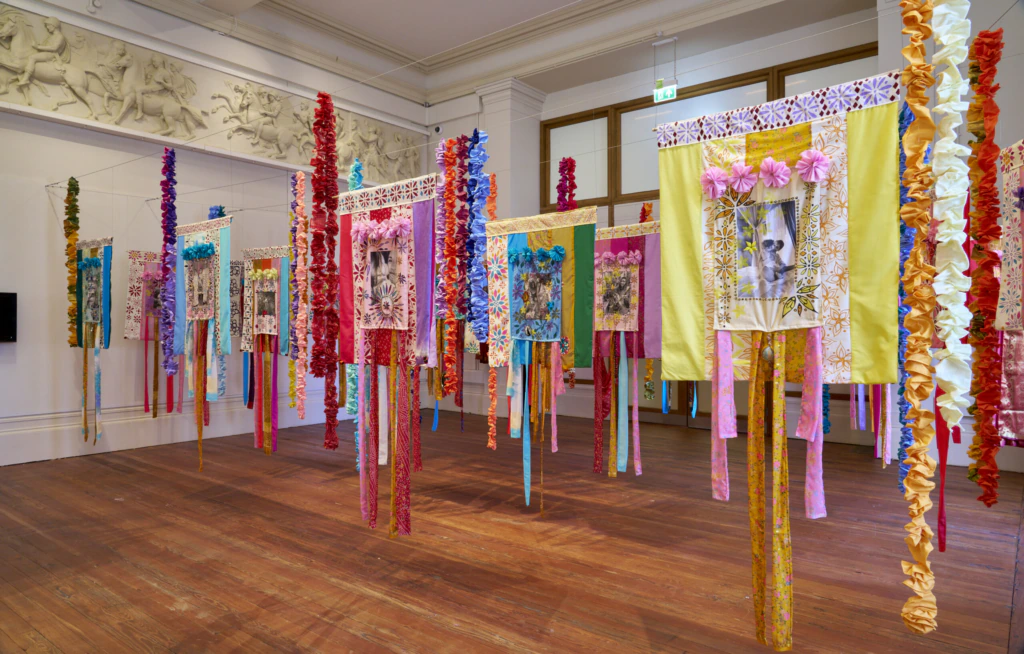
The first floor, which has expanded its public access, focuses on Preston’s history, fashion and identity. The layout of this space Rotunda mirrors those of the floors above and below with cases and displays lining the walls.
The fashion case brings together some iconic items, but the displays could have been mounted more dynamically taking into consideration the diversity and playfulness of the objects.
The Caribbean section is a standout on this floor, with newly commissioned AV content delivered by community members. It is a powerful reminder of Preston’s multicultural heritage.
The reading rooms feature the vast and impressive “Mrs. French’s scent bottle” collection, alongside a selection of paintings chosen by regular library users. This co-produced display is a thoughtful gesture, reinforcing the Harris’s commitment to community involvement.
The second floor brings global connections into focus, linking to the Egyptian gallery on the floor above. This impressive tableau on the third floor is available to explore up-close via bookable guided tours, as well as a virtual tour available on touchscreen stations throughout the museum.
The Special Collections space is dramatically improved, with high ceilings and a beautiful display of a book collection once owned by physician and former mayor of Preston Richard Shepherd (1694-1761).
High up on the walls, an animation draws the eye and adds life to the books’ illustrations. The space includes a poignant display on Preston’s role in the cotton industry and does not shy away from the difficult histories of and connections with slavery, offering visitors a more reflective experience.
Continuity and change
New acquisitions are beautifully mounted and clearly lit. Space around objects allows them to breathe and speak for themselves. Accessible language is used in interpretation, with short sentences and questions posed to encourage engagement and personal reflection.
Focus on: The Foucault pendulum
“You aren’t getting rid of the pendulum are you?” was a regular question at the start of our project.
As with the ravens leaving the Tower of London, many visitors were told as children that if the Harris’s pendulum stopped, it would signal the end of the world. Actually, it used to stop swinging every 15 minutes or so because of air resistance and had to be set in motion again by our dedicated staff.
The Harris’s Foucault pendulum was first installed in 1909 and is the biggest in the UK at 35 metres long. It swings in one plane long enough to see the effect of the Earth rotating underneath it.
Formerly in a side space, it has now been moved to become a grand centrepiece to the building.
Installing the new bracket on the roof was challenging as the central void through the three floors was filled with scaffolding. We didn’t know if the centre of the lantern aligned with the centre of the floor below until the scaffolding was removed months later.
Thankfully it did. The bracket and steel cable had to be carefully engineered to support the heavy bob as well as continuous operation, as it is now rather difficult to access.
The air resistance that used to stop the pendulum was overcome with a small electromagnetic push from a bespoke coil-and-control circuit as the bob crosses the centre of the floor.
Getting power to the middle of a Grade I-listed floor meant using a battery concealed in a base designed to protect the pendulum and visitors alike.
The pendulum is a bit like the heartbeat of the Harris, so it is brilliant that this complicated mechanism is working smoothly once more. It is better than ever and continues to captivate visitors of all ages.
James Arnold is the programme and collections manager at the Harris, Preston
The interactive elements within the permanent displays were limited though, and the museum has very little for children under the age of five. However, the touchscreen collections stations and portrait wall interactive help to engage visitors with the museum’s artefacts.
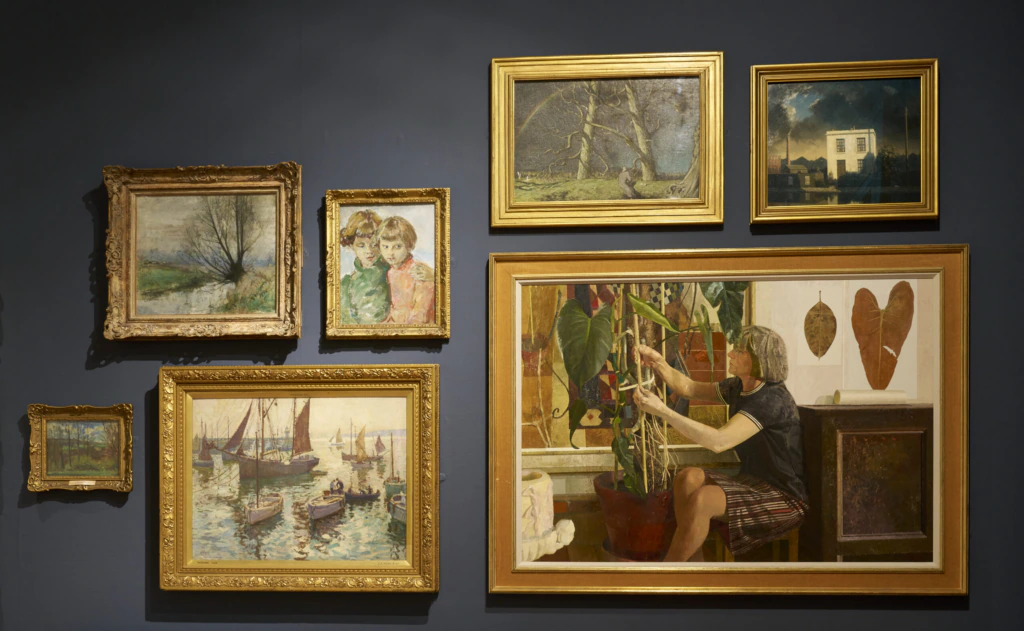
It was reassuring to see that many beloved collection items remain on display. Pauline in the Yellow Dress, a 1944 painting by Herbert James Gunn, a favourite among Harris visitors, continues to hold pride of place. Its presence anchors the museum’s identity and offers continuity amid change.
Reawakening
The Harris has re-emerged as a beacon of civic pride and cultural innovation in Preston. Its thoughtful restoration and inclusive design make it a welcoming space for all.
The blending of library, cafe and museum functions are elegant and effective, and the building’s architectural beauty has been lovingly preserved.
The Harris feels brighter, more open, and more connected to its community than ever before.
Jill Carruthers is the exhibitions manager at Showtown, the museum of fun and entertainment in Blackpool
Project data
Cost
£19m
Main funders
Preston City Council; National Lottery Heritage Fund; Arts Council England; Towns Fund; Garfield Weston Foundation; Wolfson Foundation; The Harris Charity; Harris Trust; Duchy of Lancaster; Friends of Harris; EK Dickson Trust; Lancashire County Council
Exhibition design
Ralph Appelbaum Associates
Lead architect
Buttress Architects
Main contractor
Conlon Construction
Project management
Focus Consultants
Cost consultant
Ridge and Partner
Recant and decant specialist
Restore Harrow Green
Lighting design
Michael Grubb Studio
Audiovisual hardware design
Sysco Productions
Catering design
Kendrick Hobbs
Fit-out contractor
HUB Build
Display cases
Click Netherfield
Interactive
Unusual Projects
Electromagnetics for pendulum
University of Central Lancashire
Conservation
Lancashire County Council
Audiovisual hardware
Fusion LX
Press and media
Four Agency
Mountmaker
Orbis Conservation
Accessibility
Direct Access; Disability Equality North West
Exhibitions
Edwin Williams: Nostalgic Views of Preston, until 12 April; The Harris Open 2026, 21 February-3 May
Admission
Free