Walking into the Gender Stories exhibition at Bristol Museum & Art Gallery (the exhibition closed on 12 Oct in Bristol but will open in Brighton at the end of January 2026; see box), I’m struck by how challenging it must be for cultural institutions to explore gender – especially in today’s climate of heightened debate and division.
With confusion still lingering after April’s UK Supreme Court ruling on biological sex, politicians faltering over so-called gender definitions, and the topic frequently weaponised as online rage bait, this is no easy undertaking. I don’t envy Bristol Museums, National Museums Liverpool, or Brighton & Hove Museums – the joint creators of this exhibition – but I do admire them.
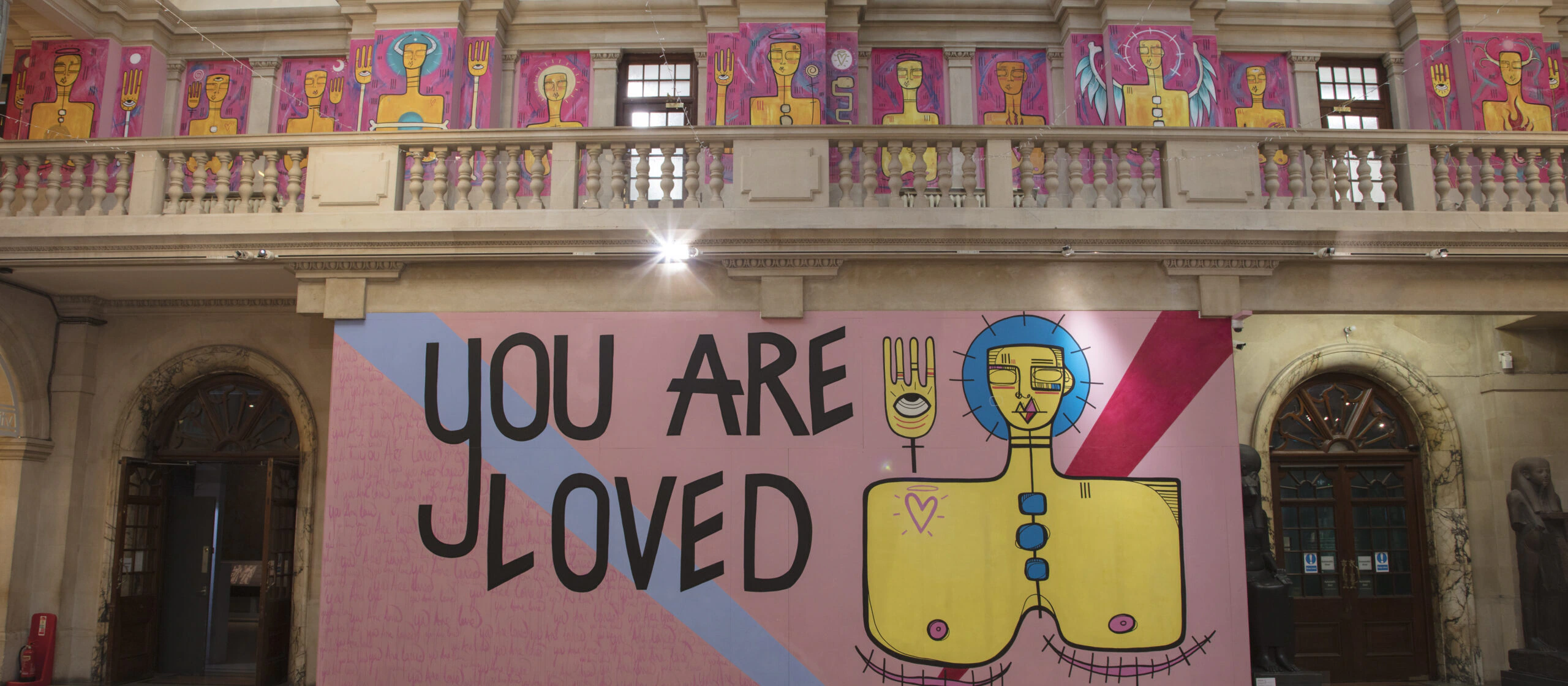
The huge yellow and pink murals by trans artist and educator Mister Samo, which dominate the museum’s front hall, set the tone for a bold, compassionate, and confident exhibition. Later, I will leave the gift shop with postcards and magnets, hoping to recreate this vibrant display on my fridge.
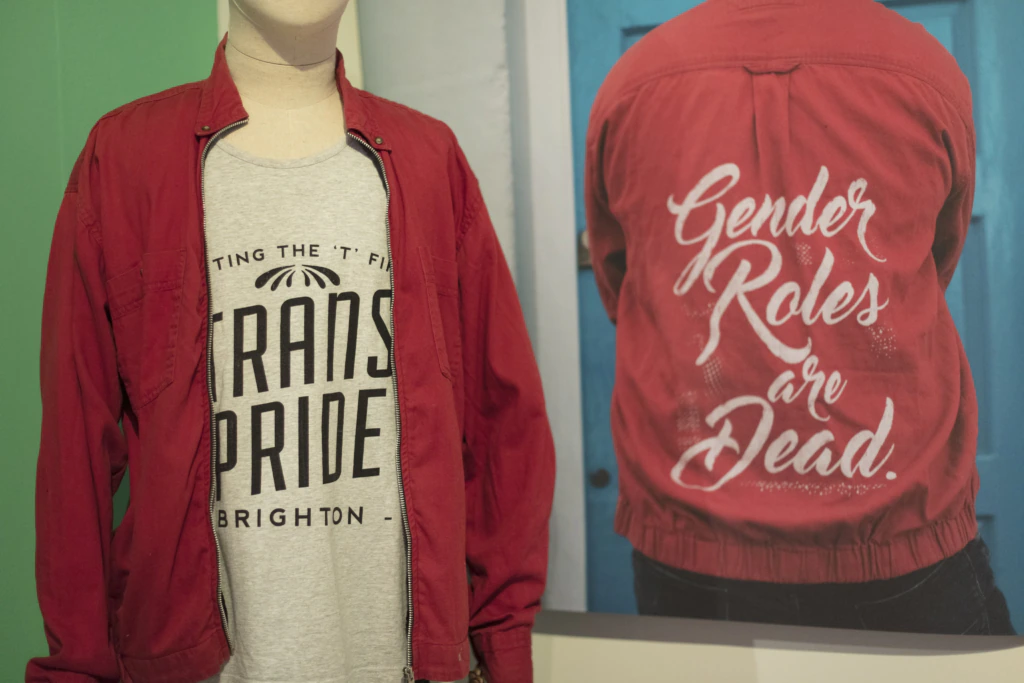
Built around new and historic collection items, artworks and authentic human experiences, Gender Stories steers clear of the latest headlines and culture war dramas. Many exhibits are displayed alongside statements from community members sharing their own thoughts and experiences, creating a compelling interplay between past and present.
The exhibition tackles four central questions: How do you “do” your gender? What is gender? Who decides your gender? What is the future of gender?
Advertisement
The Museums and Galleries Network for Exhibition Touring
The Museums and Galleries Network for Exhibition Touring (MAGNET) is a network of 12 museums and galleries that have joined resources to share their collections with diverse regional audiences.
The network was established in 2020 to deliver a pilot project that culminated in the inaugural exhibition Hair: Untold Stories.
In May 2023 MAGNET received funding from Arts Council England and Art Fund to develop three new exhibitions, which are set to open between May and September 2025, one of which is Gender Stories.
Gender Stories opened in Bristol in May and has two more locations to tour to:
- Bristol Museum & Art Gallery: 31 May to 12 October 2025
- Brighton Museum and Art Gallery: 31 Jan to 12 April 2026
- National Museums Liverpool: May to Sep 2026 (exact dates to be confirmed)
Visitors are shown how people have challenged gender norms throughout history. One example is a picture of Ellen Craft, who in 1848 adopted the characteristics and dress of a white male enslaver to escape enslavement, while her husband posed as her servant. This is next to a photograph of EgyptologistAmelia Blanford Edwards (1831-92), who lived with h lover Ellen Byrne despite Byrne being in a societally-approved marriage with reverend John Byrne.
Another highlight is a colourful dance mask and masquerade costume worn by Igbo men in southern Nigeria in the 1900s to imitate female spirits – idealising female beauty, form, and movement. These masquerades, which inspired one community member to explore drag, speak to the idea that gender isn’t about who you are, but what you do. It can be performative, playful, and ambiguous – a refreshing contrast to the stifling debate that so often surrounds it.
We hear from a drag queen in a video segment who experiences “superhero” levels of confidence when in drag. The Gang, a photograph by contemporary American artist Catherine Opie, depicts women adopting masculine drag personas as part of the lesbian subculture Daddy/Boy.
The exhibition acknowledges that not all interpretations or expressions of gender resonate with everyone, and that that’s okay. Some see these expressions as replicating unequal power dynamics, objectifying, or fetishising. Rather than getting hung up on differences of opinion, Gender Stories reminds us that what really matters is how we, as individuals, choose to “do” gender.
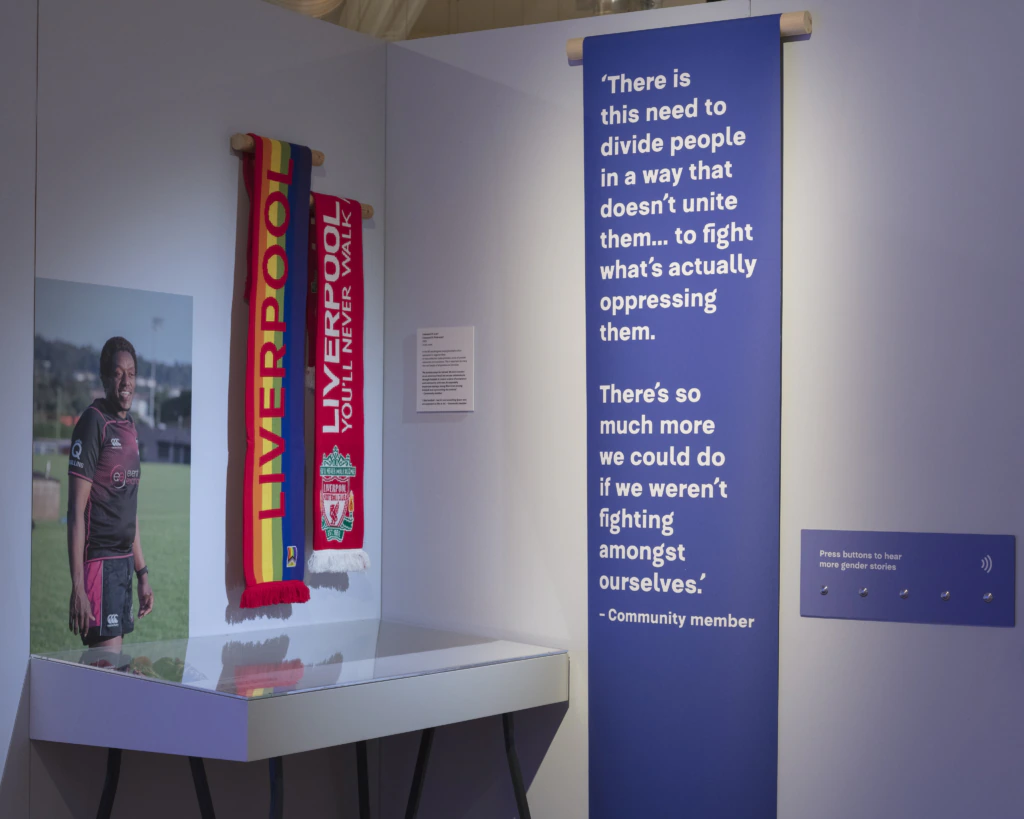
Opie is just one of several well-known artists whose work sits comfortably alongside personal treasures, historic artefacts, and collection pieces. One moment you’re looking at a bracelet kept for decades after an encounter between two boys on a school trip in the 1960s; the next, you’re viewing The Seven Stone Weakling, an 1961-63 etching by British artist David Hockney that depicts his feelings of inadequacy as he watched two athletic male joggers in the park.
Advertisement
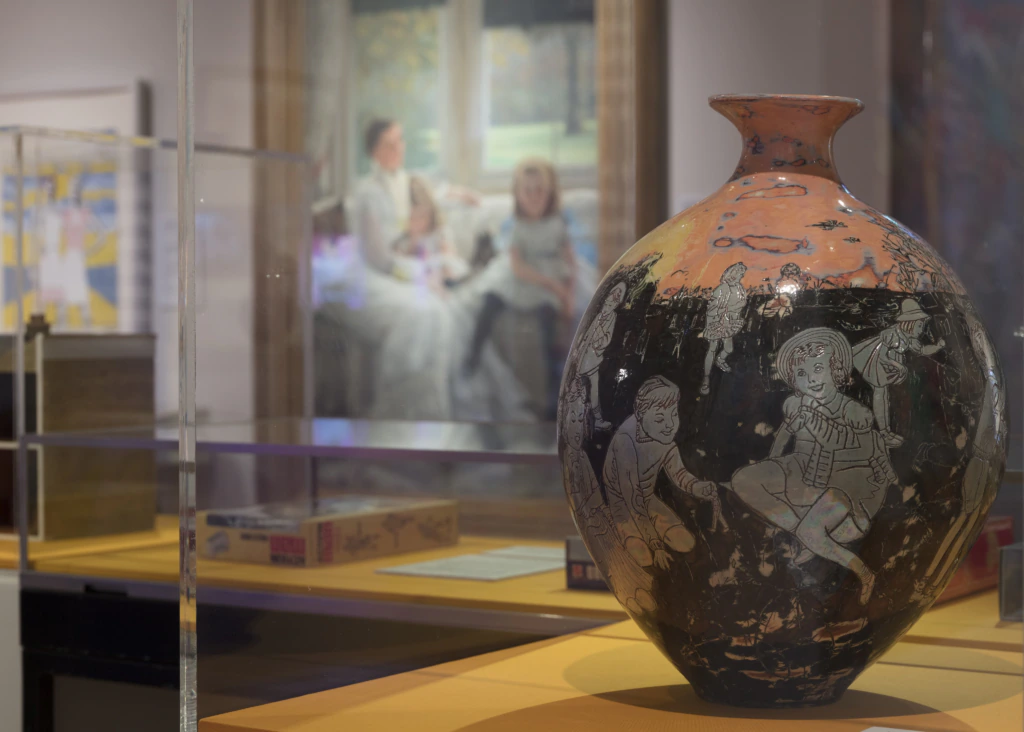
A Grayson Perry pot entitled Difficult Background challenges preconceived notions around gendered play. Meanwhile, Rene Matić, Zanele Muholi, and Del LaGrace Volcano are among the other artists whose work supports the exhibition’s quest to challenge traditional binary narratives and explore how gender intersects with sex, identity and sexuality across cultures and history.
Some of the older stories seem more focused on sexuality than gender, which momentarily confused me. But it’s later explained that gender, sexuality and sex were less distinct even a few decades ago. A hundred years ago, for instance, homosexuality was seen as sexual inversion,whereby the female soul enters the male body.
There are also interactive elements, including a reading area and a tool that allows visitors to chart their gender identity, gender expression and sexual orientation. There’s even a small space awash with moving lights, where you’re encouraged to dance and move in celebration of gender’s fluidity. The prospect of gyrating alone in a semi-translucent cube filled me with dread, so I moved swiftly on to examine a sketch of the grave of a female Viking warrior discovered in the 1880s.
While there’s plenty of playful elements in Gender Stories, it doesn’t shy away from serious issues. For instance, a dress made by artist Fleurre Simpson, which has a “home safe” text message embroidered on to it, is a powerful and moving protest against gender-based violence. It was made shortly after Simpson attended a vigil for Sarah Everard who was murdered by police officer Wayne Couzens in 2021.
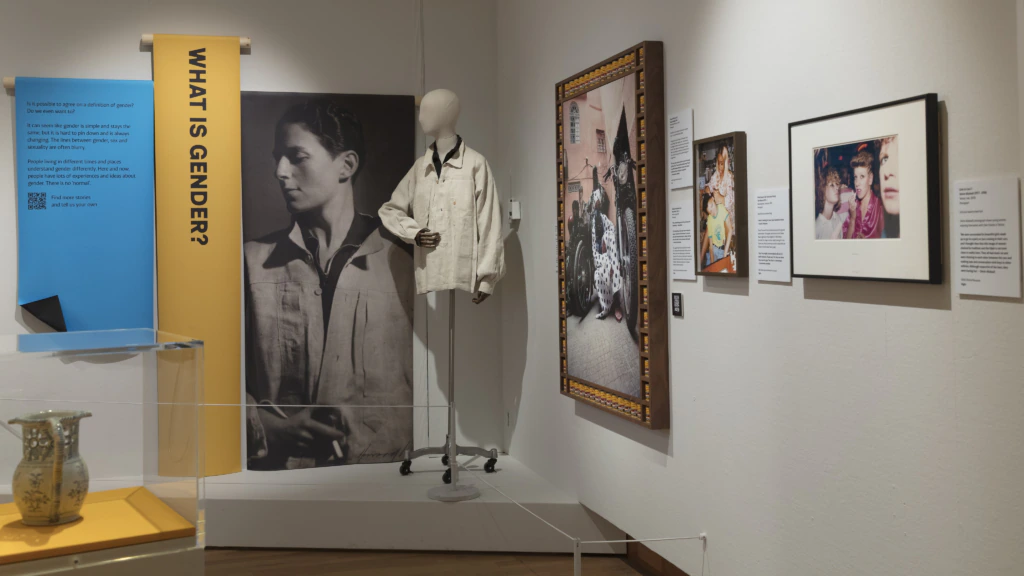
With its audio stories, personal memorabilia, photographs, showstopping artworks, and fascinating collection items from around the world, it’s easy to lose several hours to this exhibition. It includes all the expected accessibility features, with audio descriptions and interpretations seamlessly accessed via your phone. It has also created its own community of voices, inviting visitors to join the conversation by sharing words, images, audio and video via QR codes throughout the exhibition.
Advertisement
I walked into Gender Stories feeling a sense of hopelessness, confused by how toxic the rhetoric surrounding gender has become. It’s difficult to be reminded that gender is continuously in conversation with power and politics, which helps explain society’s current obsession with it. On the other hand, it’s inspiring to see so many examples of people throughout history subverting stereotypes and expressing gender in playful, creative ways. Beneath the blanket of rage that surrounds this issue, there’s still joy to be found.
Nicola Sullivan is a freelance writer on culture
Project data
Cost
Undisclosed
Suppliers & Partners
This is a MAGNET partnership exhibition, with Art Fund support and supported using public funding by the National Lottery through Arts Council England. The exhibition was developed by Bristol Museums, Brighton & Hove Museums, and National Museums Liverpool.
Suppliers and Specialists
Dr Sarah Jones, Bristol University (social and cultural historian of gender and sexuality)
3D design
Polly Lewis
2D design
Thom Isom
Audio
Olivia Graham
Video
Floating Harbour Studios
Audio description
Charlotte Whitten
BSL interpretation
David Ellington
Community Partners and Artists – Bristol
Samo White (Mister Samo); Del LaGrace Volcano; Sid Boyer; Dr Fae Garland, University of Manchester; Museum of Transology; OutStories Bristol; Off the Record: Freedom Youth; The Plus Importance Project; Rising Arts Agency; Trans Pride Bristol; Bristol Museums Young Collective
Community Partners and Artists – Brighton
Brighton MET; Brighton Aldridge Community Academy; University of Sussex; Queer Heritage South
Community Partners and Artists – Liverpool
SO Health; A Room That Looks Like Me (2025 cohort); Refugee Women Connect; The Choir with No Name Liverpool; DJK House