This new publication collates 600 years of creativity, featuring a selection of groundbreaking female artists and designers connected with the National Trust or whose works are held within its collections.
Edited by Rachel Conroy, senior national curator at the trust, with texts from specialist trust curators, the book platforms a breadth of artworks and design objects from oil paintings, enamels, printmaking, sculpture, drawings and photography, to jewellery, textiles, ceramics, furniture and gardens, each chosen for their “compelling or important stories”.
Arranged chronologically, the format offers accessible introductions to those included, complemented by a large volume of illustrations across six chapters.
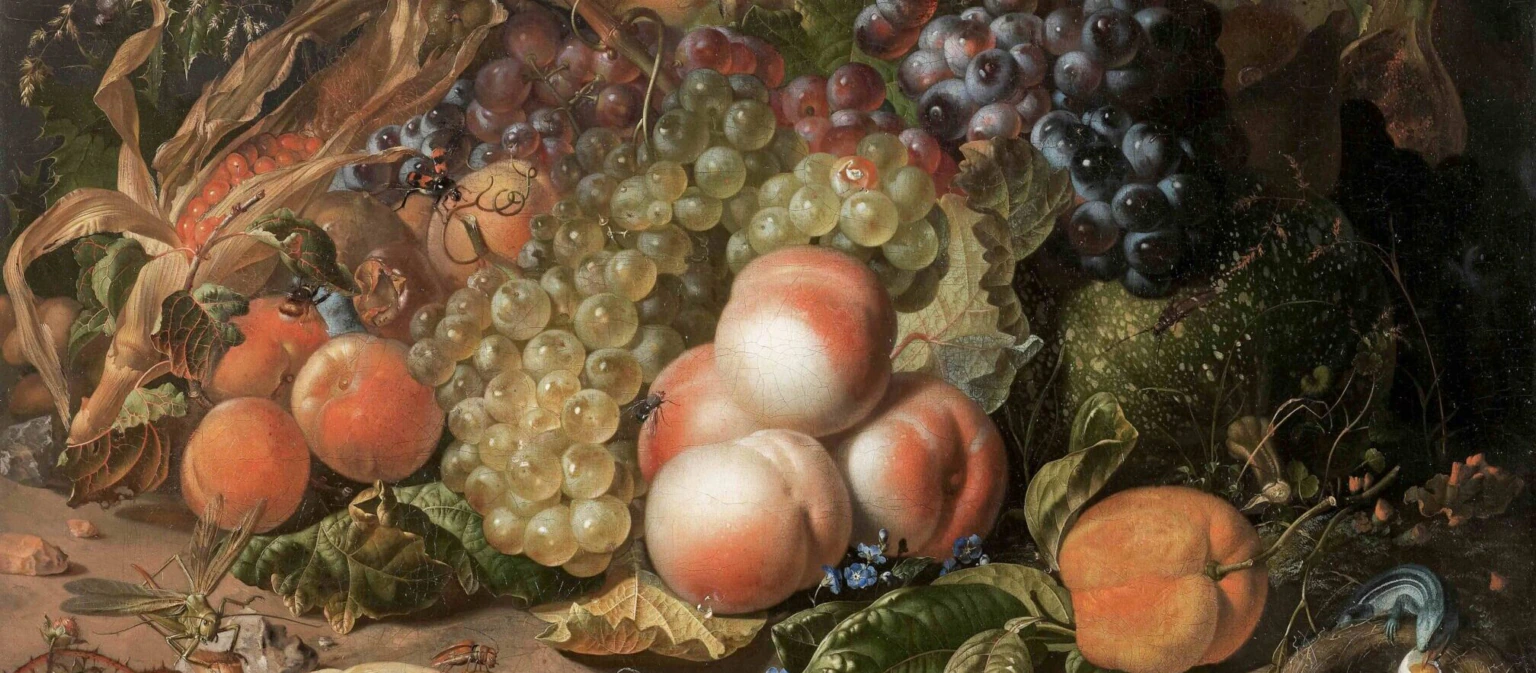
Concise texts give brief biographical details and cover aspects of an individual’s skills, labour and achievements in a variety of traditionally male-dominated interdisciplinary fields. The addition of an engraving by German-born Maria Sibylla Merian (1647-1717), for instance, incorporating a snake, moth and cassava root, held in the collection of Blickling Hall, Norfolk, provides opportunity to discuss Merian’s artistic talents, influence on ceramic design and her role as a founder of modern zoology.
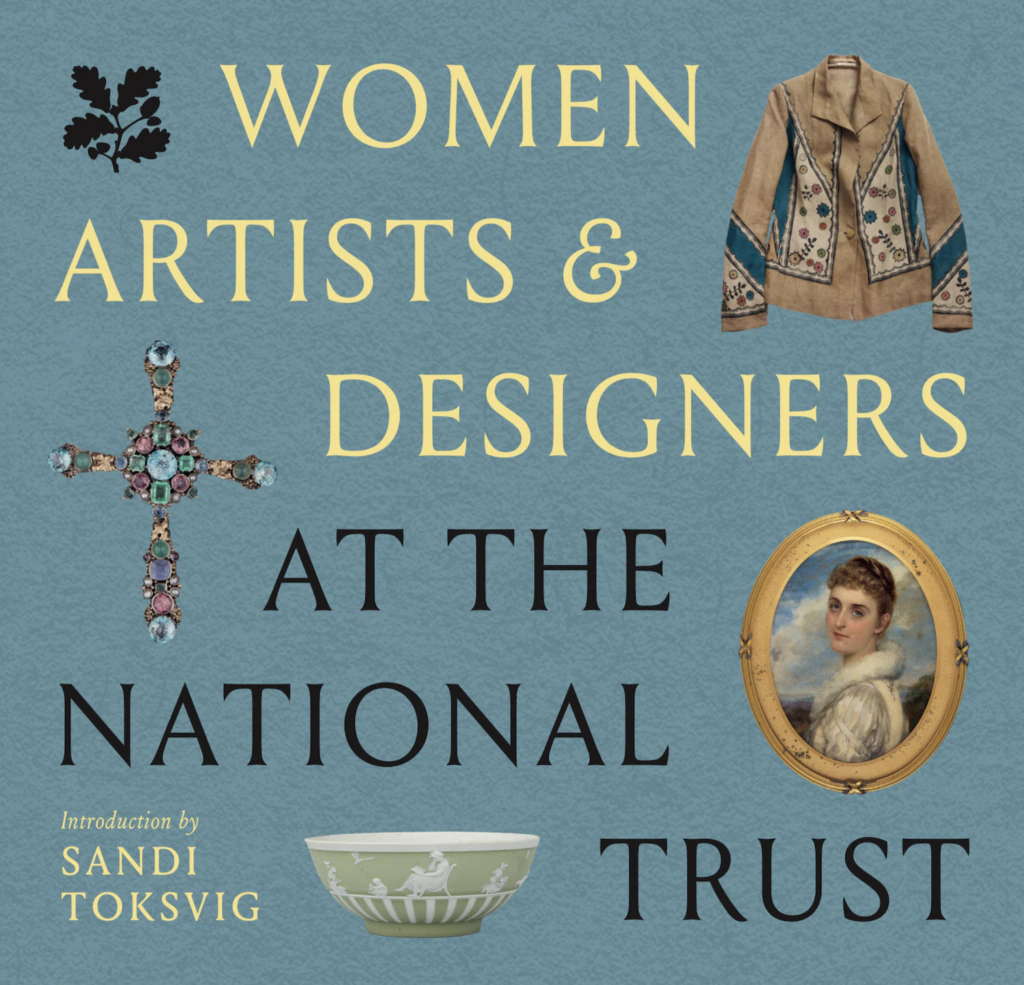
ISBN 978-0707804699
Other women artists and designers also have their notable contributions to philanthropic causes (Elizabeth Creed), politics (Amy Kotzé) and medical science (Kathleen Scott) highlighted in their texts.
Advertisement
Remarkable material and technical innovations are presented via an entry on Eleanor Coade (1733-1821), the developer of Coade stone, an innovative and durable ceramic suited to outdoor sculpture, with examples housed at Anglesey Abbey, Cambridgeshire and Ardress House, County Armagh.
Photographic pioneer Anna Atkins (1799-1871) – who tended not to use a camera – is represented through a botanical cyanotype held at Lacock Abbey and Fox Talbot Museum, Wiltshire.
Continuing to inspire gardeners globally is the poet and writer Vita Sackville-West’s (1892-1962) exquisite design for her White Garden, so-called because of her use of only white, grey and green foliage and flowers, at her Sissinghurst home in Kent.
Ceramicists Lucy Rie, Susie Cooper and Janet Leach, furniture designer Ray Eames and sculptor Barbara Hepworth, are among other canonical women featured.
A primary criticism of the book (and of the trust’s collections overall) is its lack of diversity. Conroy acknowledges the limitations of gaps in the book’s timeline and “fundamental issues around representation” with respect to “women of colour, cultural diversity and class” in her introduction.
The anthology draws on the collections it is bound to, and these have been shaped by various historical socio-political parameters. Some mitigation comes in the form of work by Sarah Biffin (aka Beffin, 1754-1850), the celebrated portrait painter born without arms or legs.
Advertisement
Amateur artists have a place through, for instance, a reference to embroidery by Agnes Grange (1828-95), a farmer’s daughter and tenant at East Riddlesden Hall, Yorkshire, and through the mother-of-pearl and glass model Ruins of the Temple of the Sun at Palmyra, made by lady’s maid Elizabeth Ratcliffe (c.1735-c.1810) at Erddig, Wrexham.
Another criticism might be levelled at the relationships between artist and site that are not always outlined explicitly. Elizabeth Hardwick’s (1527-1608) octagonal embroideries made at and for Hardwick Hall, Derbyshire, and the elaborate Shell Gallery of cousins Jane and Mary Parminter (1750-1811 and 1767-1849) at A La Ronde, Devon, are exceptions. These evidence intrinsic connections between place, people and artwork, and are some of the most engaging entries in the book.
The socially engaged photographer Tabitha Jussa is the only living artist to receive a profile. Her entry, the last in the book, describes Jussa’s artist residency at Hardman’s House, Liverpool. Once run as a photographic studio by Margaret Hardman and her husband (Hardman has a separate entry in the book), it underpins Jussa’s position within the programme and collection of the property, through her medium-specific contemporary engagement with historical archives and with living, local communities.
Indeed, the publication, particularly its final chapter, Trust in Art, supports the case for the continued collection of works of art and design, appealing to audiences and, perhaps, internally to the trust itself (the Trust New Art programme ended in 2022).
Conroy describes the anthology, the first of its kind to celebrate women published by the trust, as “timely”. But it is overdue, laying groundwork for further research and investment in women artists and designers, living or otherwise, in the future.
Anneka French is a writer, editor and curator