“This is an emergency. All hands on deck,” is the introductory statement in the new permanent gallery titled Fixing Our Broken Planet, which is a must-see addition to the Natural History Museum, London.
The gallery is divided into four sections – The Food We Eat; The Stuff We Use; Our Health; and The Energy We Use.
These highlight our planetary emergency and clearly present why and how we as individuals and as a society can lead sustainable lifestyles in order to slow climate change and restore biodiversity.
Fixing Our Broken Planet opened to the public in early April. It is the first new permanent gallery at the museum since 2016 and I was inspired by its sustainable displays.
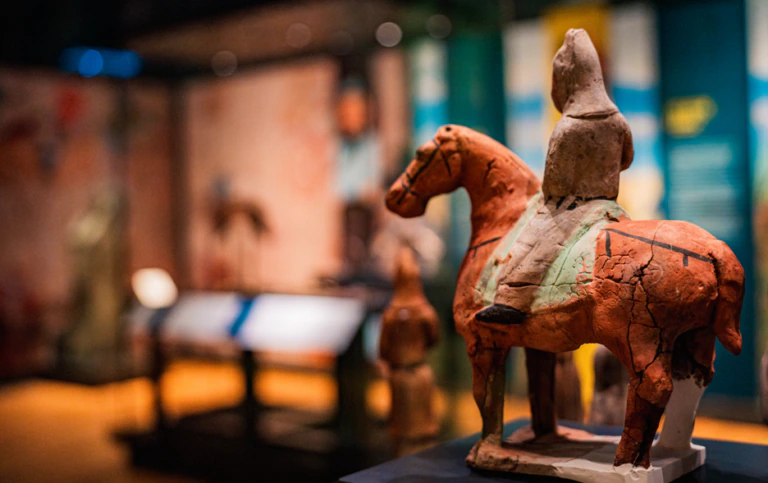
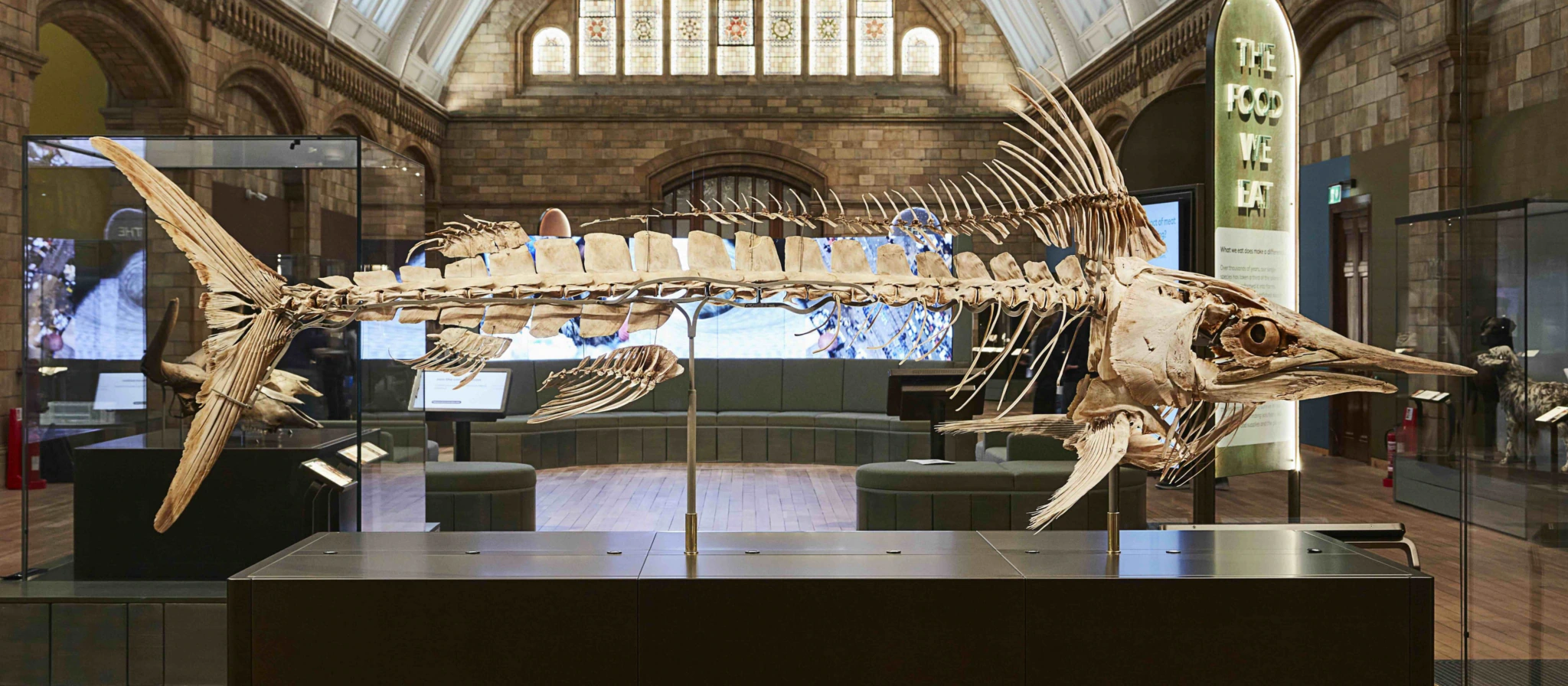
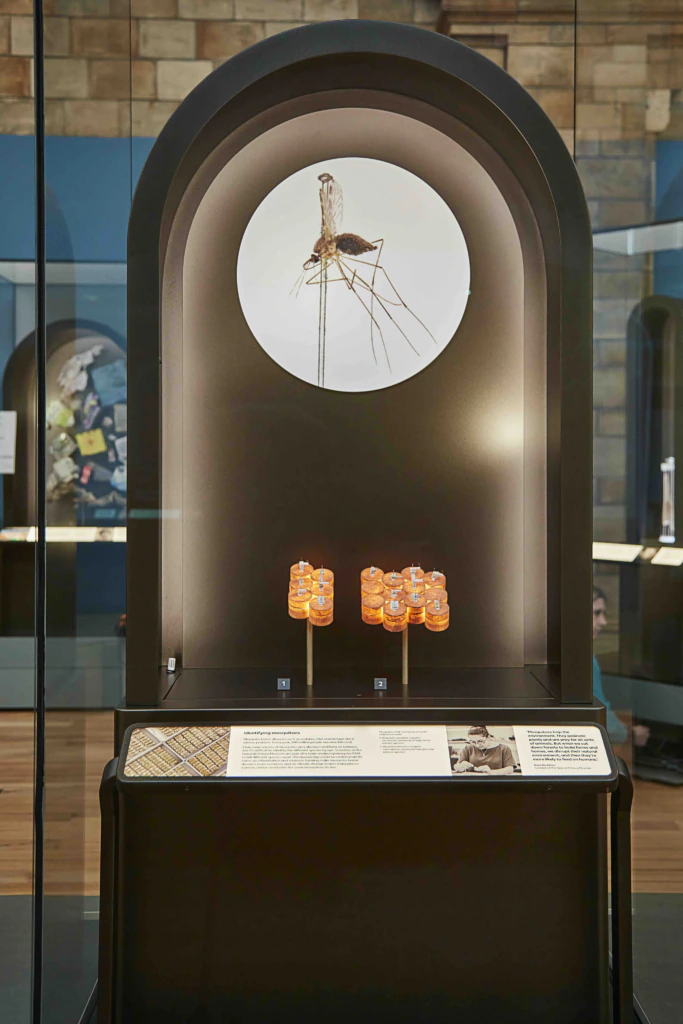
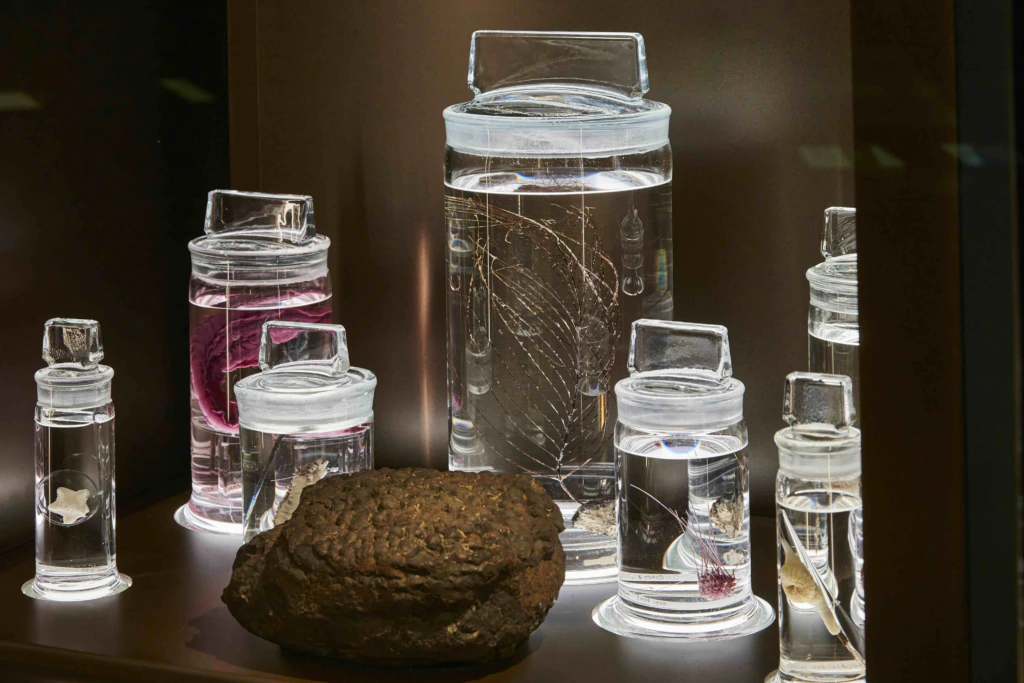
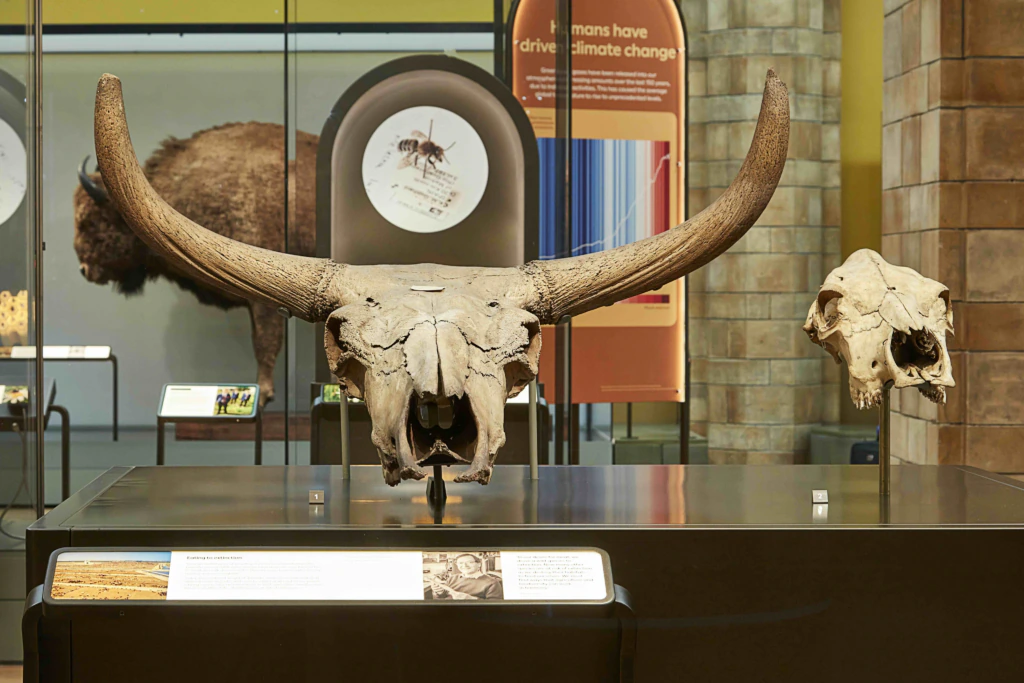
Using a cutting-edge design of black boxes, each fitted with bright spotlights, this exhibition presents more than 200 specimens from the museum’s collection.
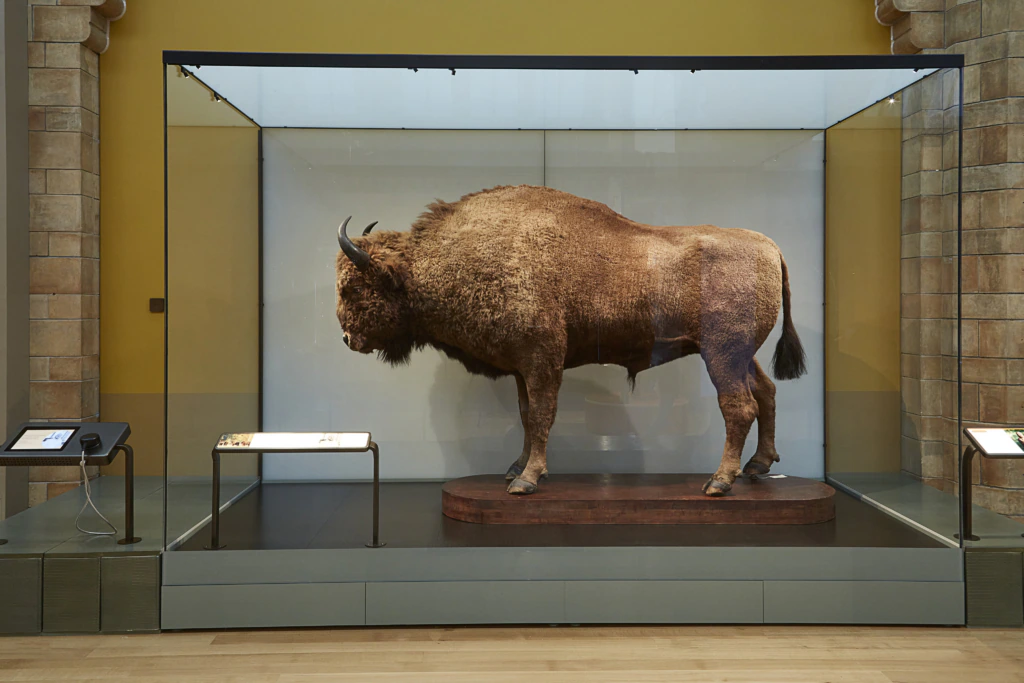
Throughout the gallery, visitors explore nature-based solutions to some of the biggest challenges facing our planet and are empowered to make a change.
Advertisement
Each specimen has been carefully selected by scientists at the museum, whose words were featured alongside each display case, making it clear that the planetary emergency is backed by science.
Deep dive
As a youth ocean activist who is researching water, my favourite part of the exhibition was the display of deep-sea creatures, specimens so newly discovered that they are not yet named.
I was also enamoured with a display showing the earwax of a whale demonstrating the impact of humans on the sea by detailing the ocean pollutants found in it.
Carefully placed in the corners of this historic museum space are three short films playing on a loop. Each has its own focus – plastic pollution, eco-anxiety and biodiversity loss. And one coherent theme unites them all – youth activism.
Youth activists present ways we can address our planetary emergency through conversations with each other and scientists. I was pleasantly surprised to see youth climate activist Clover Hogan, founder of Force of Nature, featured in one of these films. I have come across this youth-led charity, which “transforms mindsets for climate action”, in my own youth ocean activism.
The strong link between mental health and climate change was highlighted within one of these films, which nicely connects the four sections of the gallery space. In other words, people have climate-related anxiety towards everything that the four sections of the gallery interrogate – food, material objects, health and energy.
Advertisement
It is worth mentioning that the sound of these three films was at a suitable volume and the closed captions made it easy to follow the conversations.
Positive messaging
There is a digital installation in a central point at the front of the gallery space with ample seating. The installation circulates images of environmentalists and young changemakers in their respective elements in a move to inspire us to be hopeful amid our climate crisis.
In the same space, there are also interactive touchscreens that prompt three questions. The first is a yes or no question: “Could you buy only second-hand clothes?”.
The second one is: “Who do you think should be responsible for protecting homes from wildfires?” This gets you thinking a little harder. You are given a choice of three answers: individuals, governments, or insurance companies.
The third question was more open-ended, asking: “How can we help you dig deeper into the planetary emergency?”.
Advertisement
It gave a total of six possible answers: climate disinformation and how to identify trusted sources; climate justice; how climate change and colonialism are linked; how biodiversity loss and climate change are linked; things governments and companies are doing to tackle the climate crisis; and things we can do to address the climate emergency.
All three questions were thought-provoking, but I particularly enjoyed the third because there is still so much to learn, discuss and think about our planetary situation in order to fix it.
Scattered throughout the gallery space are also “What you can do” text panels. Some key messages include: use recipe apps to find new ways to cook leftover food; buy a refurbished phone the next time you upgrade; write to people in power and ask for action; and change the clothing industry through how you shop.
Meaningful action
I feel that these panels are a powerful addition to the exhibition, as each of them provides visitors with actionable lifestyle changes that go beyond the standard messages of recycling, thrifting, litter-picking, tree-planting and so on.
This is extremely important because actionable solutions are essential if together we are going to fix our broken planet.
Overall, the messaging is clear across the gallery space. In short, our planet needs to be fixed.
But what I found to be most inspiring about this exhibition is that the messaging is hopeful, as well as giving a firm warning, because it demonstrates how individuals and communities can make a difference by making lifestyle changes that can slow climate change and restore biodiversity.
As visitors enter and exit the museum through the grand Hintze Hall they can’t miss the 25-metre blue whale skeleton, named Hope, suspended above them.
When visitors look up, they marvel at her monstrous beauty and are filled with feelings of excitement, wonder and awe. I certainly felt that way when passing underneath.
Indeed, for me, located at the gateway to the museum’s collections and galleries, Hope represents the brighter future of generations to come.
These optimistic feelings of discovery and exploration are replicated throughout the new gallery – even as visitors are presented with the reality of the environmental impacts we face on our planet.
I highly recommend that anyone who is looking for more hopeful and inspired ways to address our planetary emergency should visit Fixing Our Broken Planet.
Annika E Mazzarella is a youth ocean activist undertaking a PhD in museum studies at the University of Leicester. She is also a member of the Museums Association’s Museums for Climate Justice steering group
Project data
Cost
Undisclosed
Main funders
Department for Culture, Media and Sport’s Public Bodies Infrastructure Fund; Natural Environment Research Council, part of UK Research and Innovation; Wellcome Trust; GSK; Ørsted
Principle contractor
The Hub
QS/CA
Fraser Randall
Exhibition design
In-house
Lighting design
DHA Lighting
Graphic design
Hato
Interactive development
New Angle
Films
Voice for Nature; Nick Street; Bucy McDonald
Showcases
Florea
Admission
Free