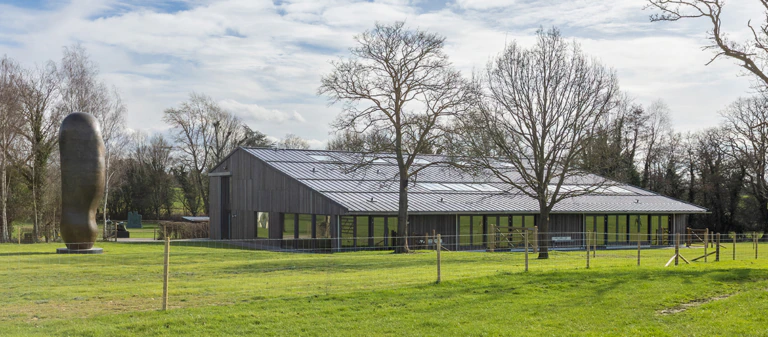
On a sunny day in spring, I made my visit to Sissinghurst Castle Garden in Kent to see the excellently titled exhibition Between the Covers with Vita. I decided not to look at the website before I went. I wanted to experience it as a visitor who was going to see the famous gardens.
As with all National Trust properties, friendly volunteers welcomed us. We, of course, headed to the cafe first. I was delighted to find they had a coeliac-friendly gluten-free scone.
We then headed off to the ticket office where there was a box asking people to return their paper maps. But there were none available. This proved somewhat problematic for the rest of our visit. There were no panels or extra information on site. We didn’t always know where we were or what we were looking at.
Room at the top
Luckily, we spotted a banner for the exhibition, which is on the first floor of an old farm building. There were lots of steps to climb, and they were not accessible. This is however flagged on the website.
The volunteer kindly pointed out that large-print booklets were available if needed. The space inside is light and airy. The excellent use of a difficult space is a real highlight.
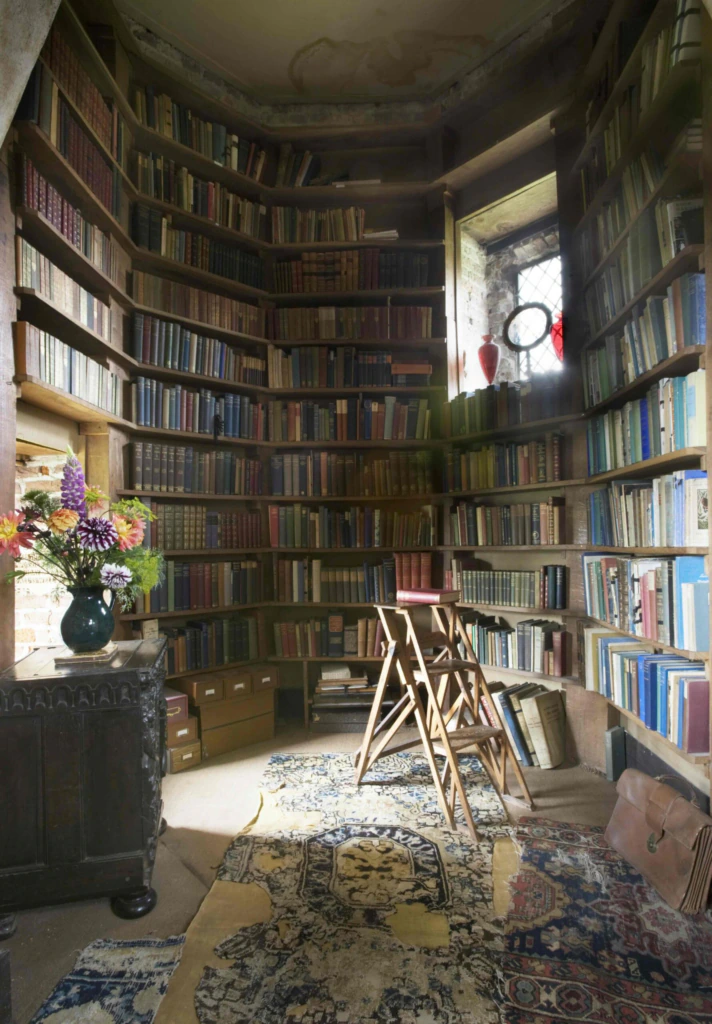
Each area is sectioned off with false walls, gently guiding you in the right direction. The exhibition walls are painted beautiful soft reds with mauve panels.
Advertisement
This is so inviting. It complements the white walls and the wooden floors and roof. At the end there is a space with a gorgeous velvet sofa where you can sit and read or leave reflective feedback.
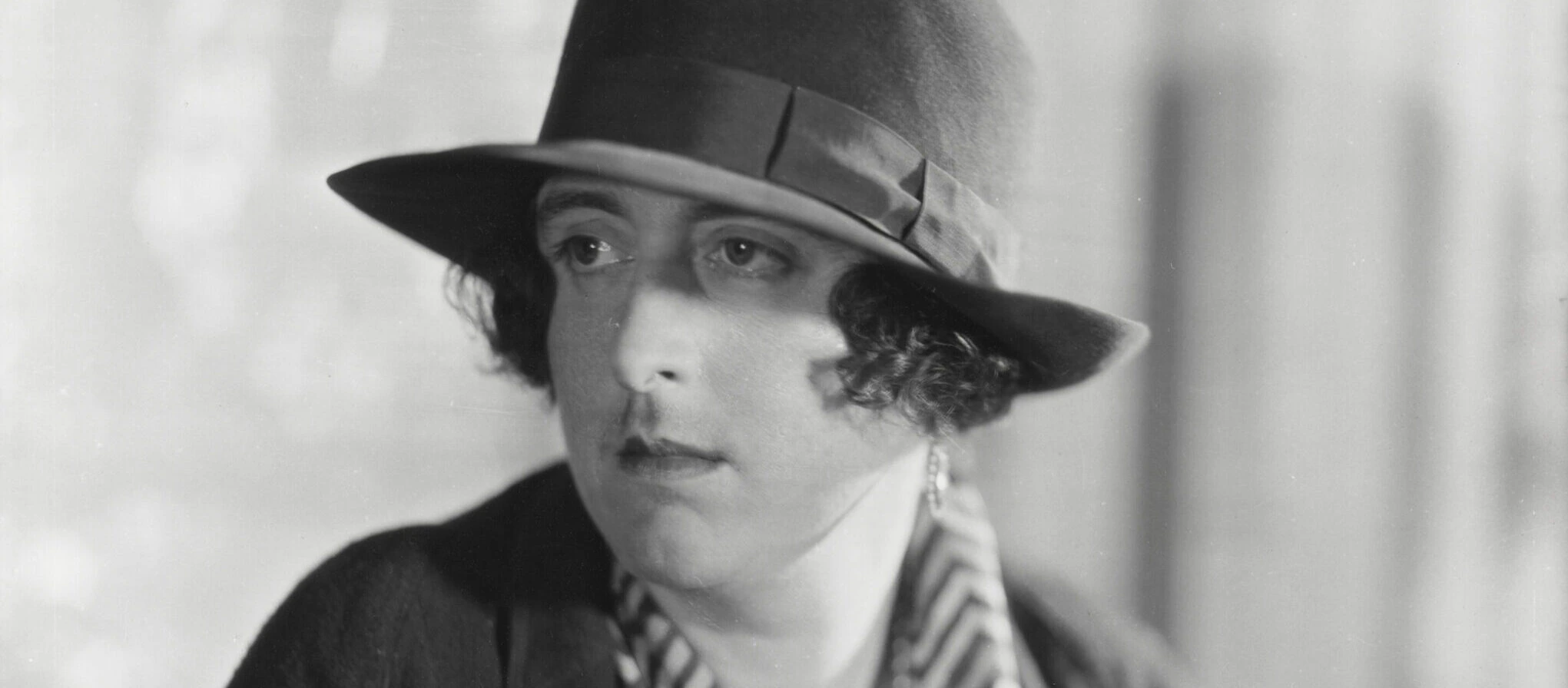
The exhibition aims to explore the life, writings and legacy of author Vita Sackville-West, an influential 20th-century garden designer and writer who had an open marriage with her politician husband Harold Nicolson. Her same-sex relationships are well-documented – this exhibition examines how her personal experiences shaped her literary journey.
The exhibition highlights 10 featured works – I like lists. It was also laid out chronologically, which helped me connect to a much wider historical context and allowed me to build and draw on my knowledge and experiences.
The first part of the exhibition is an illustrated animation. It starts with the story of Sackville-West’s first love, Rosamund Grosvenor. It was beautiful and engaging, but the flickering animation was hard to watch. There was a warning, but I wonder if it would have been better to adjust it. Audio would also have been good.
The artist who made it is Sarah Tanat-Jones. She has been commissioned to illustrate Sackville-West’s life and literature. Her work hangs alongside each section and is an engaging addition to an exhibition about writing.
Advertisement
Questioning norms
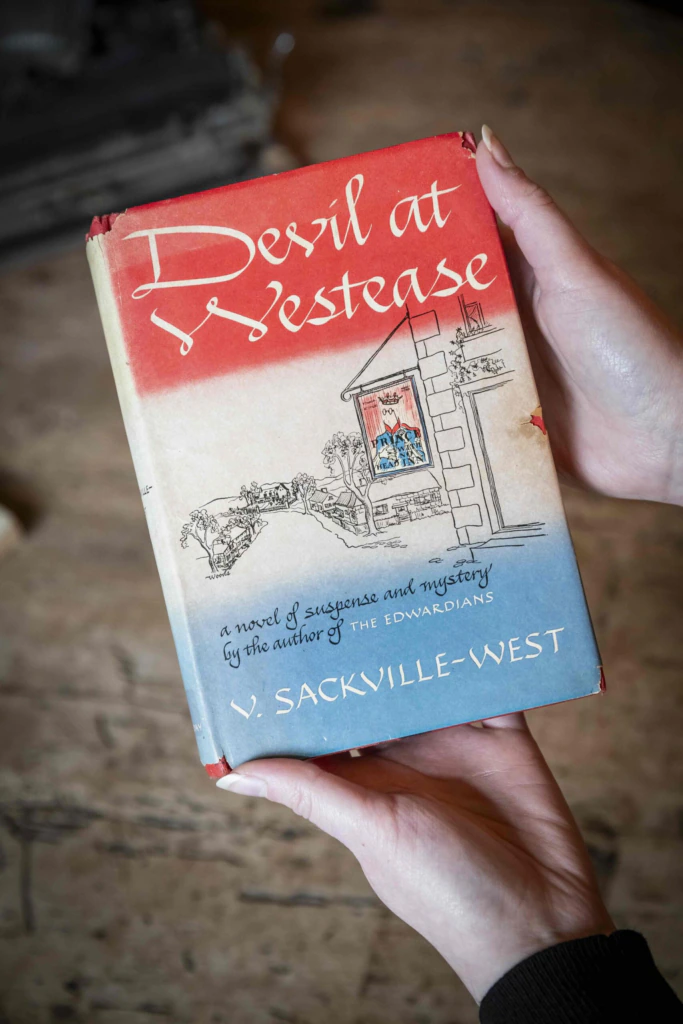
A particular highlight from the exhibition for me was Sackville-West’s novel Challenge, written in 1923 and set amid a political revolution in Greece. It explores themes of censorship, rebellion and trans identity told through the protagonists, Julian and Eve. Julian embodies Sackville-West’s use of male aliases. This was a practice she embraced in her writing and letters with lovers. Eve was inspired by her lover Violet Trefusis.
The novel faced criticism for its thinly veiled portrayal of their relationship, with pressure from their mothers leading to its suppression. Sackville-West’s mother even paid the publisher to block the UK release. It was published in the US with some changes and eventually released in the UK in 1973 by her son Nigel, along with his autobiographical account of Sackville-West’s and Trefusis’s relationship. The exhibition displayed the unpublished UK green cloth version.
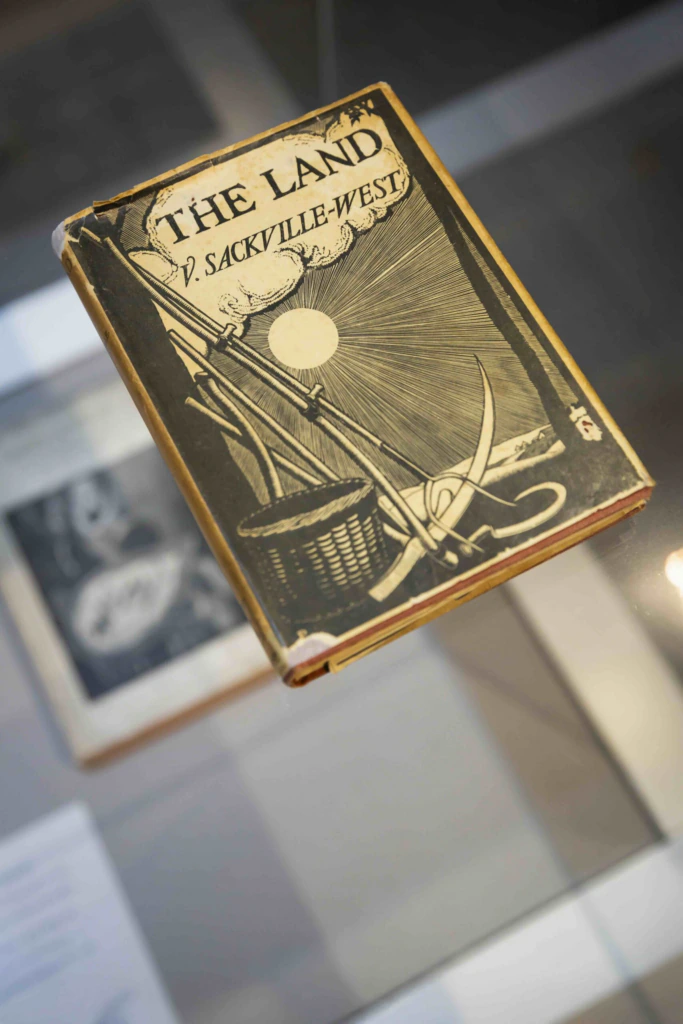
I also enjoyed Sackville-West’s poem, The Land, penned in 1926. Divided by the seasons, The Land celebrates the timeless traditions of farming. Sackville-West wrote it at a time of personal upheaval and homesickness when she was travelling with her diplomat husband. It was likely inspired by her lover and poet Dorothy Wellesley, Duchess of Wellington.
The poem shows Sackville-West’s growing passion for gardening, which would later become so central to her life. She bought Sissinghurst in 1930 and, with her husband, transformed the gardens.
Advertisement
Sackville-West later wrote extensively about the subject. The Land won the Hawthornden Prize, a monetary award for imaginative literature, making her the first woman to win. She later became the only person to win twice with the publication of her Collected Poems in 1933.
On display at Sissinghurst are proofs and press cuttings of Sackville-West’s In Your Garden articles. They were mostly published in the Observer newspaper between 1955 and 1977, and established her as a gardening authority.
Adding context
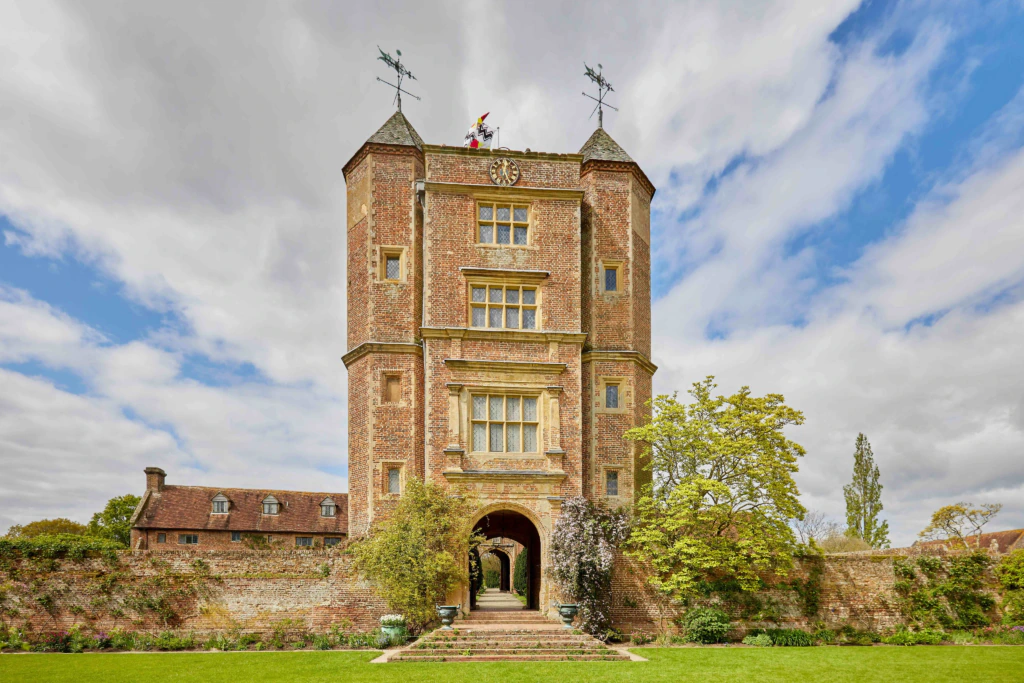
Many visitors to Sissinghurst Castle will be there for the nationally renowned gardens. They might only know of Sackville-West as a gardener, so this exhibition raises awareness of her successful literary career. It also helps to give more context to the site as the place she wrote in and about. It definitely adds more to the visitor experience.
It also tells LGBTQIA+ stories. The importance of this is evident in the feedback left by visitors.
However, the exhibition missed out wider contextual LGBTQIA+ histories, such as the legalities, attitudes and expectations of the times. This would have helped put Sackville-West’s life into the greater context.
The hardest part for me were the text panels, which have a reading age of about 17. The national reading age is nine. Evidence shows that high-level readers also prefer reading at this level, especially when standing or walking around an exhibition.
Readability can be achieved through some simple techniques. These include: putting people at the centre of the story; structuring the text with one headline at the beginning and then detail; posing a question at the start of each paragraph; using plain English and short sentences; using an active tense; unpacking complex words or concepts; using no more than three clauses; using bullet points, lists and diagrams; using images to aid understanding; and by checking that the text is reading age nine.
Many museums are still not making their text readable and accessible. We need to assume most visitors know nothing, so we should focus on clear and simple messages. These messages should engage and inspire people to find out more.
The exhibition interpretation was knowledgeable, insightful and thought-provoking. It would be a shame if anyone missed all this. I also loved that my entry ticket is a bookmark. It’s brilliant.
Su Hepburn is the head of learning and engagement at Brighton & Hove Museums
Project data
Cost
£9,500
Main funder
National Trust
Partnerships
Little Greene
Paints
Little Greene Paintwork; Steve Rivington
Exhibition design and labels
In house (Noël van Riswick; Cassie Dickson)
Label printing
Eden Signs
Marketing
In house
Exhibition ends
7 September
Admission
Adult £19; child (5-17) £9.50; under 5s free