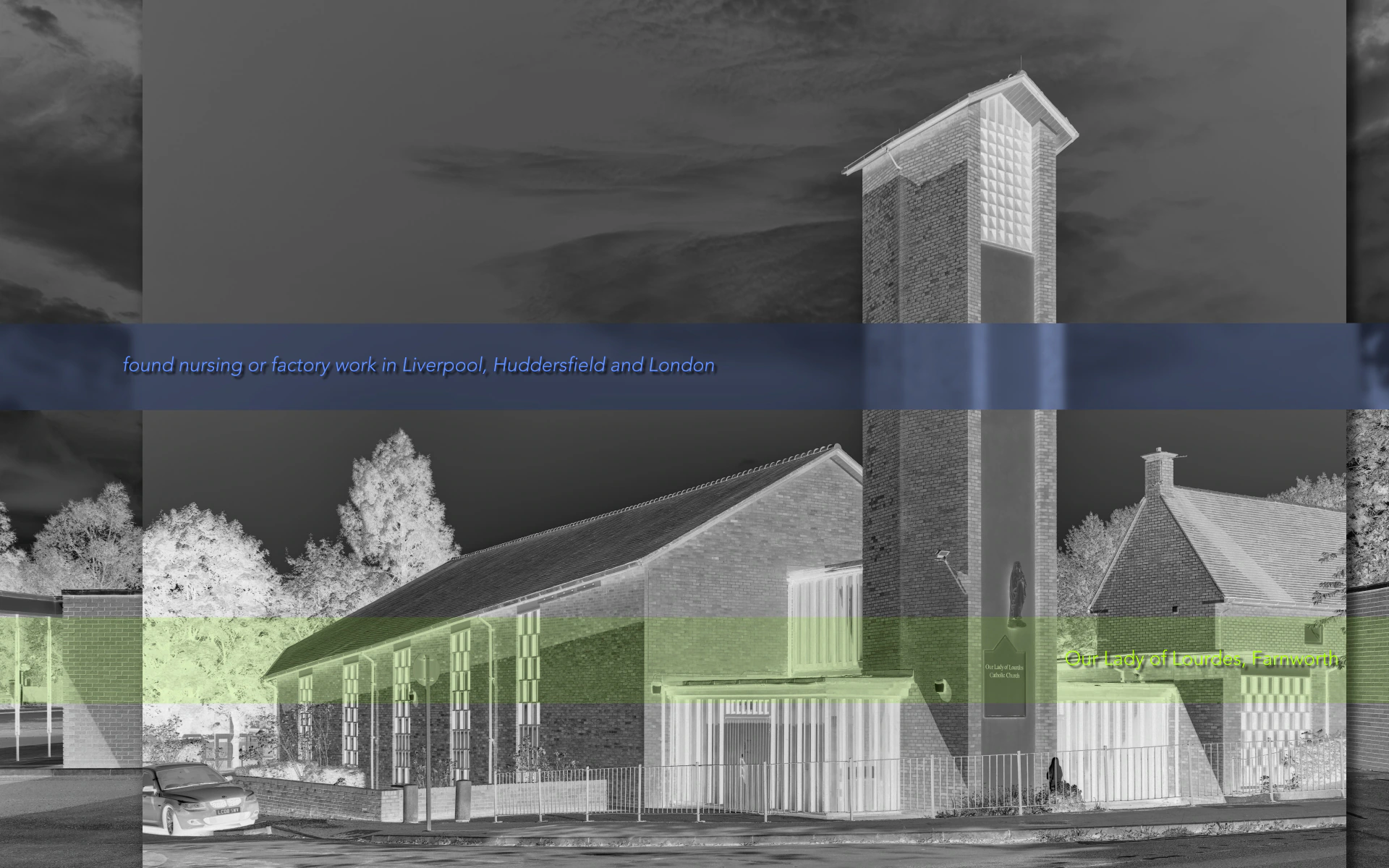
Part of the joy of art biennials is that you are usually guaranteed a few surprises. One of the installations at the Liverpool Biennial, which began on 7 June and runs until 14 September, is a film about the architectural history of Catholic modernist churches in postwar Britain. It doesn’t sound particularly exciting from the description, even for someone like me who is in interested in architecture, but Here We Are by Turner Prize-winning artist Elizabeth Price is fantastic.
Price uses religious buildings to explore ideas around migration, belonging and identity. The photographs, some from the Royal Institute of British Architects archive and others specially commissioned, are fascinating. They are accompanied by compelling music and informative text. It’s a brilliant way to illuminate a subject.
This is the 13th Liverpool Biennial, which began in 1998 and is now UK’s largest free festival of contemporary visual art. It features 30 international artists presented across 10 venues, plus some outdoor works.
The theme is Bedrock, which has provided a firmer foundation for the event than some of the past editions, which have felt slight impenetrable, particularly The Stomach and the Port (2021) and uMoya: The Sacred Return of Lost Things (2023). But creating biennial themes can’t be easy – they have to offer some coherence and structure to what is essentially a group of disparate artists from across the world.
Bedrock is designed to draw on the values and beliefs that Liverpool is grounded in. More explicitly, it is inspired by the sandstone that the city is built on and can be seen its architecture. It is also meant to act as a metaphor for the foundations of Liverpool’s history, including the legacy of empire and slavery. The process of rooting the programme in the city has been further helped this year by that fact that its guest curator, Marie-Anne McQuay, has lived and worked in Liverpool for more than 10 years.
The organisation that runs the biennial also seems on firmer foundations after a tricky few years that included the pandemic and the resignation in 2020 of its director Fatos Üstek, who was reported to have fallen out with the board over the direction of the institution. She has been replaced by Samantha Lackey who joined, initially in an interim basis, from her role as the head of collection and exhibitions at the Whitworth gallery in Manchester.
Advertisement
Lackey has to contend with the challenges that face all big biennials, including securing funding, dealing with numerous stakeholders, and addressing sustainability issues. Key partners are usually a city’s permanent museums and galleries, and biennial directors have to carefully navigate these relationships. They also need to strike the balance between using established cultural venues to host exhibitions, with finding new and interesting locations that are not known for showing art but will appeal to artists and audiences.
As usual, this year’s Liverpool Biennial has gone for a mixed approach, although the majority of exhibitions are at venues that have hosted past biennial exhibitions – Bluecoat, Fact Liverpool, Liverpool Cathedral, Liverpool Central Library, Open Eye Gallery, Tate Liverpool + RIBA North and the Walker Art Gallery, which is part of National Museums Liverpool.
The new biennial venues are 20 Jordan Street, which is in the city’s Baltic Triangle, the Pine Court Housing Association in Chinatown, and The Black-E, an arts and community centre where the Price film is being shown.
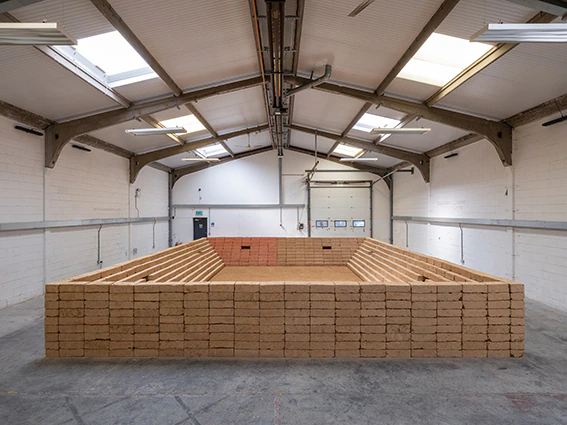
20 Jordan Street is hosting one of the other works I really liked – Turkish-born-artist Cevdet Erek has created a large-scale installation that replicates the atmosphere of a football stadium. Away Terrace (Us and Them) cleverly incorporates musical rhythms, whispered dialogue and crowd recordings that you experience as you look into a stadium-like structure that has been created from layers of dense earth blocks.
A smaller section features blocks that are a different colour to represent the away fans.
The largest venue being used for the biennial is Liverpool’s Anglican cathedral. This huge building is made from sandstone, fitting well with the Bedrock theme. It is Britain's biggest cathedral and the fifth largest in Europe.
Advertisement
There are two works in the cathedral – Ana Navas, who was born in Ecuador, presents a series of ‘glass collages’ in the Lady Chapel, which draw inspiration from the colours and forms found in the clothing and objects within portraits of women from throughout art history.
Cypriot artist Maria Loizidou has created a hanging tapestry of hand-embroidered migratory birds that can be found on Merseyside. The work of both artists is interesting but they get a bit lost in the huge cathedral interiors – even Navas’s work, which is tucked away in the Lady Chapel.
Textile and craft can be seen elsewhere at the biennial, including a striking large-scale work by Polish-born artist Katarzyna Perlak at the Walker Art Gallery. This venue also hosts work that featured at the Venice Biennale as part of Antonio Jose Guzman (Panama) and Iva Jankovic’s (Serbia) Electronic Dub Station’ series.
Titled Concrete Roots, the site-specific installation examines themes of resilience, migration, ecological consciousness and textile traditions through the duo’s use of indigo textiles and dub music soundscapes. The pair are also performing live at the biennial.
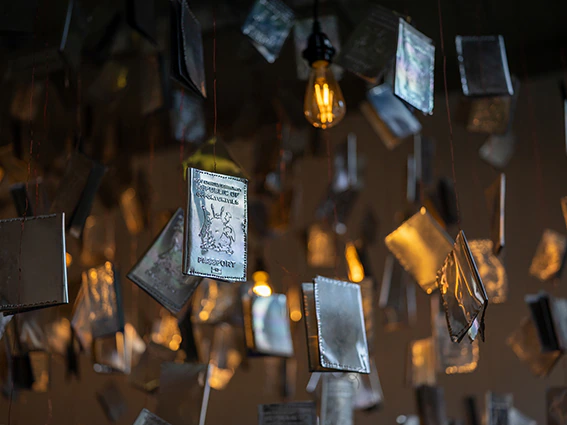
Further into the city centre, the Bluecoat arts centre is showing six artists. Of these, I really liked Odur Ronald’s (Uganda) installation involving a collection of hand-stitched aluminium passports. These are used to address the forced and voluntary migration of African people to Europe.
I was also interested in a film called Dear Othermother by Liverpool artist Amber Akaunu. This celebration of friendship addresses being a single mother in L8, which is one of the oldest Black communities in the UK.
The Open Eye photography gallery near the waterfront hosts three biennial artists. These include another film – a disturbing but intriguing offering from Perlak that is set in the Adelphi Hotel, once a popular destination for wealthy travellers on their way by boat to North America via Liverpool. This is very different from Perlak's work at the Walker Art Gallery and was created with local filmmaking organisation First Take and participants from its Reel: Queer programme.
Advertisement
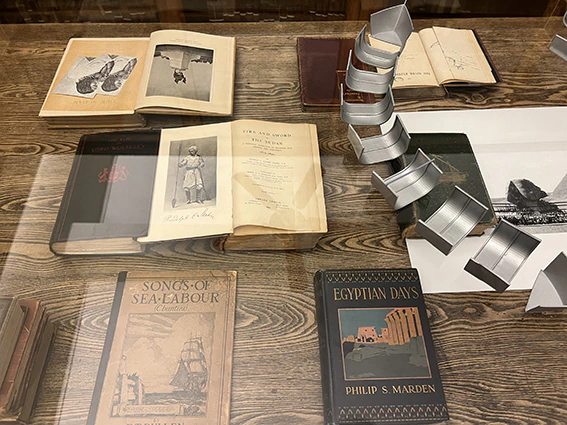
The display that feels most like a traditional museum exhibition is Dawit L Petros, from Eritrea, who presents a research project that explores a historic military expedition to the River Nile from 1884-1885. This was led by the British-led and included French Canadians, Western Canadians and First Nations people. The installation, which has been developed through a residency at Liverpool John Moore’s University, includes sound, video, books and archive material gathered in response to Liverpool’s shipping and empire archives.
The only biennial venue I did not make it to was Fact Liverpool, which has a reputation for showing innovative and challenging exhibitions that focus on contemporary art and technology. The artists represented at Fact – Kara Chin (Singapore), Darch (collaborative practice of Umulkhayr Mohamed and Radha Patel from Bristol/Brigend) and Linda Lamignan (Norway) – explore environmental issues, including links to the colonial trade.
Overall, the 13th Liverpool Biennial feels strongly rooted in the city and has a theme that holds together well. As ever with biennials, the strength of the works on show varies greatly, but there is enough really good stuff to make it an engaging and enjoyable.
It is also worth checking out the catalogue, which features a number of interesting articles, including one by Miles Greenwood, the lead curator of transatlantic slavery and its legacies at NML.
With plans for a major redevelopment of the International Slavery Museum well underway, Greenwood provides a fascinating background to the history of Liverpool’s waterfront and the material evidence (clay tobacco pipes, clay sugar cone moulds, glass bottles, pottery and glass beads) of the city’s role in the global economic system the underpinned enslavement and colonisation. This has added resonance, as he has a personal connection to the docks and their history.
“My paternal ancestors worked on these very docks for generations, in roles that would not exist without the enslavement of people like my maternal ancestors." Greenwood writes.
"As I navigate these spaces each week, I wonder whether any of the pipes beneath the docks were smoked by them, and whether they knew the true cost of the tobacco they held. I wonder whether my ancestor knew that the ropes he was making were to be used aboard ships that carried so many into death and enslavement. Those distances between source, production and product can feel vast, even today.”
Liverpool Biennial's Bedrock theme has helped unearth hidden stories such as this, giving audiences the chance to understand more about the influences that have made the city what it is today.