Web-based app | Art Explorer
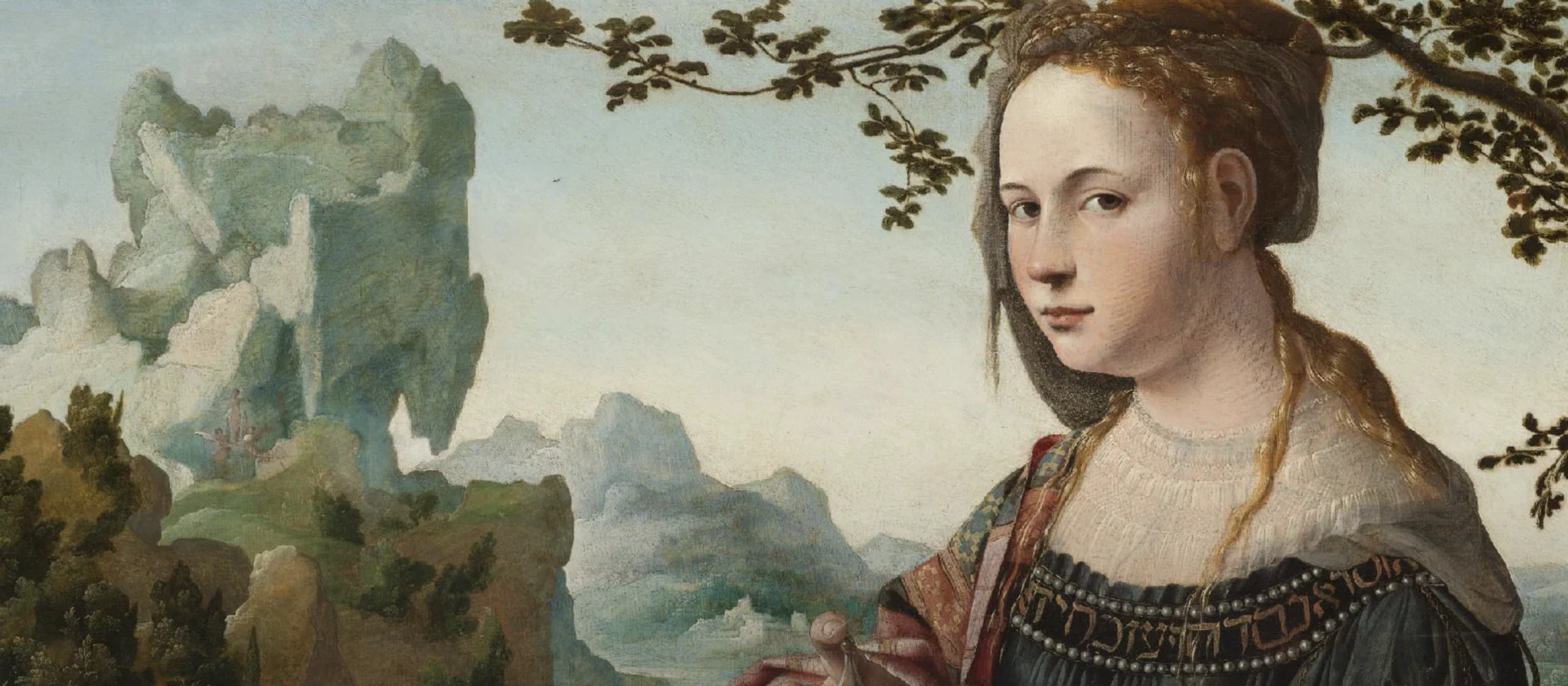
The Rijksmuseum’s Art Explorer, launched in November 2024, sets a high bar for itself in its promise to “surprise you with remarkable artworks” from the Amsterdam museum’s online collection of 800,000 artworks and objects.
This new tool invites users to respond to creative prompts or questions, which it then uses to highlight items from the museum’s collection tailored to their tastes or interests with the help of AI.
I was tempted to believe this would be some sort of museum Myers-Briggs experiment, where the AI-genius of the Art Explorer would reveal the essence of my personality in a uniquely curated mix of art and objects.
The reality was somewhat less compelling. So far, the initial questions posed by the English-language version of the AI tool feel limited. For example: “Tell us about your favourite art” or “What kind of games do you enjoy?”
Once you’ve selected a question, the prompts do become more imaginative, such as: “What does a perfect games night look like?” My answer “noisy and full of laughter” predictably yielded paintings of people making noise and laughing.
Advertisement
The results appear in a grid from which you can select works to add to your own virtual collection, or create sets for comparison. This would be more exciting if you could then probe your interests more deeply. Instead, you have to answer another one of the original questions. It operates more like a light-search tool than an art lover’s ChatGPT, but perhaps that is too high an expectation at this stage.
For now, the Art Explorer feels as if it is in trial-mode, hopefully laying a foundation for a more gamified and interactive approach to the online collection in future.
Podcast | National Museums Liverpool
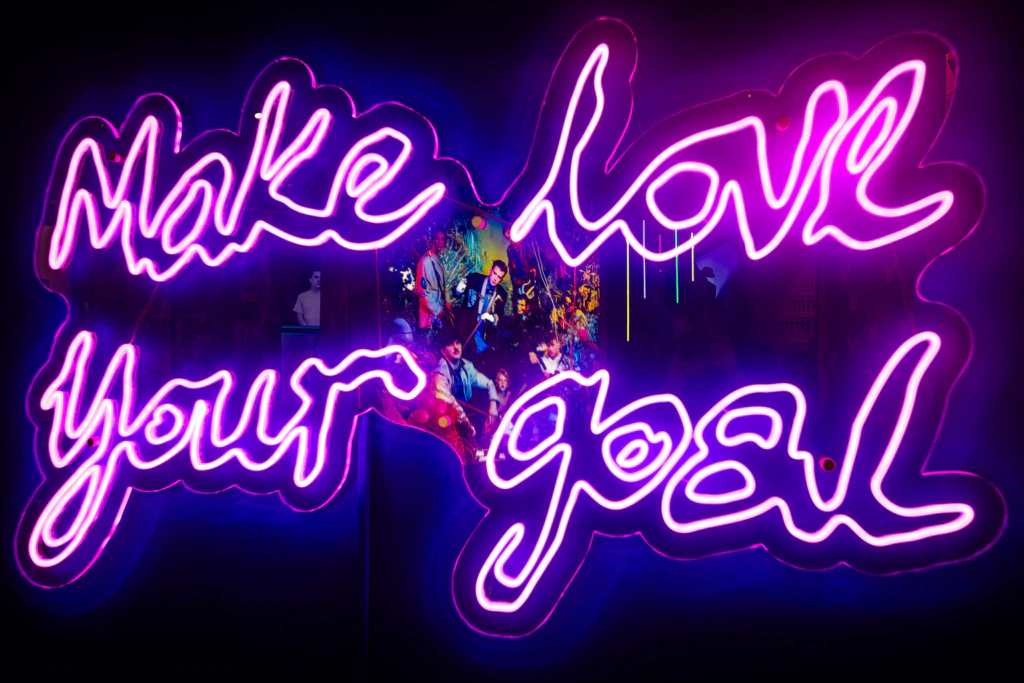
Over two stunning episodes that coincide with the Holly Johnson Story exhibition, the National Museums Liverpool podcast journeys deep into the city’s LGBTQ+ scene in the 1980s.
Narrated by people who lived through – and shaped – this electric but turbulent period, the series uses interviews collected during the curation of the exhibition to create a podcast that stands alone as its own oral history.
Advertisement
I particularly enjoyed the fact that the interviewer’s questions were not included in the final audio, allowing the words of the contributors to flow into each other uninterrupted.
In episode one, set against a background of Thatcherism and high unemployment, we hear the voices of five people who came of age in Liverpool’s gay clubs and grassroots arts spaces. Their stories of finding and making community through music and theatre are joyful and nostalgic, accompanied by an original soundtrack of synth-pop by local artist Mickey Callisto.
The second episode deals with the shadow cast by HIV/Aids and its devastating impact on people’s lives and dreams.
It is impossible to do justice here to the experiences of profound grief, care and solidarity shared by the contributors, so I’ll end with a quote that reflects the overall mood: “We absolutely kept dancing… [and] never stopped learning to love each other in a sense.”
Smartphone app and digital guide | National Coal Mining Museum with Bloomberg Connects
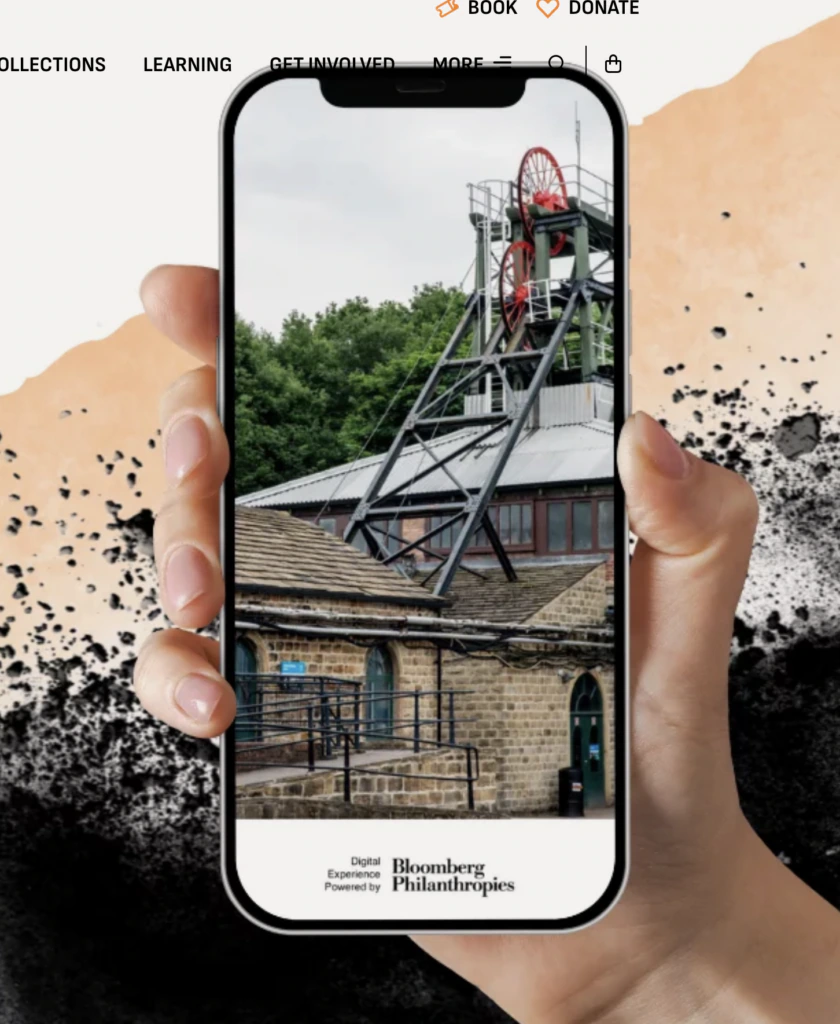
This new digital guide – via a download of the Bloomberg Connects app – offers a comprehensive overview of the museum’s exhibitions and events, as well as selected items from the collection and past exhibitions.
The link to last year’s exhibition on photographer Martyn Pitt, who documented the final years of the coal industry, directs back to a 3D tour on the museum’s website. The combination of images and video is a little cramped on a small screen, but it offers a nice interactive touch for a virtual visitor.
Yosola Olorunshola is a writer and researcher based in Paris