“We are all made of the same clay but not the same mould.”
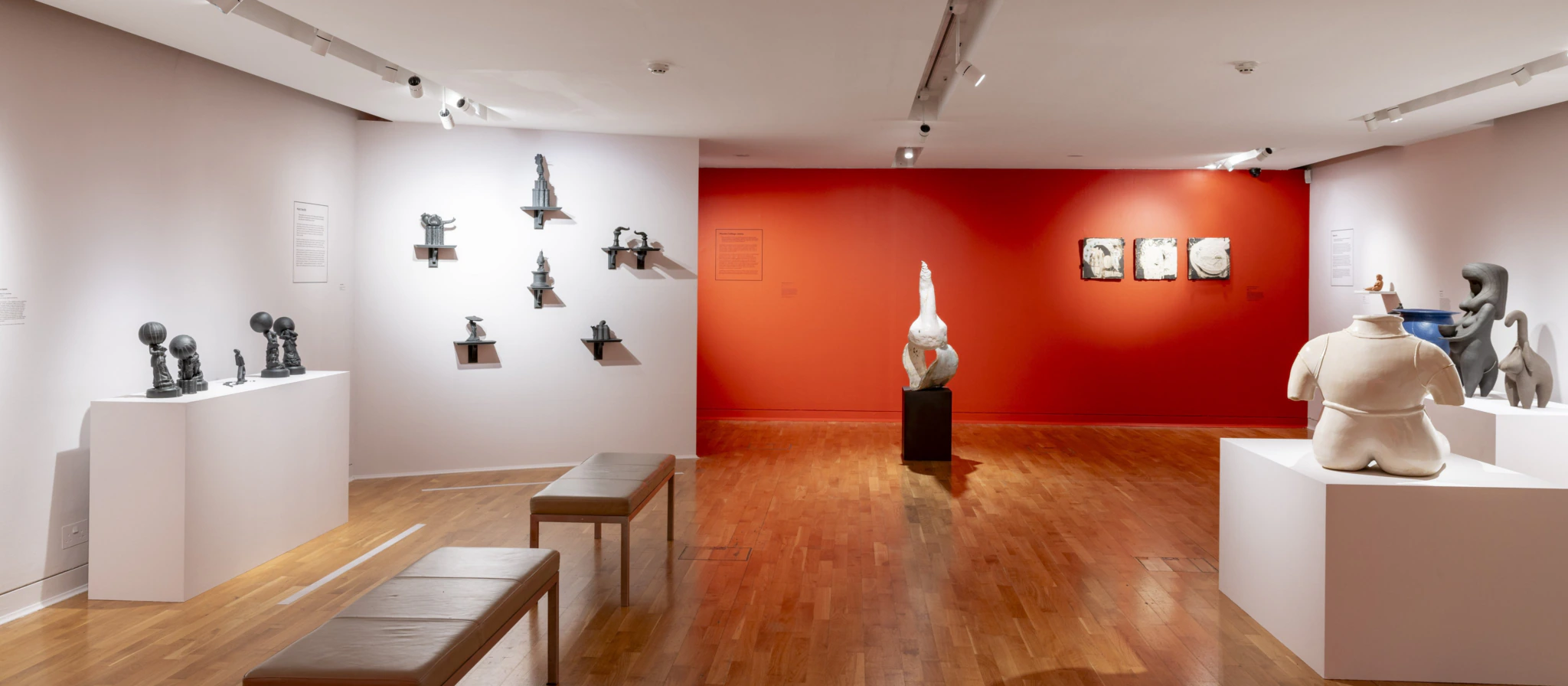
This Mexican proverb is at the entrance of this ceramics exhibition at the Foundling Museum and forms the foundation of its intention. Self-Made: Reshaping Identities (on until 1 June) features the work of four ceramicists, whose collections explore the numerous ways we become moulded by our experiences.
Utilising the malleable properties of clay to represent the forming and reforming of identity, the exhibition presents a rich mix of finishes, from porcelain to terracotta, that explore themes of class, heritage and sexuality.
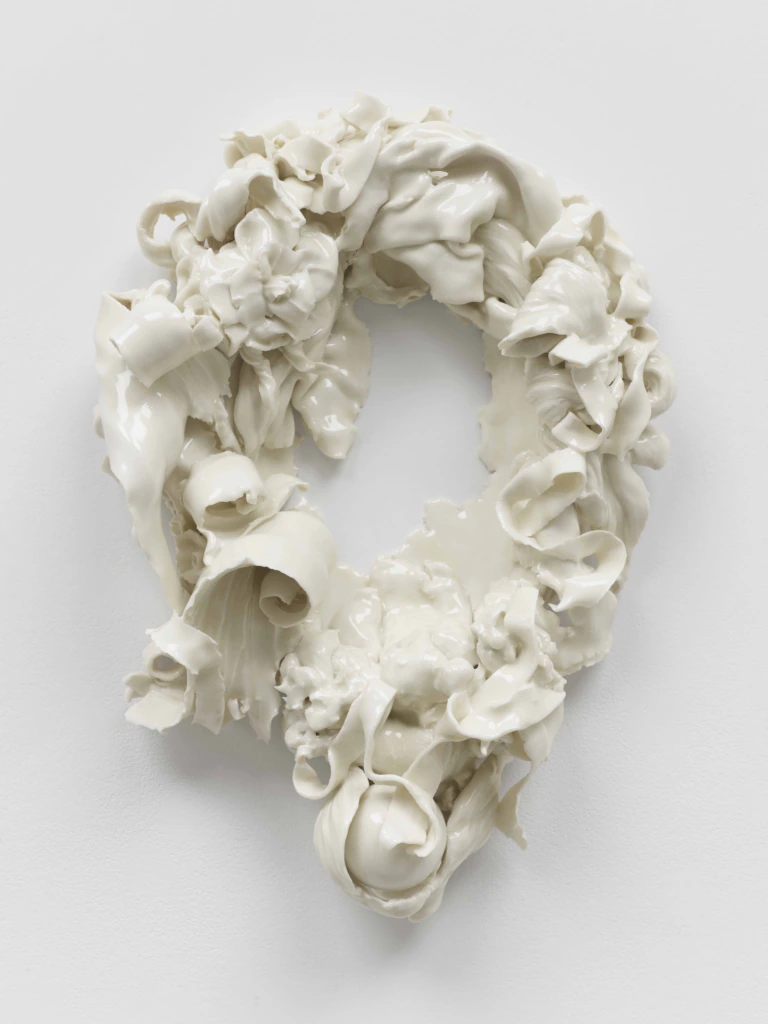
A bright red wall immediately draws you in as you enter, on which hangs a selection of porcelain works by the contemporary artist Rachel Kneebone.
This series of artworks, titled Through a Glass, and have a hollow centre bordered by a delicate yet eclectic mishmash of shapes and textures. Textured ribbon-style shapes feature prominently, a nod to similar motifs featured around the museum – they’re just like the scraps of fabric that were the only worldly possessions of the foundling children left at the old Foundling Hospital, the only connection between their old and new lives.
Advertisement
I found this a poignant link and something that made me reflect on how Kneebone has delicately brought this to life.
Reimaging queerness
Moving into the next section entitled Family Romance, this part of the exhibition takes in artist Matt Smith’s series of earthenware plates that reframe familiar household items through a queer lens. In a tribute to the queer histories that have been lost or forgotten, the plates feature illustrations of subversive couples from the 19th and early 20th centuries.
One features English poet Marguerite Radclyffe Hall, a pioneering author of lesbian literature, and her lover, aristocrat and sculptor Lady Troubridge. The work illustrates Radyclyffe Hall in masculine clothing, which she adopted throughout her life as an unashamed manifestation of her sexuality.
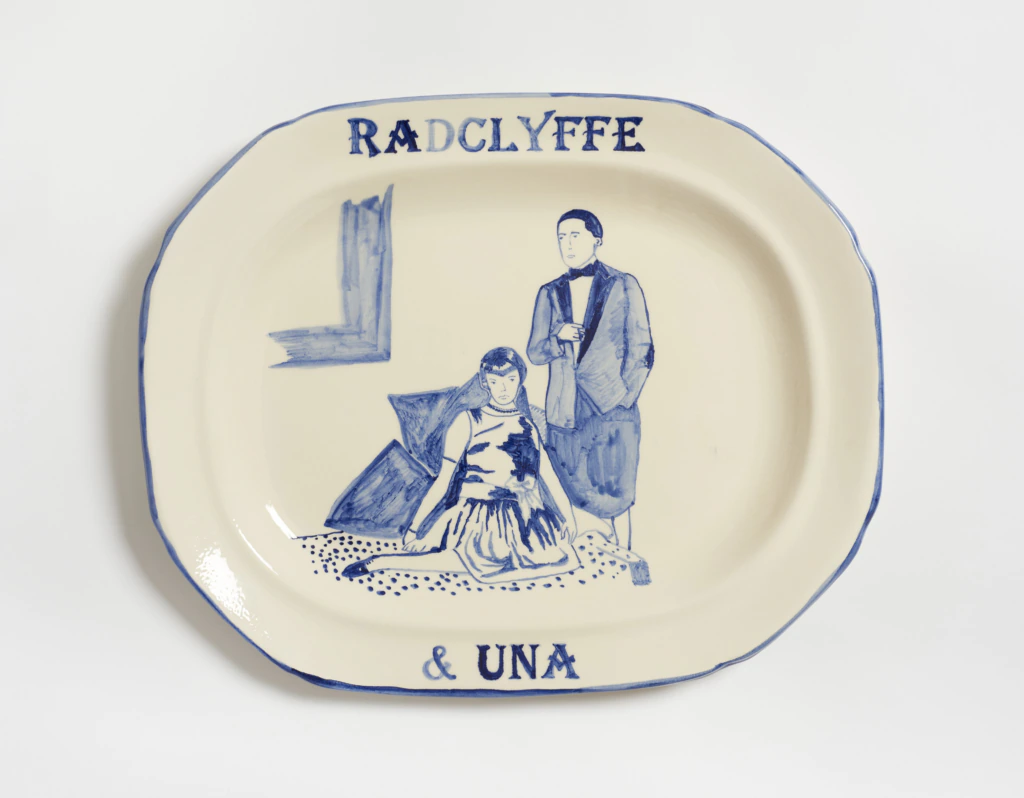
By taking commonplace forms and using them as a medium to platform queer relationships, Smith reminds us of the range of identities that have always been present throughout history.
Advertisement
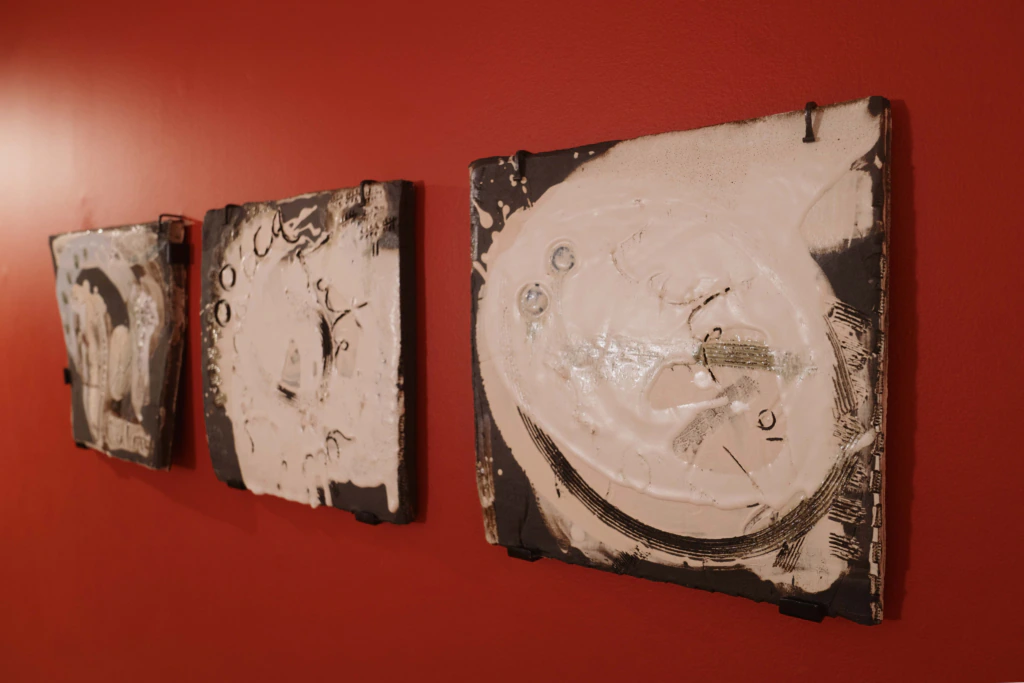
Artist Phoebe Collings-James’s series of clay paintings, Sutre & James son of James, examine themes of violence, sexuality, and black and queer identities. Her series Late or now of Jamaica has been created especially for this exhibition.
She interlays identities through sgraffito, a technique that reveals underlying elements of an artwork (in this case, a painting), that allude to a disconnect between historical narratives and lived experiences, but also have the potential for repair.
The surface of Collings-James’s paintings are also marked with stamps, another motific nod to the Foundling Hospital’s identifying tokens that mothers would leave with their unwanted babies.
Her work encourages you to think about colonialism’s effect on the Foundling Hospital’s original ethos; many wealthy benefactors of the institution had direct links to the mistreatment of children in both former colonies and in Britain’s own poorer communities.
All fired up
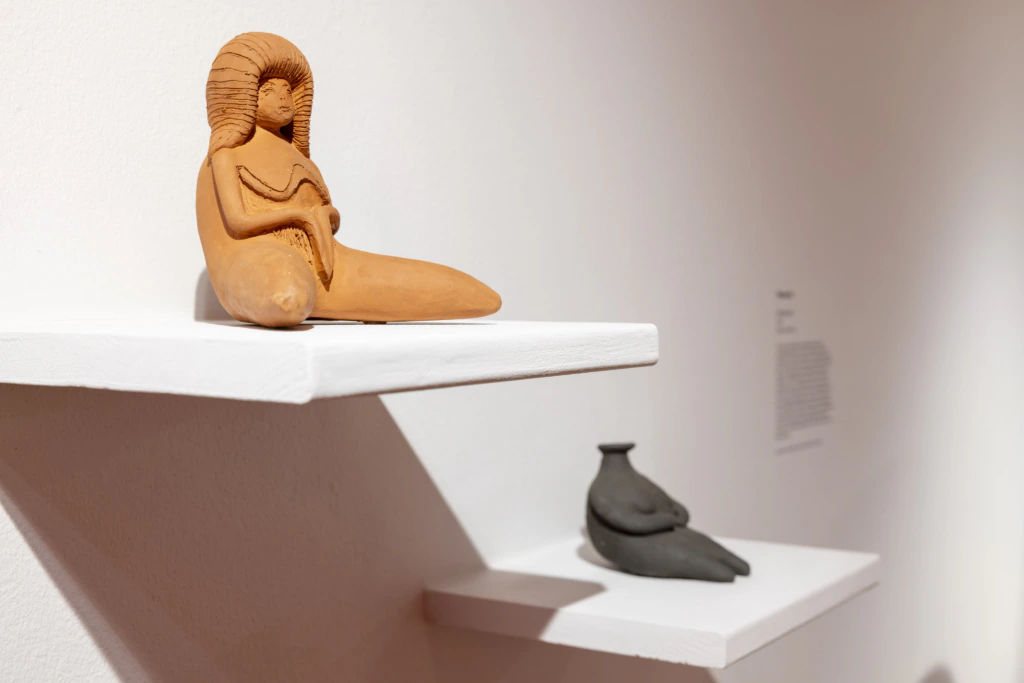
Next is the sculptor Renee So, who reimagines traditional Venus depictions of antiquity in her series of hand-built sculptures and tile works, which explore femininity and motherhood through the lack of identity often ascribed to women.
Advertisement
She weaves fictional personas from different cultures to create unique characters that represent the collective struggles women have faced throughout history.
By alternating figurines with and without heads in her works Unknown Venus and Unknown Woman, So addresses the female body’s lack of “self-determination”.
Mom Jeans II is another stoneware work, but this one draws on working-class history during the French Revloution – a group of women began wearing long trousers instead of silk breeches and became referred to as “sans-culottes”, then denim itself is likely to be “de Nimes” and so the association is made with “mom jeans”.
With this nice nod to a complex history, the work ultimately identifies their current association with motherhood as a practical and comfortable fashion choice, allowing women greater ease of movement.
At the end of the exhibition is an interactive station inviting viewers to feel and explore the process of shaping clay. In shaping clay, you discover how easily cracks and blemishes appear and lead to surprising – but often interesting – outcomes.
Self-Made embraces the flaws and uncertainty in our identities as part of who we are, rather than something to hide. When coupled with a visit to the museum’s ground floor gallery, which covers the history of the Foundling Hospital, this exhibition is an excellent necessary invitation to examine the multifacetedness of identity.
Romy-Elise Journee is a freelance writer