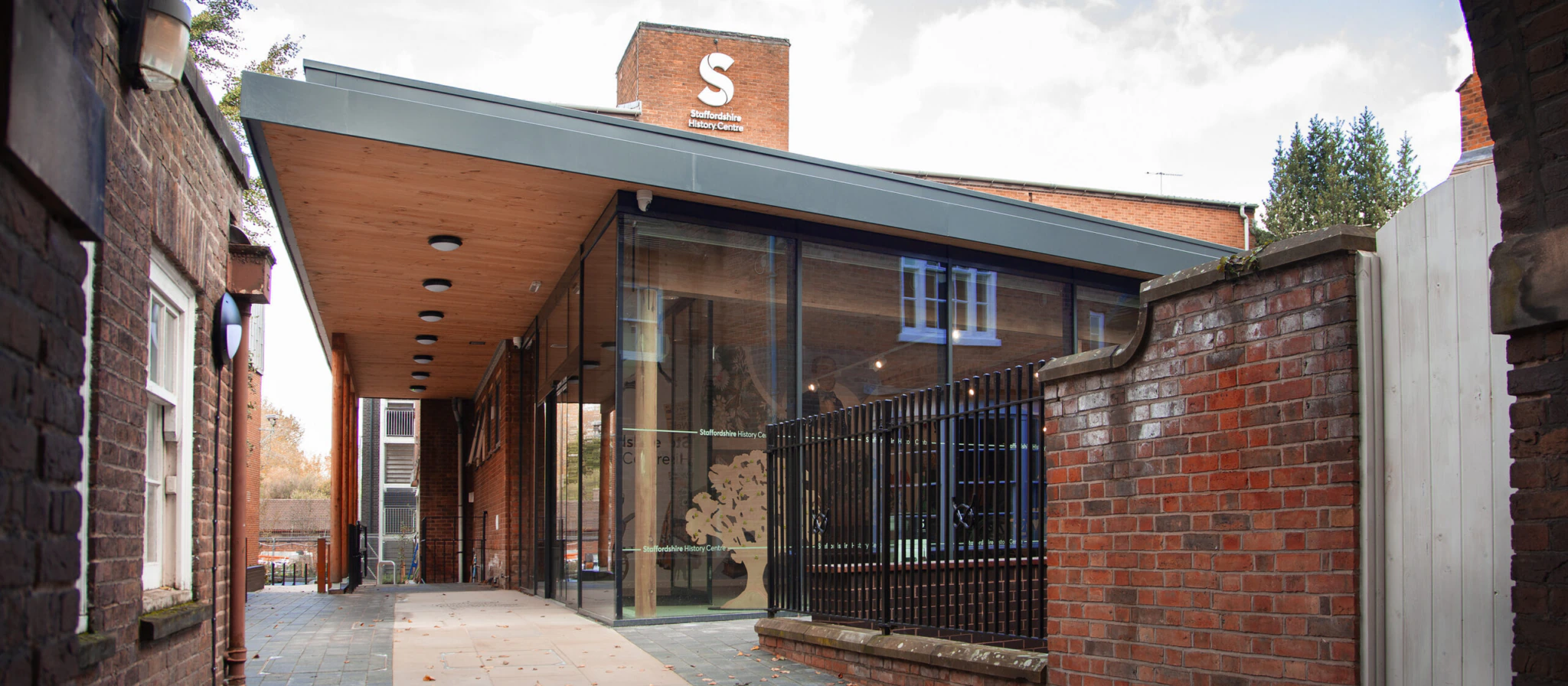
Situated in the heart of the historic town of Stafford, the new Staffordshire History Centre is a compact and perfectly formed introduction to the heritage of this fascinating and occasionally overlooked English county.
Along with the Hold in Ipswich in Suffolk and the Keep on the outskirts of Brighton in Sussex, the newly developed centre continues a trend of co-locating heritage with an archive, museum and a reading library in an accessible location.
The centre brings together, as well as physically connecting the existing Stafford branch of the Staffordshire and Stoke-on-Trent County Records Office, Staffordshire Museum collections and the William Salt Library. A new public indoor space built on top of an external courtyard houses the museum displays.
The William Salt Library, set in an 18th-century townhouse, has been renovated and retells the story of the building as well as William Salt and his collection. Salt was a 19th-century banker from London who, despite having no family connection with the county, was an enthusiast for Staffordshire history.
His widow bequeathed his collection to the county and a charitable trust continues to maintain the library, while also expanding its holdings relating to local history.
Well planned
The Staffordshire History Centre has been 10 years in the making and cost £8.7m. In incorporating various functions, the venue delivers everything a devotee or novice of Staffordshire history would need in terms of a light, airy and comfortable space. Visitors soon discover that there is much more to the county than pottery and ceramics.
Advertisement
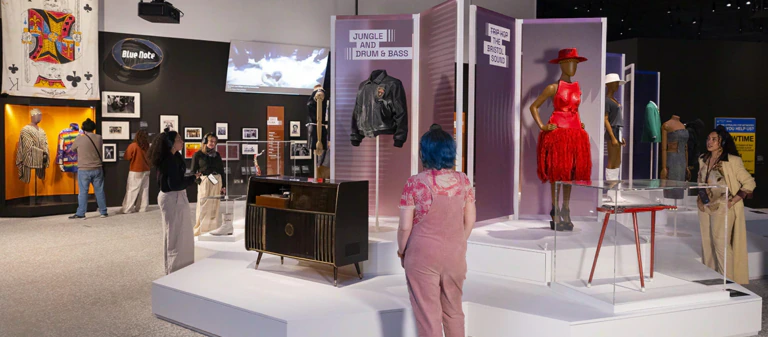
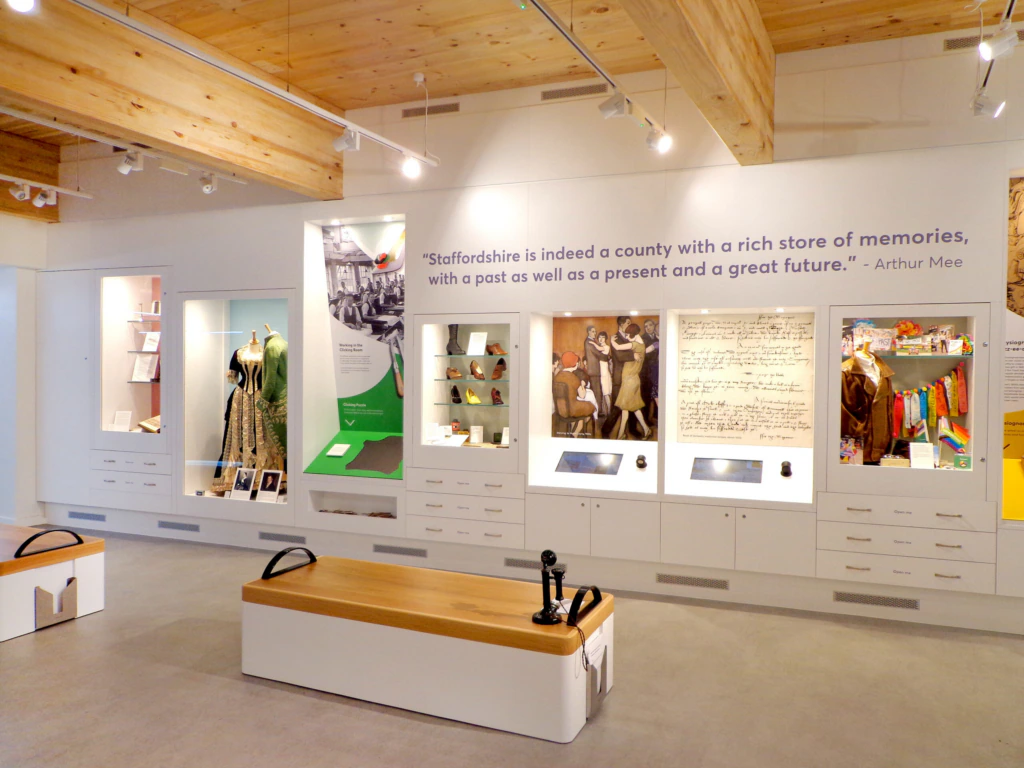
Although the museum element is not huge, it packs in a wide variety of stories relating to the county. There have been considerable efforts to co-produce the museum displays with the community. As a result, the stories told in the displays are eclectic and emphasise a distinctiveness that will be meaningful to locals as well as a curious audience from outside the area.
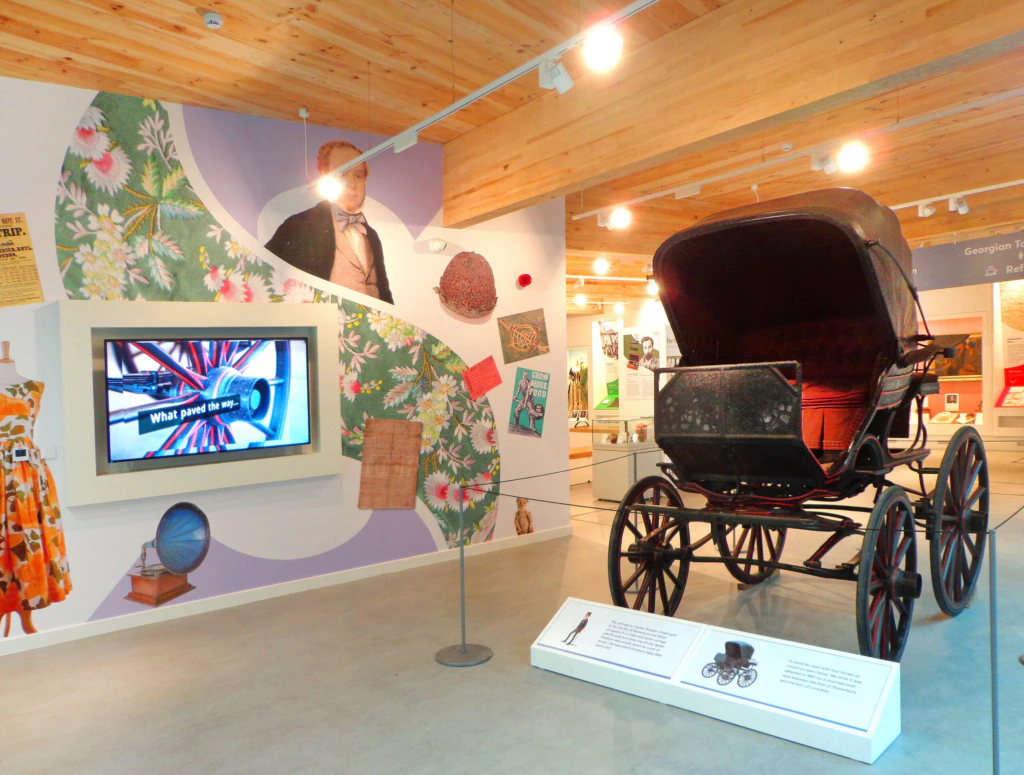
At the entrance is a beautiful spider phaeton carriage – a four-wheeled, horsedrawn carriage called such because it resembles a spider – that was considered sporty in its day.
It is just one example of an extensive collection of vehicles held by the service acquired from the 20th Earl of Shrewsbury and 5th Earl Talbot of Ingestre in Staffordshire (1860-1921), who was a great innovator and adopter of new technologies. Many more objects from the collection are in storage, but behind-the-scenes tours are available to book.
Folk traditions
Nearby, is a large film projection of the Abbots Bromley horn dance, which is celebrated annually in the Staffordshire village of Abbots Bromley. Performed since 1226, the horn dance is one of the UK’s rare enduring folk traditions and involves 12 dancers, six of whom wear reindeer antlers who dance, accompanied by folk musicians, in an area of 10 miles over one Sunday in September. I was pleased to see such an ancient tradition represented.
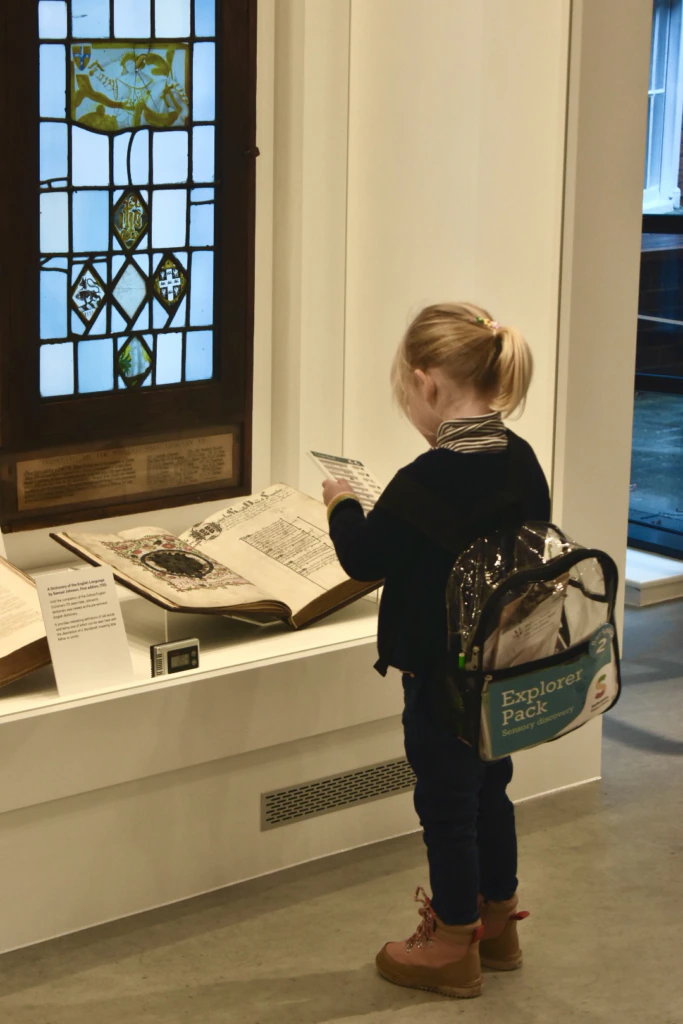
Other significant objects include a first edition dictionary by the 18th-century diarist and dictionary author Samuel Johnson, who was born in nearby Lichfield; a porcelain death mask of William Palmer, a murderer hanged at Stafford Gaol in 1856 accused of a number of poisonings; as well as items relating to the town’s shoe industry.
Advertisement
Sticking point
A key product developed for the shoe industry could even be referred to as the “glue” for this development. Evo-Stick was developed by Stafford company Evode, founded by German Jewish émigré Hermann Simon, and it is still manufactured in the town. The Hildegard Simon charitable trust, set up by the glue-magnate’s family, donated funds towards the development of a well-appointed schools and activity room at the centre.
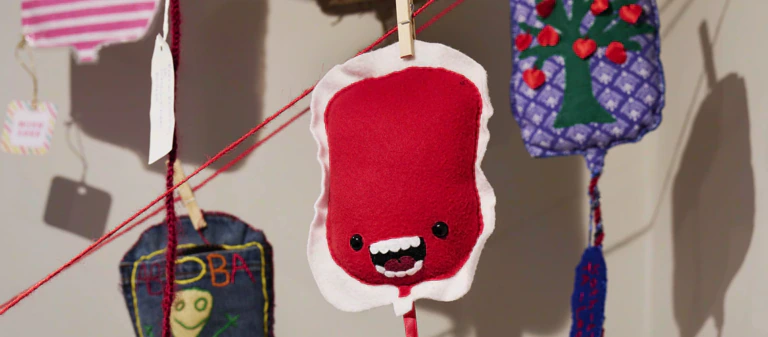
In fact, one of the cornerstones of this development has been an ambitious activity plan that has made connections with a wide variety of community groups – especially local children and young people –who were mostly engaged with the museum’s collection of shoes and textiles.
When I visited, there was a temporary exhibition in the flexible gallery space on the subject of institutional mental healthcare in the county over the past 150 years.
The gallery itself is modern and comfortable with plenty of places to sit. I particularly enjoyed the repurposed telephones dotted around the general museum exhibition where visitors can listen to an extensive number of oral history recordings that relate to the displays.
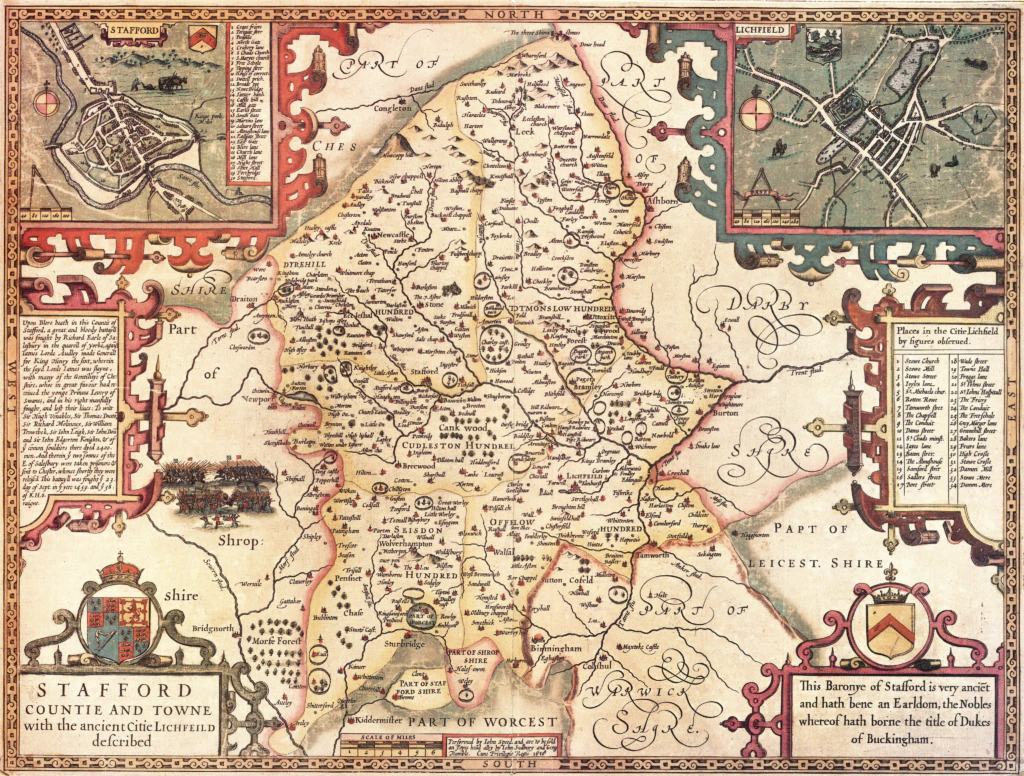
The centre also has a reading room for the County Archives that is connected to the museum displays. The collection is Designated by Arts Council England as being of outstanding national significance.
Advertisement
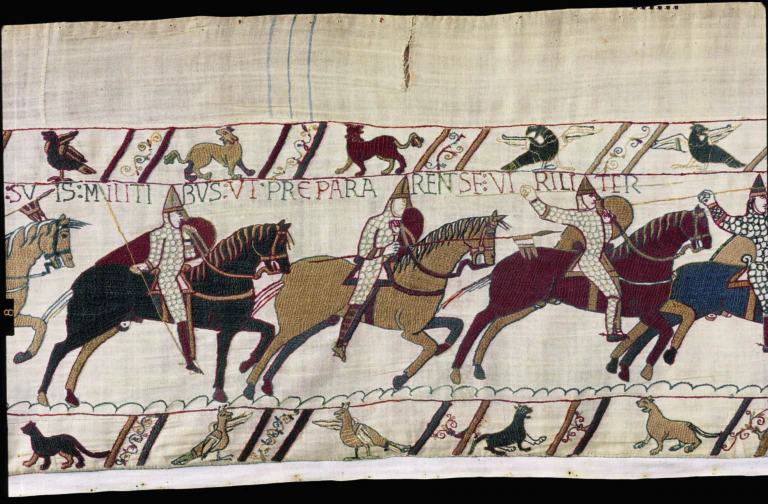
It includes some of the country’s earliest medieval town charters dating from the 1020s and extensive records from the dukes of Sutherland, whose seat was Trentham Hall near Stoke-on-Trent.
The reading room is nicely proportioned and adjacent to a conservation studio where archive and museum collections are worked on by one of the rarest of sector roles – an in-house conservator.
The newly built archive storage facility is impressive. With five stories of space, the centre has plenty of room for acquisitions over the next 50 years. Its newly applied concrete and paintwork was being “off-gassed” (which can take a few months in facilities like this) when I visited, so the first of its holdings will move in this spring.
This development is an excellent example of a sustainable and integrated facility that acts as a springboard for further personal study. A separate research room has IT terminals with free access to websites such as Ancestry, serving the ever-popular desire for family histories.
The focus on an activity plan rather than an overly ambitious capital programme means that services are tailored to the needs of local users. The centre aims to act as a hub for heritage, encouraging visitors to discover other sites of interest, especially in rural parts of the county.
It has a good location, being in the heart of the town, not far from a new shopping development. So far, in the short time that it’s been open, there has been a 250% increase in usage compared with its previous use solely as a records office.
Civic pride
I visited on the day of the official launch and I was struck by the pride that many of the councillors felt for the new development.
The opening, however, coincided with the news that the Museum of Cannock Chase in the south of the county had been earmarked for closure by its district council, which is searching for budget savings.
This was a timely reminder that for all the ambition enabled by capital funding for splendid new facilities such as the Staffordshire History Centre, the financial situation is precarious. There is huge uncertainty in the future of ongoing revenue support for those museums that do vital work to entertain history enthusiasts and inspire newcomers across the UK.
Project data
Cost
£8.7m
Main funders
National Lottery Heritage Fund; Staffordshire County Council; Stafford Borough Council; UK Shared Prosperity Fund; Wolfson Foundation; Trustees of the William Salt Library; Hildegarde Simon Trust
Project management
Staffordshire County Council
Project architect
Pringle Richards Sharratt Architects
Project construction
Pave Aways
Interpretation design
Imagemakers
Digital interpretation design
Wide Sky Design
Cases
Beaufort Bespoke
Admission
Free