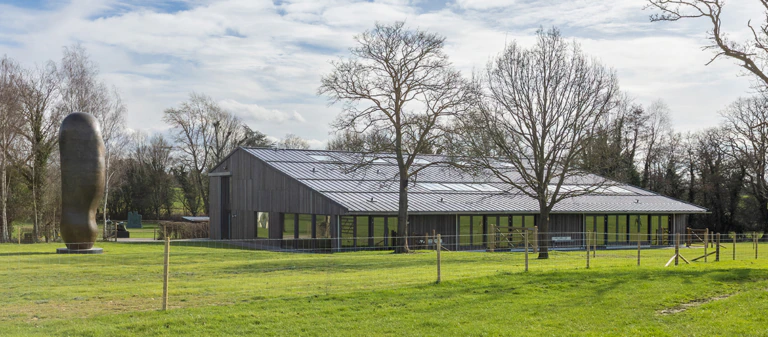
The heart of Stirling Castle, once considered the key to the kingdom of Scotland, is home to the Argyll and Sutherland Highlanders Regimental Museum, often shortened to the Argylls’ Museum. The museum is housed in a building known as the King’s House, believed to have been the private quarters of King James IV and built in about 1490. It is now a fitting home for the Argylls’ regimental collection.
The museum reopened in June 2021 with completely revamped displays, which act on its mission to preserve the legacy of the Argyll and Sutherland Highlanders for future generations. The regiment traces its history back to the raising of the Stirlingshire Militia in 1639, but its present title was created in 1881. Its soldiers have fought in the Napoleonic wars, the Crimean war of 1853-6 and both world wars.
The museum’s redevelopment aims to transform how the story of the regiment is told as well as connect it with the communities that the soldiers came from. It also seeks to engage new audiences interested in learning more about the regiment’s history through its vast collection of objects and stories. To achieve this, the museum carried out a complete reinterpretation, which saw its collections and displays recreated using themes that will appeal to different types of visitors.
The project was funded by the National Lottery Heritage Fund, Historic Environment Scotland and other supporters. Unlike other regimental museums, the Argylls’ new galleries use a thematic approach to interpretation, with the aim of creating something for everyone who visits.
Soldiers' voices
The interpretation is shaped by the social history connected to the objects, with the story of the soldiers and their communities told in a new way for a regimental museum such as this. As a social historian, a highlight for me was reading quotes from members of the regiment alongside the objects displayed.
Advertisement
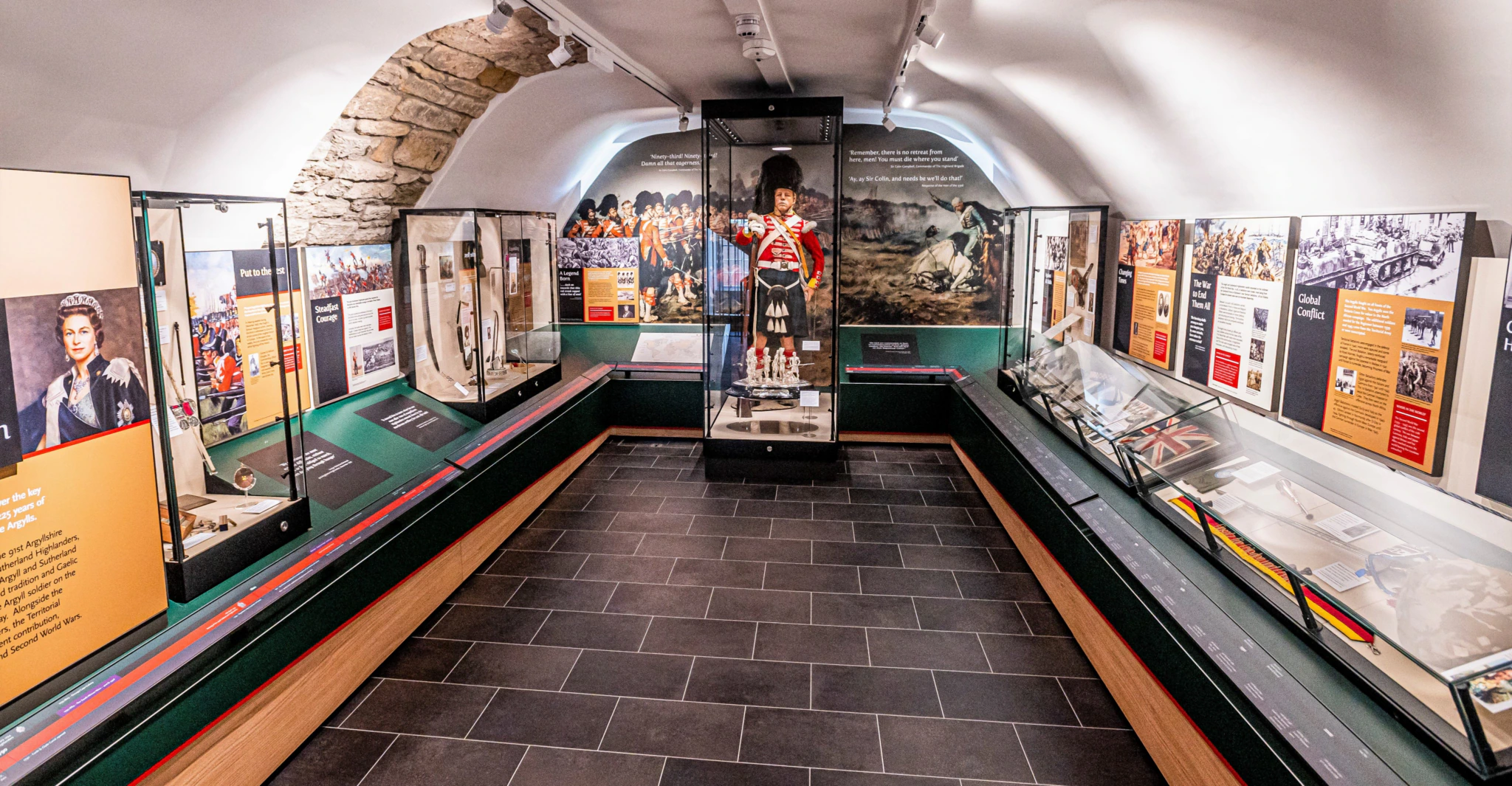
The curatorial decision to include traditional military objects alongside personal items and testimonies is highly commendable. The attention to detail and clear commitment to ensuring there is something for everyone can be seen throughout the museum, but has a particular power in the first-floor galleries. Each display case has a carefully curated selection of objects that combine traditional military items alongside personal items such as letters and photos. The museum communicates the voices and memories of the regiment in a way I have not seen in other military museums.
The redevelopment involved creating a new ground floor gallery, three other new galleries and a retail area. As soon as you enter the museum you are immersed in the origins of the regiment with a focus on the history of the Argylls from the 19th-century until its amalgamation into the Royal Regiment of Scotland in 2006.
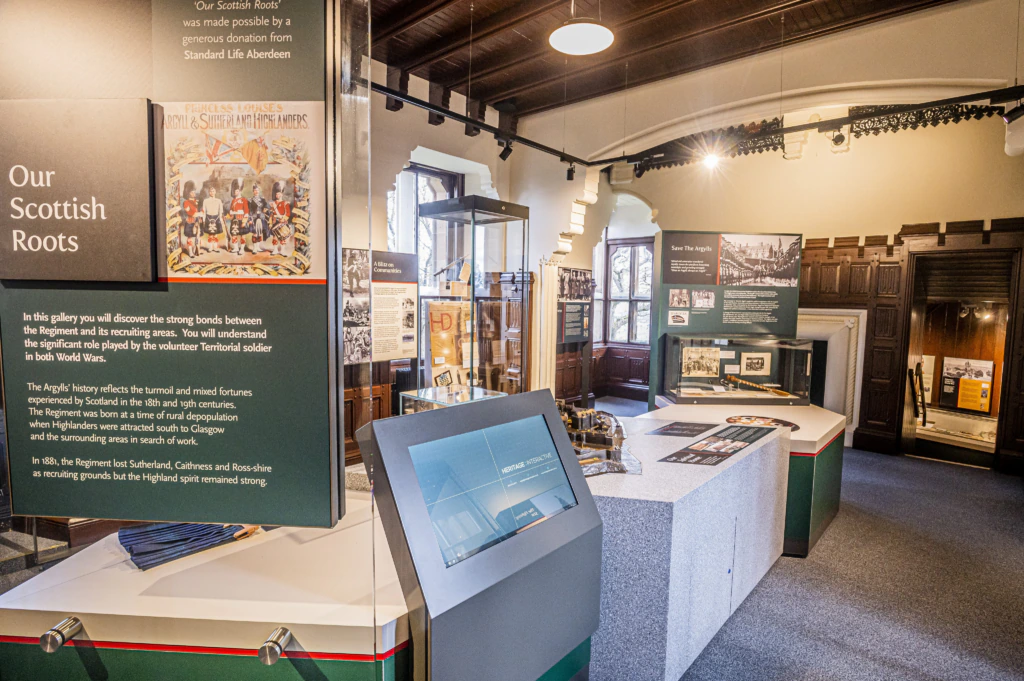
Visitors climb the purpose-built, free-standing staircase to the second floor where there is a gallery of portraits and objects relating to the colours of the regiment. People familiarise themselves with the early history of the regiments, then travel back down to a different section of the first floor, which is focused on more recent history during the world wars, with a particular emphasis on medical and social history.
Military and domestic life
The first floor starts by explaining the connection of the regiment to Stirling Castle and Scotland and carries this theme, as well as the Argylls’ links across the world, throughout the galleries. The displays discuss the role of the regiment during both world wars, exploring the battlefront, the home front and domestic life for the families of the soldiers.
Advertisement
Next is an impressive gallery that discusses the medical history of the military. These displays show that while wars have devastating impacts in the world, many advances in medicine have been made as a result of conflict. At the centre of the room is a 3D model of the human body placed on a life-sized photo of a soldier, with flip-up information. This leads into a gallery focusing on the spirit of the Argylls and their communities, with an emphasis on music and sport and ceremonies that acknowledge their service to the crown, before ending with a look at the lasting legacies of the regiment.
Unfortunately, one of the biggest consequences of the Covid restrictions in place when I visited was the limitations on the museum’s new areas and interactive components – namely, the Our Argyll Family and the Officer’s Mess areas, which were closed at the time.
Throughout the museum there are inactive screens, which would ordinarily play films with photos based on the themes of the rooms. One screen indicates that there are plans to organise interviews with families in the regiment to learn more about the lives of the Argylls. An engagement tool that was available was the scavenger hunt for Lego figures that are hidden in the museum’s displays. This is aimed at families and the figures reflect the theme of the displays in which they are found.
Access is an issue at the museum, which is not wheelchair accessible. Information is generally clear, but some panels use white fonts on light backgrounds, which some visitors may find difficult to read.
Overall, the revamped Argyll and Sutherland Highlanders Regimental Museum is a triumph for communicating the history of the regiment using a thematic approach to successfully engage a range of audiences. I look forward to revisiting the museum when all of its features are up and running.
Project data
Cost
£4m
Main funders
National Lottery Heritage Fund; Historic Environment Scotland; Museums Galleries Scotland; The Stafford Trust; Thomas Tunnock
Project management
Currie Brown
Architect
LDN Architects
M&E engineer
Harley Haddow
Structural engineer
David Narro Associates
Main construction
Taylor and Fraser
Museum design and graphic design
PLB Projects
Exhibition fit out
Elmwood Projects
Display cases
Glasshaus
Graphic design printing
Leach
Graphic design
The Malting House Design Studio
Audiovisual hardware
Heritage Interactive
Audiovisual software
Freak Films
Interactive displays
FifeX
Display mounts
Activation
Conservation
Foursticks Framing; Frames Gallery; Morrison-Ignatieff Silversmiths; Ottolini French Polishers; Sylvia Kraus Paintings Conservation; Younger Conservation
Admission
Free