“Four years ago, we marked the centenary of the start of the first world war with a popular exhibition about trench art. It was relatively small and, since then, we have often thought there was scope for a show involving pieces made in extreme circumstances but covering a larger time period.
This exhibition, Created in Conflict: British Soldier Art from the Crimean War to Today, brings together items made over a 150-year period by British soldiers in captivity or during their recuperation. These are augmented by paintings, photographs and collaborations between veterans and contemporary artists. There are some potentially deadly things designed to kill people turned into highly-charged objects with a very different feel such as a backgammon board made from the lid of an explosives crate.
We don’t regard this as a comfortable show and we want visitors to feel both better and worse about the nature of war. It is divided into themes, such as the ways in which soldiers kept in touch with home and how they made their environment as homely as possible. The exhibition also asks questions about patriotism, loyalty and the treatment of veterans.
This portrait hangs in the section exploring the creativity of soldiers during their rehabilitation, which was often marked by boredom and frustration.
The man is Private Walker and the card on the wall says he sustained a head wound at the Battle of Inkerman (1854) during the Crimean war. He is a war hero, but this intimate portrayal of his recovery is not a particularly heroic image. It also challenges our expectations of military masculinity by showing a soldier sewing. Does the placement of those scissors also suggest some kind of emasculation, I wonder.
Walker became a poster boy for the Crimean war. While in hospital at Fort Pitt in Kent, he was visited by Queen Victoria, who wrote an account of the meeting in her diary, describing how impressed she was even though he was suffering ‘a little giddiness’.
She bought a patchwork from him, which the press reported as being an example of self-help and improvement at a time when there were concerns about how society should treat wounded veterans and reintegrate them into everyday life.
The painting was subsequently presented by the artist’s nephew to the Royal College of Surgeons as the patient’s positive prognosis was testament to the skill of his doctors.
In a way, this is a straightforward piece of propaganda. Here’s a veteran with every chance of making a good recovery from a serious injury doing something useful in the snowy white bedsheets of an obviously spotless hospital.
But it does raise questions about how men feel at terrible moments in their lives, not least by the fact that Walker is portrayed making a quilt out of the uniform of a fallen comrade.”
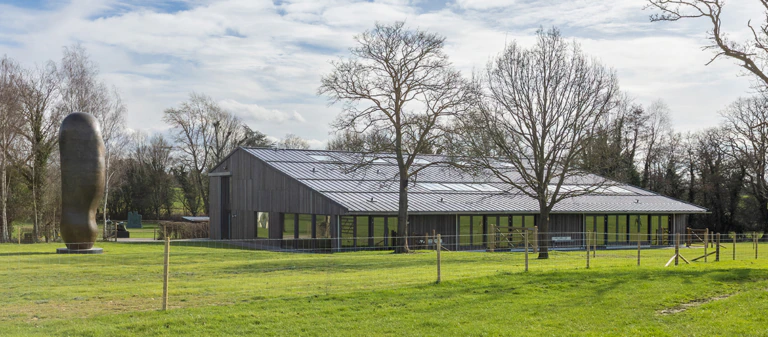
Interview by John Holt. Created in Conflict: British Soldier Art from the Crimean War to Today runs at Compton Verney art gallery in Warwickshire until 10 June
This exhibition, Created in Conflict: British Soldier Art from the Crimean War to Today, brings together items made over a 150-year period by British soldiers in captivity or during their recuperation. These are augmented by paintings, photographs and collaborations between veterans and contemporary artists. There are some potentially deadly things designed to kill people turned into highly-charged objects with a very different feel such as a backgammon board made from the lid of an explosives crate.
We don’t regard this as a comfortable show and we want visitors to feel both better and worse about the nature of war. It is divided into themes, such as the ways in which soldiers kept in touch with home and how they made their environment as homely as possible. The exhibition also asks questions about patriotism, loyalty and the treatment of veterans.
This portrait hangs in the section exploring the creativity of soldiers during their rehabilitation, which was often marked by boredom and frustration.
The man is Private Walker and the card on the wall says he sustained a head wound at the Battle of Inkerman (1854) during the Crimean war. He is a war hero, but this intimate portrayal of his recovery is not a particularly heroic image. It also challenges our expectations of military masculinity by showing a soldier sewing. Does the placement of those scissors also suggest some kind of emasculation, I wonder.
Walker became a poster boy for the Crimean war. While in hospital at Fort Pitt in Kent, he was visited by Queen Victoria, who wrote an account of the meeting in her diary, describing how impressed she was even though he was suffering ‘a little giddiness’.
She bought a patchwork from him, which the press reported as being an example of self-help and improvement at a time when there were concerns about how society should treat wounded veterans and reintegrate them into everyday life.
The painting was subsequently presented by the artist’s nephew to the Royal College of Surgeons as the patient’s positive prognosis was testament to the skill of his doctors.
In a way, this is a straightforward piece of propaganda. Here’s a veteran with every chance of making a good recovery from a serious injury doing something useful in the snowy white bedsheets of an obviously spotless hospital.
But it does raise questions about how men feel at terrible moments in their lives, not least by the fact that Walker is portrayed making a quilt out of the uniform of a fallen comrade.”
Interview by John Holt. Created in Conflict: British Soldier Art from the Crimean War to Today runs at Compton Verney art gallery in Warwickshire until 10 June