A special track runs from the high mountains of the UK’s latest World Heritage Site down to the sea, past Herdwick sheep and happy campers. This is a narrow-gauge railway, known affectionately as “La’al Ratty” (little rat run) and officially as the Ravenglass and Eskdale Railway (R&ER).
Like many of our modern rural retreats (the Cornish clifftops, for example), West Cumbria was once a heavily industrialised area. The original “Old Ratty” railway was built to transport iron ore to the steel works at Barrow and on to the main line. From its early days it also served as a passenger line for the people of the remote Eskdale valley, and since 1960 it has been a successful tourist attraction.
A museum collection, which was started to mark the railway’s centenary in 1976, was displayed in a former platform shelter. The collection now operates as a separate charity. The three associated railway organisations occupy a site adjacent to the mainline railway in the coastal village of Ravenglass and appear to run as a harmonious unit, unified by the smart, hematite red livery and clear branding.
The museum reopened in June this year after a Heritage Lottery Fund-backed project, which allowed the venue to extend the space available for its growing collection, increase the community and educational use of the site, and make it appealing to a broad tourist audience.
Full steam ahead
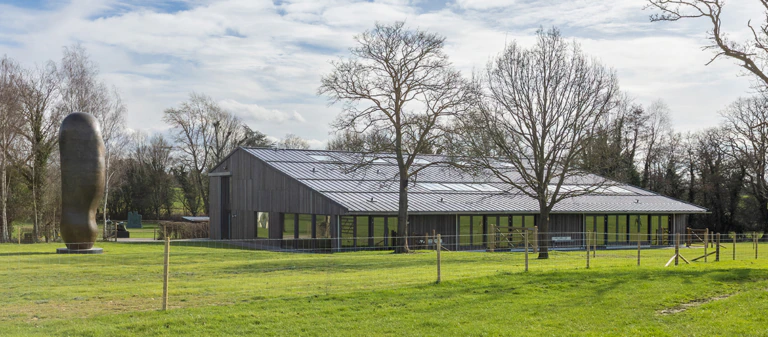
The museum is free to visit but the understated entrance does not make this clear. It should be shouting about this from the rooftops. I imagine many people often wait for their train ride unaware there is a free museum that they could spend time in.
There were no staff to welcome visitors when I entered, but the initial interactive that visitors encounter, and the subject matter of the first space, is so engaging that this did not appear to be an issue.
The savings on staffing and precious volunteering resources clearly add to the viability of the business model, but it does have its disadvantages – there’s nobody to consistently pick up on minor glitches (the sign slipping off the wall, or hands-on activities in a mess) and nobody to answer questions. Security and health and safety could be compromised too, especially with a lot of industrial metal objects on open display.
The first space is a large and modern train shed, packed with rolling stock illustrating all the incarnations of the line from freight to tourism. What follows is a more traditional museum exhibition in both scale and layout telling the history of the line.
Stories and surprises
There is a haven of calm halfway through the tour by way of the Big Saloon, a refreshingly empty space with seating and a slideshow of fine 19th-century photographs by Mary Fair. Throughout the museum, the interpretation is bright (with colours matching the railway’s livery) and fresh without the design ever being intrusive.
There are some great surprises and stories in the venue. The small temporary exhibition gallery towards the end is designed to be flexible and easy to redisplay, and the museum invites local groups to exhibit or co-curate displays in this space.
The designers, staff and volunteers have created a balance between the technological, industrial and human histories of the line. The story is presented thematically, which works well, although the layout can make it hard to follow a chronological narrative if that’s what you prefer.
Not so fast
There is a lot of good information written in a clear, informal style with a strong hierarchy that is not overwhelming. The “ratty people” featured in each section is a lovely way to ensure the personal story is present throughout, with quotes and anecdotes to ground the more factual information. One elderly woman apparently refused a ride on the notoriously slow service saying: “Nay, ah’s in a hurry!”
There are names some visitors might recognise too: WJ Bassett-Lowke, the model train maker, reopened the line in 1915, and Reverend Awdry (the author of Thomas the Tank Engine) based three of his characters – Rex, Bert and Mike – on R&ER engines called the River Esk, River Irt and River Mite.
The careful balance of objects, and pleasingly large high-quality images, engaging hands-on interactives and well-chosen audiovisual material means that a variety of audiences with a range of learning styles and levels of understanding, from toddlers to railway enthusiasts, can enjoy the spaces together.
Visitors learning about railway trades, or “ratty jobs”, can try on replica costumes, lift a jolly painted hat to read a description of roles, watch a video on engine maintenance or listen to volunteers involved with the line. There are a couple of neat and useful dioramas with model trains, but none, alas, move along their miniature tracks – leaving plenty of scope for model railway enthusiasts to get on board with the museum.
One area suffers from a bit of noise bleed and some audio material would benefit from headphones, but generally the interpretation is a delight.
The undoubted triumph is the cross-sectioned boiler at the entrance, adapted to show how a steam engine works. Most importantly, it gives visitors the opportunity to drive a steam train, sound the whistle, pick up speed and check the fire box. It’s irresistible.
Sue Mackay is the curator and manager at Keswick Museum & Art Gallery in Cumbria and a Museums Association board member
Main funders Heritage Lottery Fund £488,700; Ravenglass & Eskdale Railway Company; Ravenglass & Eskdale Railway Preservation Society; Copeland Community Fund; Fisheries Local Action Group; Garfield Weston Fund
Contractors Crowe Plant Hire; Smithy Joinery Exhibition design and build Headland Design
Exhibition ends Train from Spain, until December
Admission Free
Like many of our modern rural retreats (the Cornish clifftops, for example), West Cumbria was once a heavily industrialised area. The original “Old Ratty” railway was built to transport iron ore to the steel works at Barrow and on to the main line. From its early days it also served as a passenger line for the people of the remote Eskdale valley, and since 1960 it has been a successful tourist attraction.
A museum collection, which was started to mark the railway’s centenary in 1976, was displayed in a former platform shelter. The collection now operates as a separate charity. The three associated railway organisations occupy a site adjacent to the mainline railway in the coastal village of Ravenglass and appear to run as a harmonious unit, unified by the smart, hematite red livery and clear branding.
The museum reopened in June this year after a Heritage Lottery Fund-backed project, which allowed the venue to extend the space available for its growing collection, increase the community and educational use of the site, and make it appealing to a broad tourist audience.
Full steam ahead
The museum is free to visit but the understated entrance does not make this clear. It should be shouting about this from the rooftops. I imagine many people often wait for their train ride unaware there is a free museum that they could spend time in.
There were no staff to welcome visitors when I entered, but the initial interactive that visitors encounter, and the subject matter of the first space, is so engaging that this did not appear to be an issue.
The savings on staffing and precious volunteering resources clearly add to the viability of the business model, but it does have its disadvantages – there’s nobody to consistently pick up on minor glitches (the sign slipping off the wall, or hands-on activities in a mess) and nobody to answer questions. Security and health and safety could be compromised too, especially with a lot of industrial metal objects on open display.
The first space is a large and modern train shed, packed with rolling stock illustrating all the incarnations of the line from freight to tourism. What follows is a more traditional museum exhibition in both scale and layout telling the history of the line.
Stories and surprises
There is a haven of calm halfway through the tour by way of the Big Saloon, a refreshingly empty space with seating and a slideshow of fine 19th-century photographs by Mary Fair. Throughout the museum, the interpretation is bright (with colours matching the railway’s livery) and fresh without the design ever being intrusive.
There are some great surprises and stories in the venue. The small temporary exhibition gallery towards the end is designed to be flexible and easy to redisplay, and the museum invites local groups to exhibit or co-curate displays in this space.
The designers, staff and volunteers have created a balance between the technological, industrial and human histories of the line. The story is presented thematically, which works well, although the layout can make it hard to follow a chronological narrative if that’s what you prefer.
Not so fast
There is a lot of good information written in a clear, informal style with a strong hierarchy that is not overwhelming. The “ratty people” featured in each section is a lovely way to ensure the personal story is present throughout, with quotes and anecdotes to ground the more factual information. One elderly woman apparently refused a ride on the notoriously slow service saying: “Nay, ah’s in a hurry!”
There are names some visitors might recognise too: WJ Bassett-Lowke, the model train maker, reopened the line in 1915, and Reverend Awdry (the author of Thomas the Tank Engine) based three of his characters – Rex, Bert and Mike – on R&ER engines called the River Esk, River Irt and River Mite.
The careful balance of objects, and pleasingly large high-quality images, engaging hands-on interactives and well-chosen audiovisual material means that a variety of audiences with a range of learning styles and levels of understanding, from toddlers to railway enthusiasts, can enjoy the spaces together.
Visitors learning about railway trades, or “ratty jobs”, can try on replica costumes, lift a jolly painted hat to read a description of roles, watch a video on engine maintenance or listen to volunteers involved with the line. There are a couple of neat and useful dioramas with model trains, but none, alas, move along their miniature tracks – leaving plenty of scope for model railway enthusiasts to get on board with the museum.
One area suffers from a bit of noise bleed and some audio material would benefit from headphones, but generally the interpretation is a delight.
The undoubted triumph is the cross-sectioned boiler at the entrance, adapted to show how a steam engine works. Most importantly, it gives visitors the opportunity to drive a steam train, sound the whistle, pick up speed and check the fire box. It’s irresistible.
Sue Mackay is the curator and manager at Keswick Museum & Art Gallery in Cumbria and a Museums Association board member
Project data
Cost £700,000Main funders Heritage Lottery Fund £488,700; Ravenglass & Eskdale Railway Company; Ravenglass & Eskdale Railway Preservation Society; Copeland Community Fund; Fisheries Local Action Group; Garfield Weston Fund
Contractors Crowe Plant Hire; Smithy Joinery Exhibition design and build Headland Design
Exhibition ends Train from Spain, until December
Admission Free