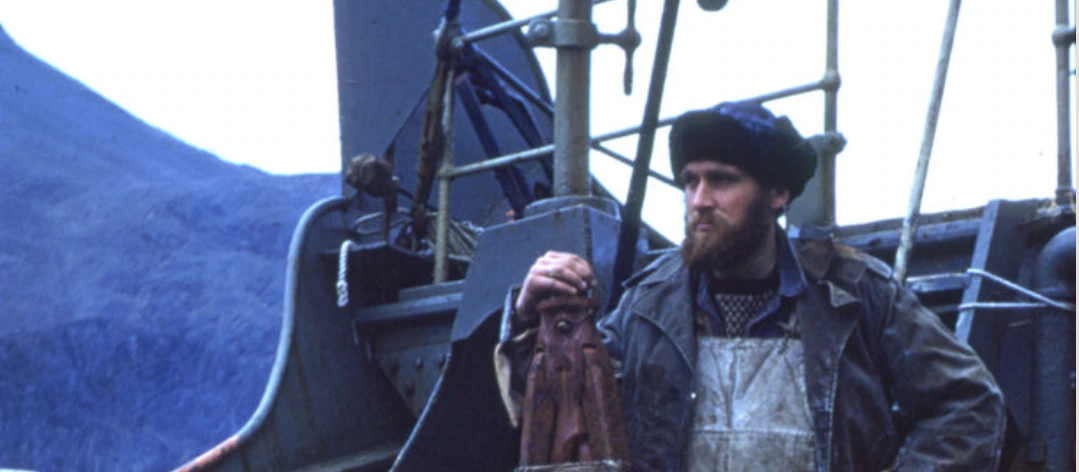
Rarely does the founding of a small independent museum garner the attention of the national press, but with the appealing story of a plumber turned amateur fossil collector who built up the best collection of Kimmeridgian fossils in the world, it is perhaps unsurprising that the Etches Collection has been widely reported.
From a scientific perspective, the story is even more compelling. Without these collectors many fossils would simply be lost to the erosive forces of wind, rain and sea. But such privately owned collections can raise ideological and practical concerns among professionals, not least that until they enter public ownership they cannot be formally studied and published as peer-reviewed scientific research. That Steve Etches, a dedicated and systematic amateur, has signed his collection over to a trust challenges negative views of private fossil collecting.
His actions have ensured the collection’s lasting legacy and its contribution to our knowledge of the story of life. Run by Kimmeridge Trust, The Etches Collection – Museum of Jurassic Marine Life was opened in October 2016 in Kimmeridge, a relatively remote Dorset village that gave its name to a stage of the Jurassic period, the Kimmeridgian (157-152 million years ago).
Before entering the gallery, a colourful wall graphic explains the geological distribution and economic significance of Kimmeridge clay, the geological source of North Sea oil and gas. The concise writing and simple design is effective and sets the tone for the rest of the museum. From here, visitors pass through a double door into a single gallery, the walls lined with cases, above which are two continual banks of large screens angled down towards the viewer.
The impression is of submersion in the Kimmeridgian sea, blue light filtering through the waters above, as creatures from another age drift or dart in and out of view. A retreating Jurassic hybodont (“humped-tooth”) shark, greeted my entrance and I found myself longing for it to swim closer, but then my attention was arrested by first a plesiosaur and then a flashing shoal of primitive bony teleost fish with protruding jaws to catch prey. These beautifully animated reconstructions are dramatic and educational, with the behaviour and movement of the various creatures reconstructed from palaeontological studies.
It was not until I had been in the space for a quarter of an hour that I became fully aware of the subtle canvas of sounds that accompany the displays. They contribute to the ambience of the space and strangely seem to soften the chatter of other visitors, which could be abrasive and distracting in a large glass-lined room.
Treasures of the sea
The fossils themselves are grouped by well-chosen themes – Adapt and Evolve, Eat or Be Eaten, Escape and Evade, Reproduce – each with a short introductory text neatly multi-tiered by font size and detail.
The fossils themselves are remarkable, beautifully prepared and often unique in the features they preserve. Unusually for a fossil collector, Etches doesn’t have a bias for a particular group and so the whole Kimmeridgian fauna can be seen, from goose barnacles and delicate fish to giant pliosaurs and marine crocodiles.
Every specimen is a treasure in its own right and it is tempting to describe them here in depth: a fossil of a ray-finned fish with a pointy snout sits next to some coprolite (fossilised poo) from a large reptilian full of that same fish’s scales; a rare fossil of a hybodont shark (their bodies being cartilaginous, with no hard skeleton, usually only their fin-spines and teeth remain); a series of ammonites demonstrating that group’s reproduction and sexual dimorphism without resorting to that technical term, including the world’s first recorded ammonite eggs. However, one must see them first hand to appreciate the quality of the collection.
The museum’s informal approach to interpretation may divide opinion. Rather than individual labels, the back walls of the cases are set out like a collector’s notebook, with casual (but legible) handwriting pointing out interesting facts or features to look for in the specimens.
This confused a few of my fellow visitors, who struggled to interpret what one particular fossil represented. There is not an overwhelming amount of text but, if it is read, a coherent narrative concerning the life, death and preservation of these animals emerges. There are few Latin-derived binomial epithets or other technical terms.
Those fortunate enough to have Etches as a guide – he is employed by the trust and conducts tours and group visits – will gain a deeper understanding than they might otherwise, and perhaps this is the way it is intended.
How deeply one should textually interpret the objects on display is a question too profound to burden a review with.
Using text on a large printed backboard around which objects are mounted, rather than individual labels, is a logistical minefield, and careful measurements and mocking up are required to pull it off. For the most part the Etches Collection is successful in this regard, but here and there a label is obscured by an object that doesn’t quite fit or an arrow points to a specimen that is slightly displaced, suggesting last-minute changes or inadequate planning. This is frustrating, but does not detract a great deal from the overall experience of the museum.
Lasting legacy
Two touchscreen interactives enrich the learning experience, allowing visitors to explore the functional anatomy of several creatures in the collection and how diet can be inferred from tooth morphology. The technology works well, with an intuitive interface that is simple, engaging and well written.
At the far end of the gallery a brief video installation introduces the audience to Etches and how he built up the collection, with an accompanying panel that cites other collectors and researchers active on the Jurassic Coast. Finally, a glass partition divides the room, behind which a fossil preparation lab is exposed, with specialist tools, dust extraction cabinets and tables strewn with recent finds. This is far from a prop: Etches continues adding to his collection from the Jurassic ledges of Kimmeridge Bay, just visible from the entrance of the museum.
Hopefully the collection will be a boon for the community and economy of Kimmeridge – the locals I spoke to were justifiably proud of Etches and their shared geological heritage. Despite minor faults, this is a wonderful museum and the scientific research that it enables will continue to enrich our understanding of Jurassic marine life for many years to come.
Matt Williams is the collections manager at Bath Royal Literary and Scientific Institution
Main funders Heritage Lottery Fund; Bernard Sunley Charitable Foundation; Charles Haywood Foundation; Clore Duffield Foundation; Garfield Weston Foundation; The Hobson Charity; The London Law Trust; The Monument Trust; The Rind Foundation; The Steel Charitable Trust; The Wolfson Foundation; The Talbot Village Trust
Exhibition design and interpretation Event
Display cases Benchworks
Architect Kennedy O’Callaghan Architects
Construction Raymond Brown Building
Landscaping Tessa Hobbs Garden Design
Admission Adults £8, children (5-16 years) £4
From a scientific perspective, the story is even more compelling. Without these collectors many fossils would simply be lost to the erosive forces of wind, rain and sea. But such privately owned collections can raise ideological and practical concerns among professionals, not least that until they enter public ownership they cannot be formally studied and published as peer-reviewed scientific research. That Steve Etches, a dedicated and systematic amateur, has signed his collection over to a trust challenges negative views of private fossil collecting.
His actions have ensured the collection’s lasting legacy and its contribution to our knowledge of the story of life. Run by Kimmeridge Trust, The Etches Collection – Museum of Jurassic Marine Life was opened in October 2016 in Kimmeridge, a relatively remote Dorset village that gave its name to a stage of the Jurassic period, the Kimmeridgian (157-152 million years ago).
Before entering the gallery, a colourful wall graphic explains the geological distribution and economic significance of Kimmeridge clay, the geological source of North Sea oil and gas. The concise writing and simple design is effective and sets the tone for the rest of the museum. From here, visitors pass through a double door into a single gallery, the walls lined with cases, above which are two continual banks of large screens angled down towards the viewer.
The impression is of submersion in the Kimmeridgian sea, blue light filtering through the waters above, as creatures from another age drift or dart in and out of view. A retreating Jurassic hybodont (“humped-tooth”) shark, greeted my entrance and I found myself longing for it to swim closer, but then my attention was arrested by first a plesiosaur and then a flashing shoal of primitive bony teleost fish with protruding jaws to catch prey. These beautifully animated reconstructions are dramatic and educational, with the behaviour and movement of the various creatures reconstructed from palaeontological studies.
It was not until I had been in the space for a quarter of an hour that I became fully aware of the subtle canvas of sounds that accompany the displays. They contribute to the ambience of the space and strangely seem to soften the chatter of other visitors, which could be abrasive and distracting in a large glass-lined room.
Treasures of the sea
The fossils themselves are grouped by well-chosen themes – Adapt and Evolve, Eat or Be Eaten, Escape and Evade, Reproduce – each with a short introductory text neatly multi-tiered by font size and detail.
The fossils themselves are remarkable, beautifully prepared and often unique in the features they preserve. Unusually for a fossil collector, Etches doesn’t have a bias for a particular group and so the whole Kimmeridgian fauna can be seen, from goose barnacles and delicate fish to giant pliosaurs and marine crocodiles.
Every specimen is a treasure in its own right and it is tempting to describe them here in depth: a fossil of a ray-finned fish with a pointy snout sits next to some coprolite (fossilised poo) from a large reptilian full of that same fish’s scales; a rare fossil of a hybodont shark (their bodies being cartilaginous, with no hard skeleton, usually only their fin-spines and teeth remain); a series of ammonites demonstrating that group’s reproduction and sexual dimorphism without resorting to that technical term, including the world’s first recorded ammonite eggs. However, one must see them first hand to appreciate the quality of the collection.
The museum’s informal approach to interpretation may divide opinion. Rather than individual labels, the back walls of the cases are set out like a collector’s notebook, with casual (but legible) handwriting pointing out interesting facts or features to look for in the specimens.
This confused a few of my fellow visitors, who struggled to interpret what one particular fossil represented. There is not an overwhelming amount of text but, if it is read, a coherent narrative concerning the life, death and preservation of these animals emerges. There are few Latin-derived binomial epithets or other technical terms.
Those fortunate enough to have Etches as a guide – he is employed by the trust and conducts tours and group visits – will gain a deeper understanding than they might otherwise, and perhaps this is the way it is intended.
How deeply one should textually interpret the objects on display is a question too profound to burden a review with.
Using text on a large printed backboard around which objects are mounted, rather than individual labels, is a logistical minefield, and careful measurements and mocking up are required to pull it off. For the most part the Etches Collection is successful in this regard, but here and there a label is obscured by an object that doesn’t quite fit or an arrow points to a specimen that is slightly displaced, suggesting last-minute changes or inadequate planning. This is frustrating, but does not detract a great deal from the overall experience of the museum.
Lasting legacy
Two touchscreen interactives enrich the learning experience, allowing visitors to explore the functional anatomy of several creatures in the collection and how diet can be inferred from tooth morphology. The technology works well, with an intuitive interface that is simple, engaging and well written.
At the far end of the gallery a brief video installation introduces the audience to Etches and how he built up the collection, with an accompanying panel that cites other collectors and researchers active on the Jurassic Coast. Finally, a glass partition divides the room, behind which a fossil preparation lab is exposed, with specialist tools, dust extraction cabinets and tables strewn with recent finds. This is far from a prop: Etches continues adding to his collection from the Jurassic ledges of Kimmeridge Bay, just visible from the entrance of the museum.
Hopefully the collection will be a boon for the community and economy of Kimmeridge – the locals I spoke to were justifiably proud of Etches and their shared geological heritage. Despite minor faults, this is a wonderful museum and the scientific research that it enables will continue to enrich our understanding of Jurassic marine life for many years to come.
Matt Williams is the collections manager at Bath Royal Literary and Scientific Institution
Project data
Cost £5mMain funders Heritage Lottery Fund; Bernard Sunley Charitable Foundation; Charles Haywood Foundation; Clore Duffield Foundation; Garfield Weston Foundation; The Hobson Charity; The London Law Trust; The Monument Trust; The Rind Foundation; The Steel Charitable Trust; The Wolfson Foundation; The Talbot Village Trust
Exhibition design and interpretation Event
Display cases Benchworks
Architect Kennedy O’Callaghan Architects
Construction Raymond Brown Building
Landscaping Tessa Hobbs Garden Design
Admission Adults £8, children (5-16 years) £4