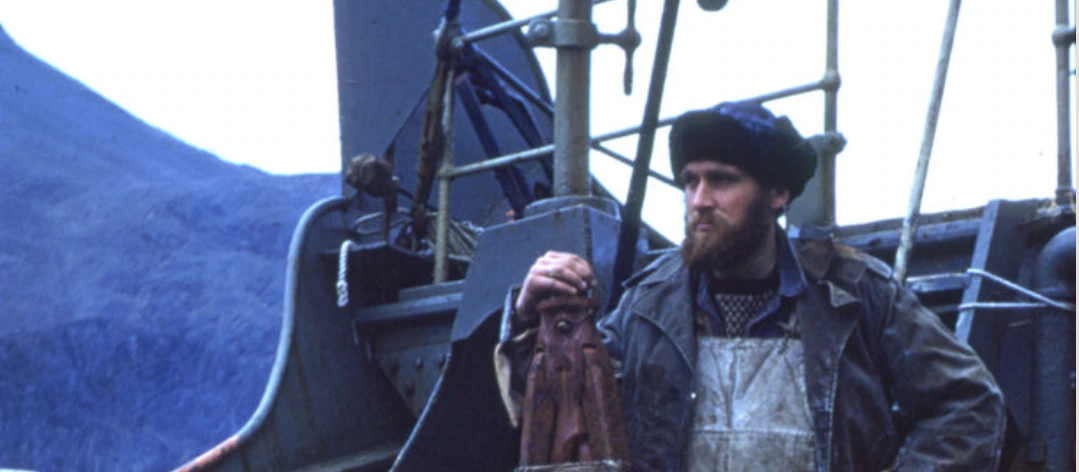
The National Museum of the Royal Navy has always struck me as being a bit overshadowed by its neighbours at Portsmouth Historic Dockyard, the Mary Rose and HMS Victory.
So it is good news that this relatively unknown national museum has expanded its displays to create HMS: Hear My Story, which covers the history of the service over the past 100 years. The new Babcock Galleries are in the recently refurbished Georgian Grade I-listed Storehouse Number 10.
The museum has made a conscious effort to create displays that are not another models and guns show. The officers and crew of the Royal Navy as well as families and experts have been given a chance to tell their stories, ably illustrated with video, still images as well as plenty of objects.
Hear My Story has moving tales to tell from the first world war through to marines serving in Afghanistan. The gallery is packed with objects, not only the obligatory heavy metal (Bofors guns and torpedoes) but also lovingly illustrated letters from sailors to their families.
Glass link
However, I was a little disappointed, despite the excellent material on display and the voices of the Royal Navy ringing in my ears. The exhibition tells the story of a large extended family that is the Royal Navy, but to the exclusion of outside voices and an absence of contrary views.
I also felt the strong subject matter was slightly overwhelmed by an absence of a structured flow through the gallery.
Hear My Story can be found beyond an older gallery covering the Sailing Navy. A glass link allows visitors to approach the gallery guarded by the gun that fired Britain’s first shot of the first world war. It belonged to HMS Lance, which sank a German warship on 5 August 1914.
The exhibition emphasises that this is the story of and by the men and women of the Royal Navy. But voices from other services and the wider public are rare. Also, despite our allies and enemies being repeatedly mentioned, there were no American, French or German accounts and definitely no Iraqi or Afghan voices.
This does lead to a somewhat uncritical approach to telling the story. The hardships and triumphs are all here, but you are rarely invited to challenge the largely benign view of the service.
Film and video
The gallery’s designers have gone for a modular approach in a space that is effectively a long rectangle. The gallery features blue, green and red zones, but I was not sure of their significance.
Changing Families, All Squared Away, World Service and Navy Nation are among the many themes, which cover every conceivable aspect of Royal Navy life throughout the century. A minority of subjects were chronological, covering conflicts such as the battle for the Atlantic and operations in Iraq.
Plenty of props aid the telling of peoples’ stories, and the exhibition is full of noises, providing a busy feel. Large showcases, pull-out drawers and a generous use of video screens utilise the museum’s rich collections, especially second world war-era footage and grainy video from the Falklands conflict.
There are several video installations where visitors can view a selection of themed clips, with plenty of benches available. The central section showing the documentary All of Us has a mini-auditorium with beanbag seats.
Plenty of showcases enable the museum to display a variety of collections, much of it of a personal nature such as letters, photographs and trophies. Layered interpretation includes numbered labels, display paddles, a selection of audio clips and videos stills.
Powerful material
Some objects are given space to make a greater impact. The Fleet Air Arm display consists of a pillar case with only an airman’s leather helmet and an audio point with the reminiscences of a naval aviator in the Pacific theatre.
There is plenty of technology on display, with most of the interactives located at the end of the gallery, along with a family area featuring dressing-up costumes and tabletop games.
The most popular item in the main body of the exhibition on my visit was the touchscreen timeline table, which allows you to explore dates in the last century.
It includes key historical events, illustrated with photos and images of original documents that can be virtually moved around on your desk. The novelty of the device attracted visitors, who became engrossed in the historical sources.
At the end of the gallery there is a chance for visitors to listen to contemporary voices from the navy. They are asked to agree or disagree with various statements following a briefing by a vox pop of opinions from service personnel, experts and families.
These include whether the navy should receive more funding, should we be proud of our service, and so on. It felt like we were being nudged towards a correct answer.
Adjacent to this is another bank of video screens where you can choose to listen to an interview from serving and retired Royal Navy personnel. They are asked questions by young children aged no older than 12.
I was moved by the interview of the marine reserve and his tour in Sangin province, Afghanistan. It includes his description of collecting one his compatriot’s bodies following an attack, an experience that had a profound impact on him. This is an eloquent reminder of the impact and horror of war.
Stephen Lowy is a freelance museum consultant and the community curator for Hampshire Arts and Museum Service
So it is good news that this relatively unknown national museum has expanded its displays to create HMS: Hear My Story, which covers the history of the service over the past 100 years. The new Babcock Galleries are in the recently refurbished Georgian Grade I-listed Storehouse Number 10.
The museum has made a conscious effort to create displays that are not another models and guns show. The officers and crew of the Royal Navy as well as families and experts have been given a chance to tell their stories, ably illustrated with video, still images as well as plenty of objects.
Hear My Story has moving tales to tell from the first world war through to marines serving in Afghanistan. The gallery is packed with objects, not only the obligatory heavy metal (Bofors guns and torpedoes) but also lovingly illustrated letters from sailors to their families.
Glass link
However, I was a little disappointed, despite the excellent material on display and the voices of the Royal Navy ringing in my ears. The exhibition tells the story of a large extended family that is the Royal Navy, but to the exclusion of outside voices and an absence of contrary views.
I also felt the strong subject matter was slightly overwhelmed by an absence of a structured flow through the gallery.
Hear My Story can be found beyond an older gallery covering the Sailing Navy. A glass link allows visitors to approach the gallery guarded by the gun that fired Britain’s first shot of the first world war. It belonged to HMS Lance, which sank a German warship on 5 August 1914.
The exhibition emphasises that this is the story of and by the men and women of the Royal Navy. But voices from other services and the wider public are rare. Also, despite our allies and enemies being repeatedly mentioned, there were no American, French or German accounts and definitely no Iraqi or Afghan voices.
This does lead to a somewhat uncritical approach to telling the story. The hardships and triumphs are all here, but you are rarely invited to challenge the largely benign view of the service.
Film and video
The gallery’s designers have gone for a modular approach in a space that is effectively a long rectangle. The gallery features blue, green and red zones, but I was not sure of their significance.
Changing Families, All Squared Away, World Service and Navy Nation are among the many themes, which cover every conceivable aspect of Royal Navy life throughout the century. A minority of subjects were chronological, covering conflicts such as the battle for the Atlantic and operations in Iraq.
Plenty of props aid the telling of peoples’ stories, and the exhibition is full of noises, providing a busy feel. Large showcases, pull-out drawers and a generous use of video screens utilise the museum’s rich collections, especially second world war-era footage and grainy video from the Falklands conflict.
There are several video installations where visitors can view a selection of themed clips, with plenty of benches available. The central section showing the documentary All of Us has a mini-auditorium with beanbag seats.
Plenty of showcases enable the museum to display a variety of collections, much of it of a personal nature such as letters, photographs and trophies. Layered interpretation includes numbered labels, display paddles, a selection of audio clips and videos stills.
Powerful material
Some objects are given space to make a greater impact. The Fleet Air Arm display consists of a pillar case with only an airman’s leather helmet and an audio point with the reminiscences of a naval aviator in the Pacific theatre.
There is plenty of technology on display, with most of the interactives located at the end of the gallery, along with a family area featuring dressing-up costumes and tabletop games.
The most popular item in the main body of the exhibition on my visit was the touchscreen timeline table, which allows you to explore dates in the last century.
It includes key historical events, illustrated with photos and images of original documents that can be virtually moved around on your desk. The novelty of the device attracted visitors, who became engrossed in the historical sources.
At the end of the gallery there is a chance for visitors to listen to contemporary voices from the navy. They are asked to agree or disagree with various statements following a briefing by a vox pop of opinions from service personnel, experts and families.
These include whether the navy should receive more funding, should we be proud of our service, and so on. It felt like we were being nudged towards a correct answer.
Adjacent to this is another bank of video screens where you can choose to listen to an interview from serving and retired Royal Navy personnel. They are asked questions by young children aged no older than 12.
I was moved by the interview of the marine reserve and his tour in Sangin province, Afghanistan. It includes his description of collecting one his compatriot’s bodies following an attack, an experience that had a profound impact on him. This is an eloquent reminder of the impact and horror of war.
Stephen Lowy is a freelance museum consultant and the community curator for Hampshire Arts and Museum Service
Project data
- Cost £4.5m
- Main funder Heritage Lottery Fund
- Exhibition design Redman
- Architect Purcell
- Building contractor Warings
- Project management Appleyards
- Quantity surveyor Warham O’Brien