Over the years I have regularly looked to John H Falk and Lynn D Dierking’s The Museum Experience for inspiration.
Their interactive experience model has been hugely influential, bringing together the three specific contexts of the physical, social and personal in defining how visitors engage with museums.
I am currently working on new interpretation for the Museum of English Rural Life so I shall be drawing on their wisdom again.
Our Country Lives is a redisplay project that will bring agricultural technology and rural craft, held by the University of Reading, to a new audience.
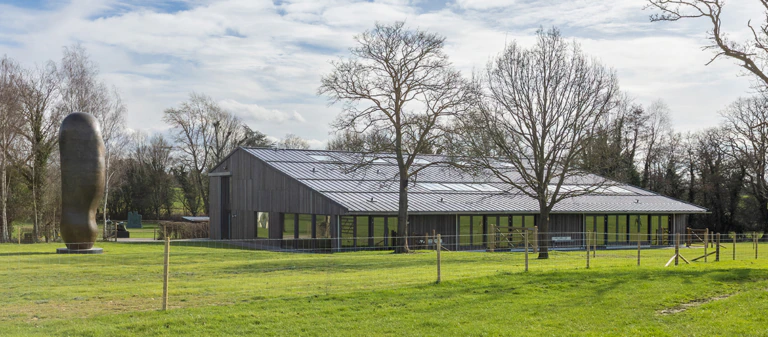
Our museum has always sat somewhat strangely in the middle of urban Reading.
The collection has now moved beyond living memory for a large section of our visitors. So what might be a personal context for visitors to the museum?
Not many of us now understand how the land was worked or fashion much with our hands.
One personal context we have been exploring is the representation of rural life through literature. We ran a seminar series with our English Department and promote a “rural reads” book club.
I have been reading Jude the Obscure, Thomas Hardy’s most troubling work. It contains visceral descriptions of the young Jude as an unsuccessful bird scarer and his later botched pig killing.
It also gives a powerful sense of the landscape and rural communities around Reading (or Aldbrickham as Hardy would have it). Vivid storytelling can breathe life into our collections.
Isabel Hughes is the curator, collections and engagement, at the Museum of English Rural Life, University of Reading
Their interactive experience model has been hugely influential, bringing together the three specific contexts of the physical, social and personal in defining how visitors engage with museums.
I am currently working on new interpretation for the Museum of English Rural Life so I shall be drawing on their wisdom again.
Our Country Lives is a redisplay project that will bring agricultural technology and rural craft, held by the University of Reading, to a new audience.
Our museum has always sat somewhat strangely in the middle of urban Reading.
The collection has now moved beyond living memory for a large section of our visitors. So what might be a personal context for visitors to the museum?
Not many of us now understand how the land was worked or fashion much with our hands.
One personal context we have been exploring is the representation of rural life through literature. We ran a seminar series with our English Department and promote a “rural reads” book club.
I have been reading Jude the Obscure, Thomas Hardy’s most troubling work. It contains visceral descriptions of the young Jude as an unsuccessful bird scarer and his later botched pig killing.
It also gives a powerful sense of the landscape and rural communities around Reading (or Aldbrickham as Hardy would have it). Vivid storytelling can breathe life into our collections.
Isabel Hughes is the curator, collections and engagement, at the Museum of English Rural Life, University of Reading