Viewers of Spotlight, the BBC’s regional news for south-west England, will know that a regular feature of the nightly weather forecast is the prediction for the next day’s surfing conditions.
This is a measure of the importance of surfing to residents and visitors to the south west.
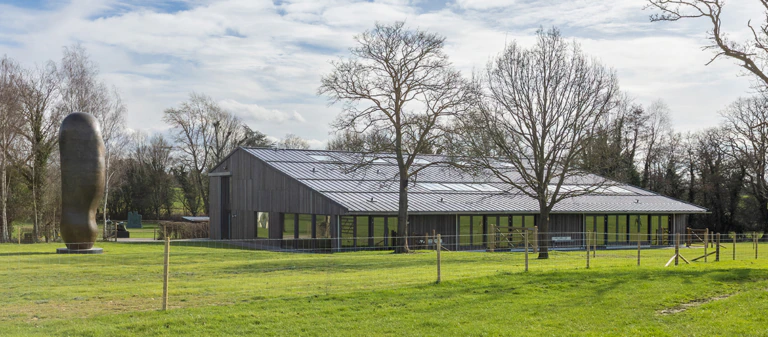
It is therefore no surprise that the first museum dedicated to the history of surfing in Britain has opened in north Devon. People have been surfing off the area’s beaches since the early 1900s.
Braunton, where the museum is located, became a hub for the fledgling surfing industry in the 1960s, situated as it is near the beaches of Saunton, Croyde, Putsborough and Woolacombe. Reputedly the largest village in England, the guidebooks describe Braunton as the “Gateway to North Devon’s Golden Coast”.
The village is surf orientated with numerous equipment and clothing shops and factories.
It is estimated that half a million people now surf in the UK and the sport brings in some £100m a year to the economy of the south west. The earliest known description of surfing is in the diaries of the famous botanist Joseph Banks.
When Captain James Cook arrived in Tahiti in 1769 on his voyage of discovery, Banks described the sight of people attempting to ride the waves on what Banks described as “the stern of an old canoe”.
Coffin lids
Some 120 years later, in September 1890, two Hawaiian princes and their Scottish tutor surfed when on holiday in Bridlington.
One of the princes wrote: “We enjoy the seaside very much and are out swimming every day. The weather has been very windy these few days and we like it very much for we like the sea to be rough so that we are able to have surf riding. We enjoy surf riding very much and surprise the people to see us riding on the surf.”
However, it was only in the 1920s that the sport of “surf riding” as it was then called became more widely popular in the UK.
After the first world war an undertaker in Perranporth began building what, for understandable reasons, became known as “coffin lid” boards from two five-foot floorboards joined together with wooden cleats and brass screws.
The surfers lay on these to ride the surf and this style of construction evolved into the bellyboards that were popular through the 1930s, 40s and 50s. Bellyboards are making something of a comeback today with the world championships taking place in Cornwall every September.
The earliest known photograph of a British surfer riding a wave standing on his board is of Edward, Prince of Wales, later Edward VIII surfing with Lord Louis Mountbatten in Hawaii in 1920.
The museum has put a replica of his board alongside the photograph. This is a good example of the way the Museum of British Surfing is bringing the history of the sport to life.
At the heart of the museum, which opened in April, is the collection of more than 200 boards donated by the museum’s founder, Peter Robinson.
Together with memorabilia and other items donated and loaned to the museum, it now boasts that it has “the most extensive and historically significant collection of vintage surfboards, literature and memorabilia on public display and for academic research in Europe”.
All this is set out in a museum of only 80 sq metres. Having said that, the galleries don’t feel cramped and the objects are well displayed, with neat, clean and easily read information panels.
Willow board
The main display in the museum will be changed each year with the exhibition going on tour around the UK in the following year.
This year’s exhibition, The Art of Surf, brings to centre stage a series of inventively decorated and beautiful boards. Coloured resins have been used to paint psychedelic, floral and abstract patterns, designs or logos.
An example is the board of Britain’s first professional surfer, Ted Deerhurst, which is decorated with a lightning-bolt logo adapted from the Union Jack. On two other boards Paisley cloth has been laminated under the fibreglass to good effect.
The newest of the boards in this exhibition, is a handwoven willow board made by Rosie Hadden. I don’t know how practical it is, but it won best artwork at the 2011 World Bellyboarding Championships.
Other works in this exhibition are some of the first sketches made by early explorers, posters for surf films, magazine covers, surf championships and advertising posters – among them a classic one for Guinness.
An intricate logo for Tris Surfboards drawn by Keith Flack and inspired by psychedelic, hippy and surfing imagery, illustrates changes in design over the past 40 or so years.
Hanging alongside these boards and designs are paintings and prints inspired by surfing. These works are on the whole less successful. It’s the decorated surf boards that are a revelation. The collection of these is of national importance and a major contribution to the study of popular art in the 20th century.
Memorabilia and other items in the museum related to surfing range from toys to jigsaws, bathing costumes to wet suits and books to badges. There is even a Surf Champ pinball machine from 1975, which visitors can play. A more serious interactive display invites visitors to identify the natural and man-made detritus that ends up on our beaches.
The museum also houses displays of other historically important surf boards, early film and photographs illustrating the history of surfing in this country.
This is a museum that punches well above its weight. The research that has gone into the history of surfing, and which is continuing today, is of the highest standard.
The Museum of British Surfing has much to excite those with a specialist interest in surfing, but will also appeal to those interested in art, popular culture and the history of the south west.
Peter Mason is a writer on culture
This is a measure of the importance of surfing to residents and visitors to the south west.
It is therefore no surprise that the first museum dedicated to the history of surfing in Britain has opened in north Devon. People have been surfing off the area’s beaches since the early 1900s.
Braunton, where the museum is located, became a hub for the fledgling surfing industry in the 1960s, situated as it is near the beaches of Saunton, Croyde, Putsborough and Woolacombe. Reputedly the largest village in England, the guidebooks describe Braunton as the “Gateway to North Devon’s Golden Coast”.
The village is surf orientated with numerous equipment and clothing shops and factories.
It is estimated that half a million people now surf in the UK and the sport brings in some £100m a year to the economy of the south west. The earliest known description of surfing is in the diaries of the famous botanist Joseph Banks.
When Captain James Cook arrived in Tahiti in 1769 on his voyage of discovery, Banks described the sight of people attempting to ride the waves on what Banks described as “the stern of an old canoe”.
Coffin lids
Some 120 years later, in September 1890, two Hawaiian princes and their Scottish tutor surfed when on holiday in Bridlington.
One of the princes wrote: “We enjoy the seaside very much and are out swimming every day. The weather has been very windy these few days and we like it very much for we like the sea to be rough so that we are able to have surf riding. We enjoy surf riding very much and surprise the people to see us riding on the surf.”
However, it was only in the 1920s that the sport of “surf riding” as it was then called became more widely popular in the UK.
After the first world war an undertaker in Perranporth began building what, for understandable reasons, became known as “coffin lid” boards from two five-foot floorboards joined together with wooden cleats and brass screws.
The surfers lay on these to ride the surf and this style of construction evolved into the bellyboards that were popular through the 1930s, 40s and 50s. Bellyboards are making something of a comeback today with the world championships taking place in Cornwall every September.
The earliest known photograph of a British surfer riding a wave standing on his board is of Edward, Prince of Wales, later Edward VIII surfing with Lord Louis Mountbatten in Hawaii in 1920.
The museum has put a replica of his board alongside the photograph. This is a good example of the way the Museum of British Surfing is bringing the history of the sport to life.
At the heart of the museum, which opened in April, is the collection of more than 200 boards donated by the museum’s founder, Peter Robinson.
Together with memorabilia and other items donated and loaned to the museum, it now boasts that it has “the most extensive and historically significant collection of vintage surfboards, literature and memorabilia on public display and for academic research in Europe”.
All this is set out in a museum of only 80 sq metres. Having said that, the galleries don’t feel cramped and the objects are well displayed, with neat, clean and easily read information panels.
Willow board
The main display in the museum will be changed each year with the exhibition going on tour around the UK in the following year.
This year’s exhibition, The Art of Surf, brings to centre stage a series of inventively decorated and beautiful boards. Coloured resins have been used to paint psychedelic, floral and abstract patterns, designs or logos.
An example is the board of Britain’s first professional surfer, Ted Deerhurst, which is decorated with a lightning-bolt logo adapted from the Union Jack. On two other boards Paisley cloth has been laminated under the fibreglass to good effect.
The newest of the boards in this exhibition, is a handwoven willow board made by Rosie Hadden. I don’t know how practical it is, but it won best artwork at the 2011 World Bellyboarding Championships.
Other works in this exhibition are some of the first sketches made by early explorers, posters for surf films, magazine covers, surf championships and advertising posters – among them a classic one for Guinness.
An intricate logo for Tris Surfboards drawn by Keith Flack and inspired by psychedelic, hippy and surfing imagery, illustrates changes in design over the past 40 or so years.
Hanging alongside these boards and designs are paintings and prints inspired by surfing. These works are on the whole less successful. It’s the decorated surf boards that are a revelation. The collection of these is of national importance and a major contribution to the study of popular art in the 20th century.
Memorabilia and other items in the museum related to surfing range from toys to jigsaws, bathing costumes to wet suits and books to badges. There is even a Surf Champ pinball machine from 1975, which visitors can play. A more serious interactive display invites visitors to identify the natural and man-made detritus that ends up on our beaches.
The museum also houses displays of other historically important surf boards, early film and photographs illustrating the history of surfing in this country.
This is a museum that punches well above its weight. The research that has gone into the history of surfing, and which is continuing today, is of the highest standard.
The Museum of British Surfing has much to excite those with a specialist interest in surfing, but will also appeal to those interested in art, popular culture and the history of the south west.
Peter Mason is a writer on culture
Project data
- Cost £250,000
- Main funders Leader 4 Torridge & North Devon; North Devon Council
- Design and build Myriad, Bideford
- Contract administration David Wilson Partnership