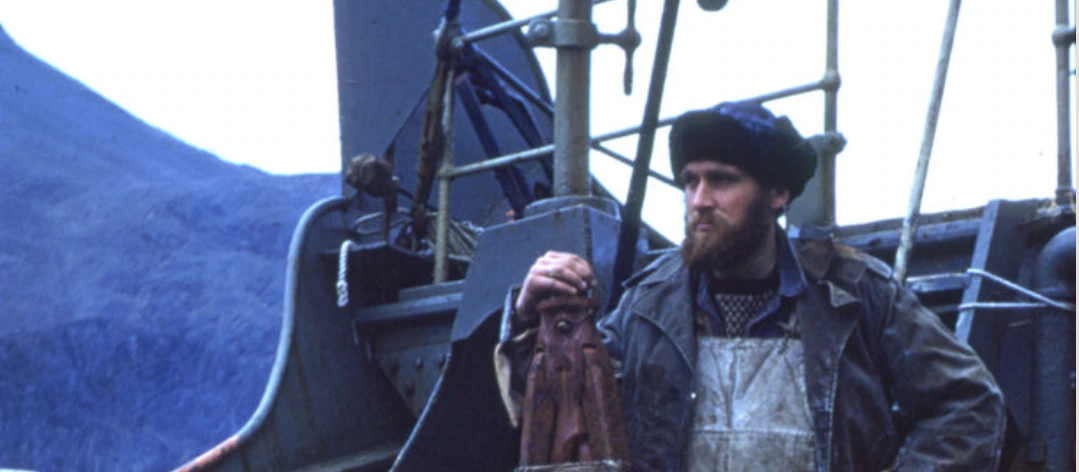
In Robert Janes's refreshingly heretical vision of what museums can become, the Willow Lakers, an indigenous hunting people of the Canadian western subarctic, serve as a paradigm of organisational behaviour that stewards a sustainable future.
Introduced through an immersive prologue which blurs the boundaries between truth and fiction, archetypes of the curator, CEO, and department head expose the paralysis of traditional institutional thinking to give us a stark reflection of museums today.
In comparison, the Willow Lakers practise "individual autonomy, egalitarianism, decision-making by consensus and limitations on the exercise of power", behaviours that promote collaboration in museum work over hierarchical management style.
The Willow Lakers also manifest a complex level of interdependence that Janes asserts is essential to museums. "It is time to forge an ecology of museums that recognises that a broad web of societal relationships is the bedrock of successful adaptation in a complex, and increasingly severe, world.
The Willow Lake hunters, described in the prologue, are modern exemplars of this knowledge, having prospered for millennia in one of the world's harshest regions."
A museum consultant and editor-in-chief of Museum Management and Curatorship, Janes deploys his "outsider" status to state boldly what is necessary and to draw from current scholarship on sustainability from within museum studies and other disciplines. He holds that the museum is a key institution among civic associations that can work for the common good.
Though at times the book reads rather like a manifesto, Janes argues persuasively that museums are social institutions and that responsible stewardship should extend beyond collections to encompass broad societal concerns.
His experiences as an anthropologist who directed two Canadian museums and a science institute lead him to champion environmental stewardship and what he calls ethnological stewardship, preserving the world's cultural diversity.
His ideas apply equally to all kinds of museums, though they lend poignancy to that category most in need of acknowledging its role in creating social change: the art museum.
Janes examines the grim problems that museums face. These include the development of exhibitions that have little relevance to the communities these institutions serve; the continual amassing of collections without adequate resources to care for them; and the over-reliance on earned revenue over public funding, which is inconsistent with a social agenda. Simultaneously, Janes maintains a firm belief in the potential for change.
He presents successful models of transformation, such as the example of societal stewardship at the Gallery of Modern Art, Glasgow, which holds shows on contemporary art and human rights, focusing on the experiences of marginalised groups, among them asylum seekers, abuse survivors, and the lesbian, gay, bisexual and transgender communities.
The great gift of Museums in a Troubled World remains its prologue that elucidates and unifies the many larger insights throughout the book. In this imaginative tale Janes warns that the museum will become irrelevant or collapse if we continue to enable the dysfunction of self-doubt, entitlement, superficial analysis, and poor communication skills portrayed by those in leadership positions.
In the Willow Lakers he finds the promise of innovation. "The hunting way of life is, in fact, the progenitor of self-organisation and flexible work design… It is time that this hard-won wisdom and practice be recognised for its relevance and value."
By choosing such an organisational model, Janes summons an important precedent from his anthropological research while signalling the urgency of looking to alternative ways of thinking in creating a renewed and more ethical museum.
Janet Marstine is the director of the Institute of Museum Ethics at Seton Hall University in New Jersey, US
Introduced through an immersive prologue which blurs the boundaries between truth and fiction, archetypes of the curator, CEO, and department head expose the paralysis of traditional institutional thinking to give us a stark reflection of museums today.
In comparison, the Willow Lakers practise "individual autonomy, egalitarianism, decision-making by consensus and limitations on the exercise of power", behaviours that promote collaboration in museum work over hierarchical management style.
The Willow Lakers also manifest a complex level of interdependence that Janes asserts is essential to museums. "It is time to forge an ecology of museums that recognises that a broad web of societal relationships is the bedrock of successful adaptation in a complex, and increasingly severe, world.
The Willow Lake hunters, described in the prologue, are modern exemplars of this knowledge, having prospered for millennia in one of the world's harshest regions."
A museum consultant and editor-in-chief of Museum Management and Curatorship, Janes deploys his "outsider" status to state boldly what is necessary and to draw from current scholarship on sustainability from within museum studies and other disciplines. He holds that the museum is a key institution among civic associations that can work for the common good.
Though at times the book reads rather like a manifesto, Janes argues persuasively that museums are social institutions and that responsible stewardship should extend beyond collections to encompass broad societal concerns.
His experiences as an anthropologist who directed two Canadian museums and a science institute lead him to champion environmental stewardship and what he calls ethnological stewardship, preserving the world's cultural diversity.
His ideas apply equally to all kinds of museums, though they lend poignancy to that category most in need of acknowledging its role in creating social change: the art museum.
Janes examines the grim problems that museums face. These include the development of exhibitions that have little relevance to the communities these institutions serve; the continual amassing of collections without adequate resources to care for them; and the over-reliance on earned revenue over public funding, which is inconsistent with a social agenda. Simultaneously, Janes maintains a firm belief in the potential for change.
He presents successful models of transformation, such as the example of societal stewardship at the Gallery of Modern Art, Glasgow, which holds shows on contemporary art and human rights, focusing on the experiences of marginalised groups, among them asylum seekers, abuse survivors, and the lesbian, gay, bisexual and transgender communities.
The great gift of Museums in a Troubled World remains its prologue that elucidates and unifies the many larger insights throughout the book. In this imaginative tale Janes warns that the museum will become irrelevant or collapse if we continue to enable the dysfunction of self-doubt, entitlement, superficial analysis, and poor communication skills portrayed by those in leadership positions.
In the Willow Lakers he finds the promise of innovation. "The hunting way of life is, in fact, the progenitor of self-organisation and flexible work design… It is time that this hard-won wisdom and practice be recognised for its relevance and value."
By choosing such an organisational model, Janes summons an important precedent from his anthropological research while signalling the urgency of looking to alternative ways of thinking in creating a renewed and more ethical museum.
Janet Marstine is the director of the Institute of Museum Ethics at Seton Hall University in New Jersey, US
By Robert R Janes
£22.99 Routledge
ISBN 978-0-415-46301-0
£22.99 Routledge
ISBN 978-0-415-46301-0