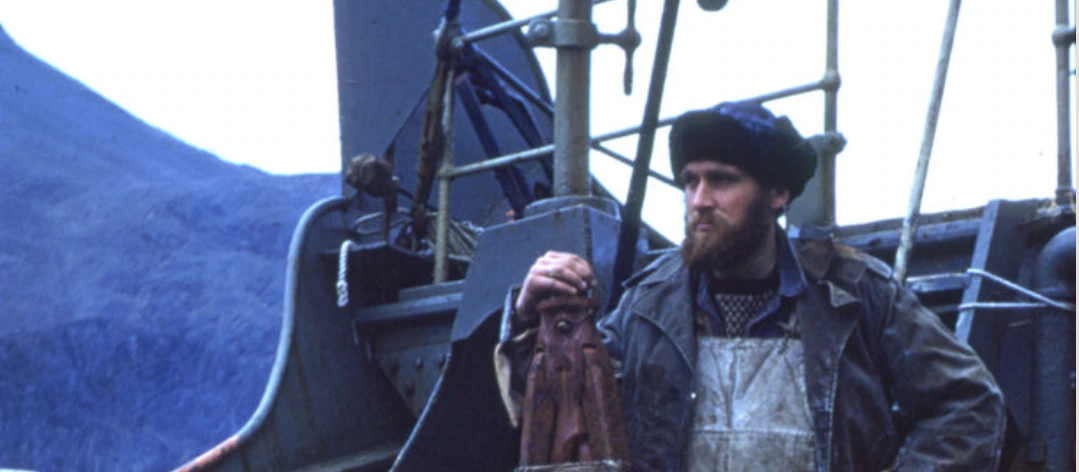
"Which way to Kyffin?" asks James Dean Bradfield of the Welsh rock group Manic Street Preachers in the final track of his debut solo album, The Great Western.
Well, perhaps the easiest route is to take the A55 towards Holyhead and turn off at the sign for Llangefni. This is the Anglesey town where John Kyffin Williams was born in 1918. It's also where you will find a fitting tribute to one of Wales's most talented painters.
Oriel Kyffin Williams opened last summer. "Oriel" is the Welsh word for gallery. And Oriel Kyffin Williams is an oriel within an oriel. This is because it slots into a former courtyard of Oriel Ynys Môn - the "gallery of the Isle of Anglesey".
Originally inaugurated in 1991, Oriel Ynys Môn has now been transformed by the addition of extra office space, a new activities room named after the wildlife artist Charles Tunnicliffe and a refurbished craft shop and restaurant. But the most significant change is undoubtedly the double-height gallery devoted to Kyffin Williams, who died in 2006.
This stylish structure consists of a wooden shell enclosing a lattice of wood-clad columns. These support a gabled roof, the metal frame of which is picked out in vibrant red paint. This will be the dramatic setting for a series of long-term, temporary displays focusing on various aspects of Williams's extensive career.
The first exhibition was entitled, appropriately enough, Kyffin Williams - A Celebration. It featured 25 oils on loan from a range of public and private collections, plus a similar number of drawings and watercolours. The latter were shown in an alcove to one side of the hall alongside vitrines containing letters, manuscripts and other archival documents.
Many of the graphic works come from Oriel Ynys Môn's own collection of more than 400 artworks donated by the artist before his death. More works from this bequest are being shown since the space's redisplay last month.
If the first exhibition is anything to go by, then this promises to be well worth a visit. One entry in the visitors book rightly characterises Williams's work as "mouth-watering". This echoes the reaction of sculptor Jonah Jones in a letter on loan from the National Library of Wales, where he describes one of Williams's paintings as "simply edible".
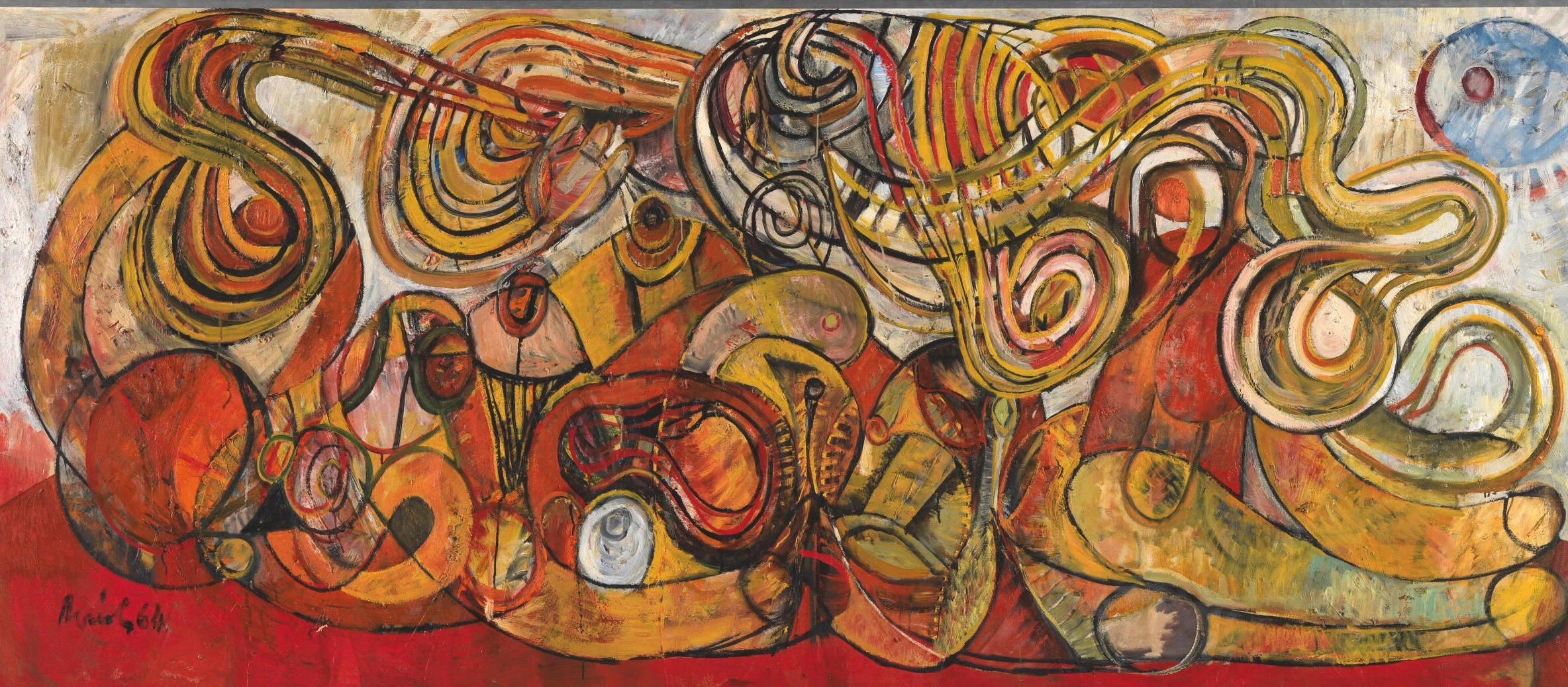
This captures perfectly a typical Williams canvas, which is covered in lush layers of oil paint smeared on with a palette knife. The rugged landscapes, dramatic seascapes and penetrating portraits all look as sumptuous and fresh as the day they were painted. And Oriel Kyffin Williams in the heart of Anglesey provides the ideal environment in which to appreciate them.
The paintings in the inaugural show were mostly hung in a single line and arranged thematically. Interpretation was kept to such a minimum that many of the works were left undated.
The visitors' book indicates that, while this "aesthetic" approach was popular with the vast majority, one person at least wanted to see a chronological hang and more biographical information. This minority view was immediately challenged by an additional comment alongside that read: "Why not buy a book? Lots in the shop."
One such example is Kyffin, a beautifully illustrated little book published to mark the opening of the gallery. Accompanying each image are short texts by the artist describing either the people and places depicted or explaining the techniques and compositions he had used. It is written in a refreshingly direct and informative manner.
This makes the absence of explanatory texts in the gallery more than acceptable. The lack of words places all the focus on the works themselves. This is no bad thing: you only need to go down the corridor to the very dated-looking Anglesey history gallery to experience the agony of the "book on the wall" approach to interpretation. Even so, the museum should not overlook those visitors who are in search of more facts.
One thing that did puzzle me was the absence of any natural light in the new gallery. Perhaps this is explained by the fact that three-quarters of the bequest are light-sensitive drawings and sketches.
Whatever the reason, the lack of windows increased my appreciation of the light and colour of the surrounding Anglesey landscape that I admired afterwards through the windows of the gallery's restaurant.
Stuart Burch is a lecturer in museum studies at Nottingham Trent University
Well, perhaps the easiest route is to take the A55 towards Holyhead and turn off at the sign for Llangefni. This is the Anglesey town where John Kyffin Williams was born in 1918. It's also where you will find a fitting tribute to one of Wales's most talented painters.
Oriel Kyffin Williams opened last summer. "Oriel" is the Welsh word for gallery. And Oriel Kyffin Williams is an oriel within an oriel. This is because it slots into a former courtyard of Oriel Ynys Môn - the "gallery of the Isle of Anglesey".
Originally inaugurated in 1991, Oriel Ynys Môn has now been transformed by the addition of extra office space, a new activities room named after the wildlife artist Charles Tunnicliffe and a refurbished craft shop and restaurant. But the most significant change is undoubtedly the double-height gallery devoted to Kyffin Williams, who died in 2006.
This stylish structure consists of a wooden shell enclosing a lattice of wood-clad columns. These support a gabled roof, the metal frame of which is picked out in vibrant red paint. This will be the dramatic setting for a series of long-term, temporary displays focusing on various aspects of Williams's extensive career.
The first exhibition was entitled, appropriately enough, Kyffin Williams - A Celebration. It featured 25 oils on loan from a range of public and private collections, plus a similar number of drawings and watercolours. The latter were shown in an alcove to one side of the hall alongside vitrines containing letters, manuscripts and other archival documents.
Many of the graphic works come from Oriel Ynys Môn's own collection of more than 400 artworks donated by the artist before his death. More works from this bequest are being shown since the space's redisplay last month.
If the first exhibition is anything to go by, then this promises to be well worth a visit. One entry in the visitors book rightly characterises Williams's work as "mouth-watering". This echoes the reaction of sculptor Jonah Jones in a letter on loan from the National Library of Wales, where he describes one of Williams's paintings as "simply edible".
This captures perfectly a typical Williams canvas, which is covered in lush layers of oil paint smeared on with a palette knife. The rugged landscapes, dramatic seascapes and penetrating portraits all look as sumptuous and fresh as the day they were painted. And Oriel Kyffin Williams in the heart of Anglesey provides the ideal environment in which to appreciate them.
The paintings in the inaugural show were mostly hung in a single line and arranged thematically. Interpretation was kept to such a minimum that many of the works were left undated.
The visitors' book indicates that, while this "aesthetic" approach was popular with the vast majority, one person at least wanted to see a chronological hang and more biographical information. This minority view was immediately challenged by an additional comment alongside that read: "Why not buy a book? Lots in the shop."
One such example is Kyffin, a beautifully illustrated little book published to mark the opening of the gallery. Accompanying each image are short texts by the artist describing either the people and places depicted or explaining the techniques and compositions he had used. It is written in a refreshingly direct and informative manner.
This makes the absence of explanatory texts in the gallery more than acceptable. The lack of words places all the focus on the works themselves. This is no bad thing: you only need to go down the corridor to the very dated-looking Anglesey history gallery to experience the agony of the "book on the wall" approach to interpretation. Even so, the museum should not overlook those visitors who are in search of more facts.
One thing that did puzzle me was the absence of any natural light in the new gallery. Perhaps this is explained by the fact that three-quarters of the bequest are light-sensitive drawings and sketches.
Whatever the reason, the lack of windows increased my appreciation of the light and colour of the surrounding Anglesey landscape that I admired afterwards through the windows of the gallery's restaurant.
Stuart Burch is a lecturer in museum studies at Nottingham Trent University
Project data
Cost: £1.5m
Main funders: Isle of Anglesey County Council, The Isle of Anglesey Charitable Trust, The Kyffin Williams Charitable Trust, Wales Assembly Government, Arts Council of Wales, individual donors
Architect: Russell-Hughes
Construction: RL Davies & Son
Cost: £1.5m
Main funders: Isle of Anglesey County Council, The Isle of Anglesey Charitable Trust, The Kyffin Williams Charitable Trust, Wales Assembly Government, Arts Council of Wales, individual donors
Architect: Russell-Hughes
Construction: RL Davies & Son