Bristol clearly owes a debt to the transatlantic slave trade; without it, the city is unlikely to have been as prosperous as it is today. So it seems entirely appropriate that the British Empire and Commonwealth Museum (BECM), housed in Brunel's impressive Temple Meads station building, should be the venue for a large and comprehensive exhibition on the slave trade and its abolition.
Breaking the Chains was produced in partnership with Bristol City Council's Museums, Galleries and Archives and was supported by a Heritage Lottery Fund grant of £770,000.
The exhibition will run for two years and covers the whole top floor of the museum, about 500 sq metres. It is separated into six galleries: What is Slavery?; Africa and Europe; The Caribbean; The Age of Abolition; In Slavery's Footsteps; and Legacies.
The story unfolds in each gallery using text panels that are clear and accessible. Key statements and facts are highlighted using a white font on a coloured background, allowing visitors to scan read easily.
Considering the rarity of surviving objects made or owned by enslaved Africans, it would be easy to produce an exhibition that was biased towards objects belonging to the slavers. The BECM does not fall into this trap, and Breaking the Chains contains many objects made and used by Africans, both free and enslaved.
In the Africa and Europe gallery there is a full display of West African artefacts that demonstrate cultural richness and diversity. The Caribbean gallery has some objects created by enslaved Africans from local natural materials.
These include a beautiful child's dress made in 1820 from lacebark, a West Indian shrub that has lacy layers to its inner bark.
Some of the objects in the Caribbean gallery would have benefited from more in-depth interpretation.
There is a case of Amerindian artefacts showing the native cultures of the Caribbean Antilles and South America, and there are some objects on display from communities of escaped slaves (known as Maroons) in Surinam.
These communities would have communicated and been influenced by each other, but this is not clear from the display. Objects that showed a combination of African and local design could have been utilised here.
The exhibition is rich in sound, music and spoken testimonies. Given the strong oral tradition in Africa, these help to bring the displays to life and give a vitally important voice to the enslaved Africans. I enjoyed the work songs and spirituals and particularly the recording of an abeng, a musical instrument made from a cow horn used by the Maroon military for signalling.
Breaking the Chains includes many audios relating first-hand experiences of slavery and its legacies. The museum avoids using lots of accounts describing the trade from a Eurocentric viewpoint and the only audio in the Caribbean gallery, for example, is the testimony of Mary Prince, a 12 year old born into slavery in Bermuda in 1788. As always, personal accounts from named individuals add weight and meaning.
The exhibition makes up for the rarity of written accounts from enslaved Africans or from ex-slaves by using stories handed down through generations, such as those from Sturge Town (one of the first free villages in Jamaica) that can be heard in the Voices of the Caribbean section.
Breaking the Chains includes some exhibits designed specifically for children. Examples include a couple of child-friendly interactives in the Africa and Europe gallery, including one where a magnetic picture of a symbol can be matched to its description, and then looked for in the display. Throughout the exhibition, the seats are low enough for children to use the audios and computer interactives.
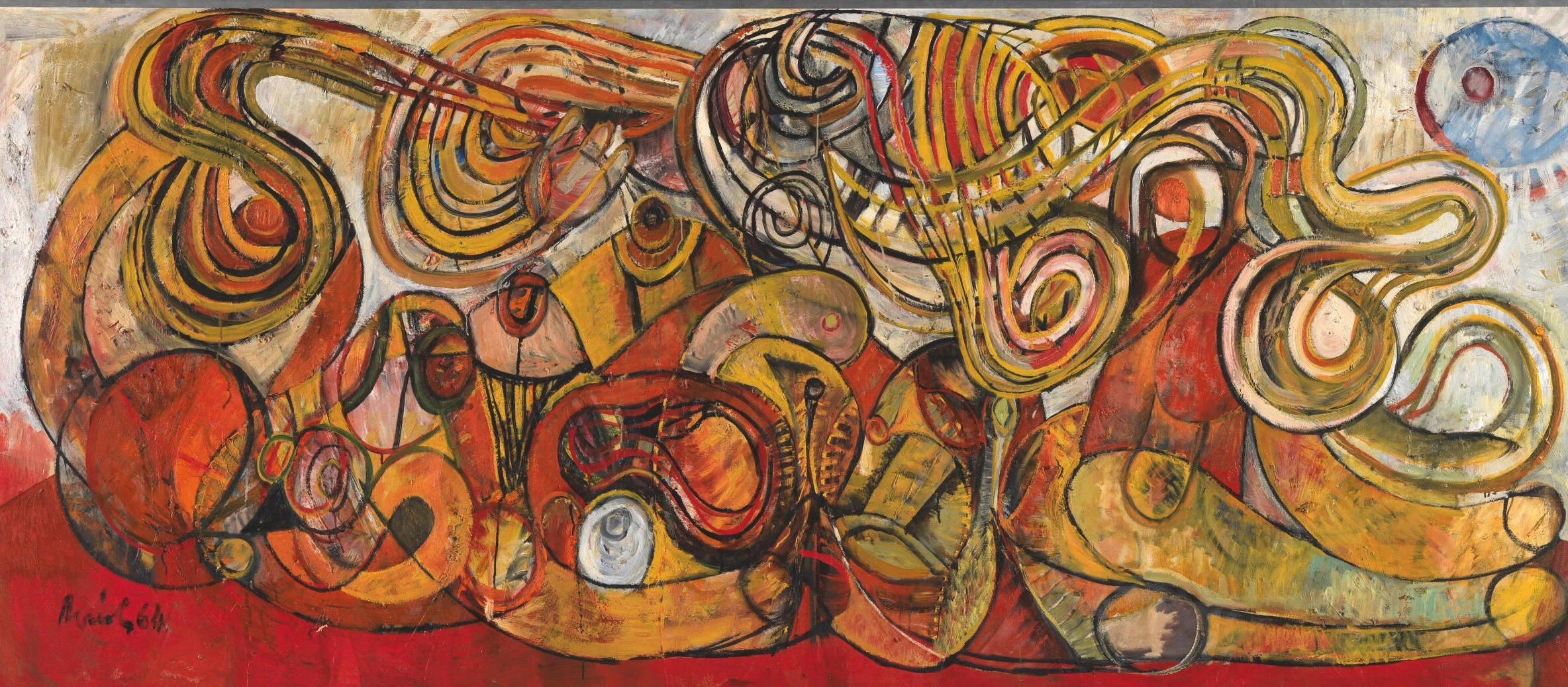
One of the most sensitive and powerful parts of the exhibition is the section representing the Atlantic crossing. From the Africa and Europe gallery, the visitor must pass through a narrow darkened corridor with noises of the sea as a soundtrack. At the end of this corridor in dim light there is a disturbing oil painting of a slave deck by Rod Brown entitled Sheol. Beneath this is a case containing shackles: wooden for children and metal for adults.
The exhibition contains lots of information; I was there for three hours and did not manage to read or listen to everything. I appreciated the seats allowing visitors to sit and read extra material from books or listen to audios.
The BECM used community consultation meetings to help it develop the displays, and it shows; the exhibition is thorough and places emphasis on 21st-century legacies. It would be an understatement to say that slavery is an emotive subject and Breaking the Chains acknowledges this by making space for personal responses, both to the transatlantic trade and to the gallery.
There is an interactive video projection called Me-Deya - I am Here - which presents a collection of ideas from artists and community members described as 'drops of inspiration'.
Subjects include race and racism, rich and poor, your views and identity and culture. The final activity in the exhibition is a video recording and playback booth inviting visitors to make or view short videos in response to the gallery. These spaces allow the BECM to include discussions of political and emotional issues without moralising or taking sides.
Although Breaking the Chains is not specifically about Bristol's role in the trade, the exhibition does include the city in the story. Elements of Breaking the Chains and the public's response to it will form the basis of a permanent display in the new Museum of Bristol, which is planned to open in 2009.
Julia Edge is a freelance arts journalist and a former collections manager at the Horniman Museum, London
Project data
Cost: £1m
Main funders: Heritage Lottery Fund £770,000, Jack Hayward, Bristol City Council
Project manager: Anne Lineen
Exhibition design: at large
Interactives: Chris Jones Design
Display cases: Click Netherfield
Cost and project management: Davis Langdon
Exhibition build: Excis UK
Object mounts: The Museum Workshop
Graphic design: True North
Exhibition ends: April 2009
Breaking the Chains was produced in partnership with Bristol City Council's Museums, Galleries and Archives and was supported by a Heritage Lottery Fund grant of £770,000.
The exhibition will run for two years and covers the whole top floor of the museum, about 500 sq metres. It is separated into six galleries: What is Slavery?; Africa and Europe; The Caribbean; The Age of Abolition; In Slavery's Footsteps; and Legacies.
The story unfolds in each gallery using text panels that are clear and accessible. Key statements and facts are highlighted using a white font on a coloured background, allowing visitors to scan read easily.
Considering the rarity of surviving objects made or owned by enslaved Africans, it would be easy to produce an exhibition that was biased towards objects belonging to the slavers. The BECM does not fall into this trap, and Breaking the Chains contains many objects made and used by Africans, both free and enslaved.
In the Africa and Europe gallery there is a full display of West African artefacts that demonstrate cultural richness and diversity. The Caribbean gallery has some objects created by enslaved Africans from local natural materials.
These include a beautiful child's dress made in 1820 from lacebark, a West Indian shrub that has lacy layers to its inner bark.
Some of the objects in the Caribbean gallery would have benefited from more in-depth interpretation.
There is a case of Amerindian artefacts showing the native cultures of the Caribbean Antilles and South America, and there are some objects on display from communities of escaped slaves (known as Maroons) in Surinam.
These communities would have communicated and been influenced by each other, but this is not clear from the display. Objects that showed a combination of African and local design could have been utilised here.
The exhibition is rich in sound, music and spoken testimonies. Given the strong oral tradition in Africa, these help to bring the displays to life and give a vitally important voice to the enslaved Africans. I enjoyed the work songs and spirituals and particularly the recording of an abeng, a musical instrument made from a cow horn used by the Maroon military for signalling.
Breaking the Chains includes many audios relating first-hand experiences of slavery and its legacies. The museum avoids using lots of accounts describing the trade from a Eurocentric viewpoint and the only audio in the Caribbean gallery, for example, is the testimony of Mary Prince, a 12 year old born into slavery in Bermuda in 1788. As always, personal accounts from named individuals add weight and meaning.
The exhibition makes up for the rarity of written accounts from enslaved Africans or from ex-slaves by using stories handed down through generations, such as those from Sturge Town (one of the first free villages in Jamaica) that can be heard in the Voices of the Caribbean section.
Breaking the Chains includes some exhibits designed specifically for children. Examples include a couple of child-friendly interactives in the Africa and Europe gallery, including one where a magnetic picture of a symbol can be matched to its description, and then looked for in the display. Throughout the exhibition, the seats are low enough for children to use the audios and computer interactives.
One of the most sensitive and powerful parts of the exhibition is the section representing the Atlantic crossing. From the Africa and Europe gallery, the visitor must pass through a narrow darkened corridor with noises of the sea as a soundtrack. At the end of this corridor in dim light there is a disturbing oil painting of a slave deck by Rod Brown entitled Sheol. Beneath this is a case containing shackles: wooden for children and metal for adults.
The exhibition contains lots of information; I was there for three hours and did not manage to read or listen to everything. I appreciated the seats allowing visitors to sit and read extra material from books or listen to audios.
The BECM used community consultation meetings to help it develop the displays, and it shows; the exhibition is thorough and places emphasis on 21st-century legacies. It would be an understatement to say that slavery is an emotive subject and Breaking the Chains acknowledges this by making space for personal responses, both to the transatlantic trade and to the gallery.
There is an interactive video projection called Me-Deya - I am Here - which presents a collection of ideas from artists and community members described as 'drops of inspiration'.
Subjects include race and racism, rich and poor, your views and identity and culture. The final activity in the exhibition is a video recording and playback booth inviting visitors to make or view short videos in response to the gallery. These spaces allow the BECM to include discussions of political and emotional issues without moralising or taking sides.
Although Breaking the Chains is not specifically about Bristol's role in the trade, the exhibition does include the city in the story. Elements of Breaking the Chains and the public's response to it will form the basis of a permanent display in the new Museum of Bristol, which is planned to open in 2009.
Julia Edge is a freelance arts journalist and a former collections manager at the Horniman Museum, London
Project data
Cost: £1m
Main funders: Heritage Lottery Fund £770,000, Jack Hayward, Bristol City Council
Project manager: Anne Lineen
Exhibition design: at large
Interactives: Chris Jones Design
Display cases: Click Netherfield
Cost and project management: Davis Langdon
Exhibition build: Excis UK
Object mounts: The Museum Workshop
Graphic design: True North
Exhibition ends: April 2009