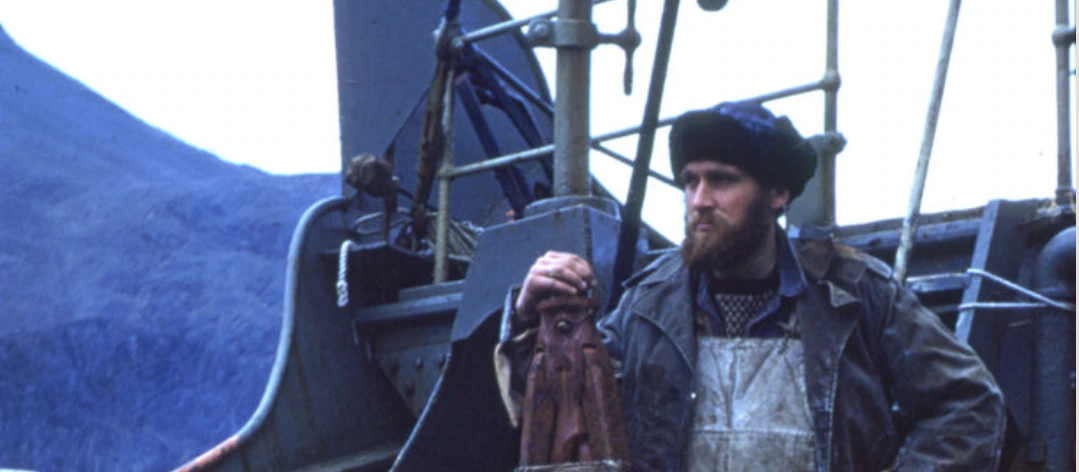
'Have you got what it takes? Are you up for the challenge? Visit Ice Station Antarctica to find out.' This introduction to the Natural History Museum's (NHM) Ice Station Antarctica exhibition is bursting with promise of an action-packed experience for young visitors. It certainly sounds enticing enough to encourage people to purchase tickets at £7 for an adult, £4.50 for a child and £19 for a family.
Ice Station Antarctica is a partnership project between the NHM and the British Antarctic Survey to support International Polar Year. This relationship has ensured direct access to researchers who are used as case studies throughout the exhibition. It therefore does an excellent job of describing what scientists do in the Antarctic and the difficulties of living there. It mostly avoids discussing environmental issues and instead aims to inspire a general interest in the coldest continent on earth.
The exhibition is designed for families with children over seven, but I don't think there was sufficient interactivity to keep children less than ten years old engaged. The exhibition requires a lot of patience and families with younger children tended to pass through very quickly, missing some nice touches.
When I purchased my ticket, I was instructed to keep it handy to scan the barcode at several Ice Station Challenges throughout the exhibition. This digital trail enables your scores to be stored at each challenge until you reach the end, when you use it to graduate as an Ice Cadet. I was optimistic about this trail, as I have seen it work in other exhibitions to focus visitors and keep them engaged until they reach a final task. In addition it helps to create a more personalised experience.
The entrance to the exhibition is through a walk-in freezer at a temperature of minus 10C, preparing us to explore the South Pole. After a few chilling minutes we were released into a dressing room piled high with clothing and equipment donated by Antarctic researchers. There was a fantastic choice of coats, boots, and hats for visitors to try on, each of them labelled with who wore them and for what purpose. The first task in the Ice Station Challenge is located here. This basic computer game was not as much fun as the dressing up and the barcode scanner was temperamental, a problem that continued throughout the exhibition.
The exhibition is made up of a series of pods that give an impression of ice enclosures and are used to create mini-environments. Each pod deals with a different aspect of science and/or life in the Antarctic. Visitors are invited to take up challenges such as 'living with animals' and 'living in two months of darkness'.
The pods use a combination of specimens, equipment from the British Antarctic Survey, models, accounts from researchers working in Antarctica, audiovisuals and computer interactives. It is an effective mix of interpretation. I particularly enjoyed sitting on a full-size model of a snow mobile and looking into a extreme-weather tent with a lantern, stove and sleeping bag set up inside.
But I was disappointed that there were only a few challenges and very few opportunities to use the barcode scanners. The best of the four challenges I completed was to take control of a snow mobile (in an arcade-style game) and collect as many meteorites as possible, avoiding frozen lakes and penguins, all before the fuel ran out. Another interactive involved diving under sea ice to photograph as many creatures as possible before the air tank ran out. It's a great idea, but was tricky to use as there were no instructions on the controls and they were over sensitive.
When I reached the Graduation Station at the end of exhibition I was congratulated on completing Ice Station Antarctica and gaining all the skills needed to survive in the Antarctic. But I felt I had read about scientists surviving the challenges rather than having accomplished much myself. And I scanned my ticket at the final computer terminal, only to be met with a beep and an unchanging screen - not the gratification I was hoping for.
I was expecting to find out what role in the Antarctic I would be suited for based on the results of my challenges. I tried again using the other two computers, but nothing happened. I watched seven other visitors pass through with the same result. All assumed the ticket scanners were faulty and left the exhibition disgruntled.
On leaving the exhibition I noticed a graphic inviting new Ice Cadets to sign-up online for further Ice Station Challenges. I have since signed up and played a couple of games, which probably would be fun for young children. There is also plenty of information on activities relating to International Polar Year. This is a good way of motivating people to continue exploration and learning beyond the visit.
While there is something for everyone in this exhibition, I didn't feel there was quite enough. With the vast array of collections and interactive exhibits available for free in the rest of the museum, the NHM needs to deliver something special in order to stand out.
I'm not sure many family visitors would find the £19 ticket value for money. The exhibition doesn't follow through on its early promise of action - 'Are you up for the challenge?' If it was marketed based on its strengths in raising the profile of the life of an Antarctic researcher, rather than building hopes of inter-activity, then it would better meet expectations.
Vicky Brightman is the head of learning at the Horniman Museum, London
Project data
Cost: £1.4m Main funders: Natural History Museum patrons, Voyage of Discovery; Concept and design: Land Design Studio; Main contractor: Edwin Dyson and Sons; Interactive exhibits: AllOfUs Design Ltd, Paragon Creative, Natural History Museum; Audiovisuals: Spiral Productions, British Antarctic Survey; Exhibition ends: 6 April 2008
Ice Station Antarctica is a partnership project between the NHM and the British Antarctic Survey to support International Polar Year. This relationship has ensured direct access to researchers who are used as case studies throughout the exhibition. It therefore does an excellent job of describing what scientists do in the Antarctic and the difficulties of living there. It mostly avoids discussing environmental issues and instead aims to inspire a general interest in the coldest continent on earth.
The exhibition is designed for families with children over seven, but I don't think there was sufficient interactivity to keep children less than ten years old engaged. The exhibition requires a lot of patience and families with younger children tended to pass through very quickly, missing some nice touches.
When I purchased my ticket, I was instructed to keep it handy to scan the barcode at several Ice Station Challenges throughout the exhibition. This digital trail enables your scores to be stored at each challenge until you reach the end, when you use it to graduate as an Ice Cadet. I was optimistic about this trail, as I have seen it work in other exhibitions to focus visitors and keep them engaged until they reach a final task. In addition it helps to create a more personalised experience.
The entrance to the exhibition is through a walk-in freezer at a temperature of minus 10C, preparing us to explore the South Pole. After a few chilling minutes we were released into a dressing room piled high with clothing and equipment donated by Antarctic researchers. There was a fantastic choice of coats, boots, and hats for visitors to try on, each of them labelled with who wore them and for what purpose. The first task in the Ice Station Challenge is located here. This basic computer game was not as much fun as the dressing up and the barcode scanner was temperamental, a problem that continued throughout the exhibition.
The exhibition is made up of a series of pods that give an impression of ice enclosures and are used to create mini-environments. Each pod deals with a different aspect of science and/or life in the Antarctic. Visitors are invited to take up challenges such as 'living with animals' and 'living in two months of darkness'.
The pods use a combination of specimens, equipment from the British Antarctic Survey, models, accounts from researchers working in Antarctica, audiovisuals and computer interactives. It is an effective mix of interpretation. I particularly enjoyed sitting on a full-size model of a snow mobile and looking into a extreme-weather tent with a lantern, stove and sleeping bag set up inside.
But I was disappointed that there were only a few challenges and very few opportunities to use the barcode scanners. The best of the four challenges I completed was to take control of a snow mobile (in an arcade-style game) and collect as many meteorites as possible, avoiding frozen lakes and penguins, all before the fuel ran out. Another interactive involved diving under sea ice to photograph as many creatures as possible before the air tank ran out. It's a great idea, but was tricky to use as there were no instructions on the controls and they were over sensitive.
When I reached the Graduation Station at the end of exhibition I was congratulated on completing Ice Station Antarctica and gaining all the skills needed to survive in the Antarctic. But I felt I had read about scientists surviving the challenges rather than having accomplished much myself. And I scanned my ticket at the final computer terminal, only to be met with a beep and an unchanging screen - not the gratification I was hoping for.
I was expecting to find out what role in the Antarctic I would be suited for based on the results of my challenges. I tried again using the other two computers, but nothing happened. I watched seven other visitors pass through with the same result. All assumed the ticket scanners were faulty and left the exhibition disgruntled.
On leaving the exhibition I noticed a graphic inviting new Ice Cadets to sign-up online for further Ice Station Challenges. I have since signed up and played a couple of games, which probably would be fun for young children. There is also plenty of information on activities relating to International Polar Year. This is a good way of motivating people to continue exploration and learning beyond the visit.
While there is something for everyone in this exhibition, I didn't feel there was quite enough. With the vast array of collections and interactive exhibits available for free in the rest of the museum, the NHM needs to deliver something special in order to stand out.
I'm not sure many family visitors would find the £19 ticket value for money. The exhibition doesn't follow through on its early promise of action - 'Are you up for the challenge?' If it was marketed based on its strengths in raising the profile of the life of an Antarctic researcher, rather than building hopes of inter-activity, then it would better meet expectations.
Vicky Brightman is the head of learning at the Horniman Museum, London
Project data
Cost: £1.4m Main funders: Natural History Museum patrons, Voyage of Discovery; Concept and design: Land Design Studio; Main contractor: Edwin Dyson and Sons; Interactive exhibits: AllOfUs Design Ltd, Paragon Creative, Natural History Museum; Audiovisuals: Spiral Productions, British Antarctic Survey; Exhibition ends: 6 April 2008