If you are the kind of person who enjoys thingamabobs and paraphernalia, then the Cuming Museum is just for you. It is everything that a local authority museum should be: small enough to hold your attention during a rainy afternoon, but diverse enough to ensure there is something of interest for everyone.
On the rainy afternoon in question, it was a pleasure to wander through the galleries and learn about the eccentric Cuming family and the history of the London Borough of Southwark.
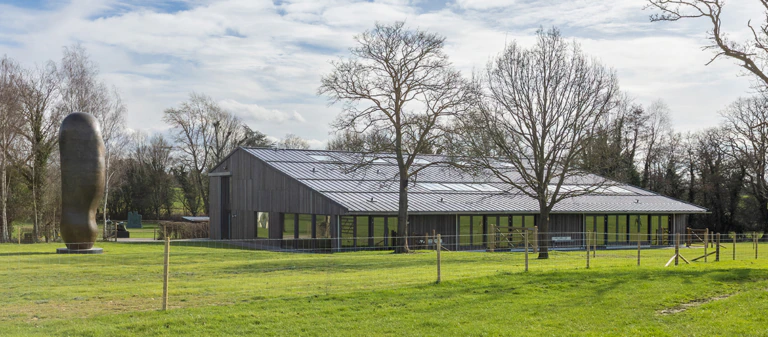
The museum celebrated its centenary in 2006 with a brand new fully accessible gallery located in the building next door to the original 1906 version. The new museum has the luxury of three well-defined, if intimate, spaces, each one dealing with a separate subject. The next phase of development includes a separate learning space for structured teaching sessions.
The first room is a treasure trove of curiosities, reminiscent of a Victorian parlour. From 1782 to 1900, Richard Cuming and his son Henry collected more than 25,000 artefacts from around the world.
What might seem strange to a modern audience with our familiarity with budget airlines and low-cost travel is that the Cumings were purely armchair travellers. They lived during an era when the British empire was expanding at a phenomenal rate and expeditions were regularly sent to explore new lands, yet they never actually ventured beyond England.
The Cumings combed auctions and salerooms for collectables and managed to bag some gems with an inscrutable provenance, such as items from the Pacific voyages of Captain Cook. For anyone wondering where the Cumings found the time and money to follow their intriguing pastime, a text panel tells us that Richard and Henry did not need to work for a living because they were independently rich.
Later that afternoon, while I walked along the stalls of Walworth's street market, I wondered what local visitors might feel about this statement and the collection it refers to. Would they consider it representative of the ennui of a pair of Victorian middle-class twits? Or would they be more generous and regard it as symbolic of the eccentric nature of the British?
Needless to say, the collection is almost impossible to categorise. The showcases are crammed with objects, some of which have hardly seen the light of day in the past 100 years. The exhibition planner inside my head sucked her teeth at the higgledy-piggledy array of curios and labels, while the curator inside my heart leapt with joy at the assortment of unusual ephemera and paraphernalia waiting to be discovered.
The collection is divided into discrete groupings such as royal memorabilia, fakes and forgeries, good luck charms and stuffed animals. You can sense the excitement that the curators undoubtedly felt while rummaging through stores and checking inventories, making lists of long-hidden treasures for display.
Whatever you do, don't miss the dentist's cap dating from the mid-19th century, decorated with the grisly materials of his trade: scores of teeth carefully sewn onto the fabric like precious jewels.
The mood changes in the middle gallery, which is dedicated to the history of Southwark and its people. The design is contemporary and vibrant and includes plenty of interactive elements for families. Links are made between the borough and the rest of the world through themes such as trade, warfare, conquest and migration. Stories of local celebrities (Faraday and Shakespeare, for example) are presented alongside those of ordinary citizens.
I felt particularly inspired by a set of over-sized 'books' made of wood, each cover 'branded' with the name of a local person whose story is presented inside. These were the result of an oral history project that culminated in the books being created by a local craftswoman. As well as being a pleasure to handle they provide tangible evidence of the hidden histories to be found within a local community.
The final gallery is a simple white cube for temporary exhibitions, with a cleverly designed hanging system that allows temporary 'walls' to concertina across the room and divide the space into smaller areas. The current exhibition showcases the Southwark Art Collection, which contains pieces ranging from Victorian watercolours to work by contemporary artists connected with the area, including many well-known names such as Peter Blake and Keith Tyson.
The whole museum shows what can be achieved with a limited budget and space matched with boundless enthusiasm and creativity. Although many of the design elements are too flimsy to stand up to the rigours of a national museum, with its demanding audience and constantly changing display programme, the presentation and attention to detail is first class.
The exhibition designer, Real Studios, has obviously put a lot of thought into creating a separate identity for each space through careful use of materials, colour and light. The proportions in the small rooms work well and text panels are clearly written and easy to read. Pull-out drawers filled with goodies are at a great height for kids who want the autonomy to discover things for themselves, while systems are flexible enough to allow the curators to make minor changes without the need for expensive upgrades.
The galleries are clean and well maintained, which is always a good sign of the respect and pride felt by the people who manage a public space. The people of Walworth should also feel proud to have this gem of a museum on their doorstep.
Maria Blyzinsky is the senior exhibitions manager at the National Maritime Museum, London
On the rainy afternoon in question, it was a pleasure to wander through the galleries and learn about the eccentric Cuming family and the history of the London Borough of Southwark.
The museum celebrated its centenary in 2006 with a brand new fully accessible gallery located in the building next door to the original 1906 version. The new museum has the luxury of three well-defined, if intimate, spaces, each one dealing with a separate subject. The next phase of development includes a separate learning space for structured teaching sessions.
The first room is a treasure trove of curiosities, reminiscent of a Victorian parlour. From 1782 to 1900, Richard Cuming and his son Henry collected more than 25,000 artefacts from around the world.
What might seem strange to a modern audience with our familiarity with budget airlines and low-cost travel is that the Cumings were purely armchair travellers. They lived during an era when the British empire was expanding at a phenomenal rate and expeditions were regularly sent to explore new lands, yet they never actually ventured beyond England.
The Cumings combed auctions and salerooms for collectables and managed to bag some gems with an inscrutable provenance, such as items from the Pacific voyages of Captain Cook. For anyone wondering where the Cumings found the time and money to follow their intriguing pastime, a text panel tells us that Richard and Henry did not need to work for a living because they were independently rich.
Later that afternoon, while I walked along the stalls of Walworth's street market, I wondered what local visitors might feel about this statement and the collection it refers to. Would they consider it representative of the ennui of a pair of Victorian middle-class twits? Or would they be more generous and regard it as symbolic of the eccentric nature of the British?
Needless to say, the collection is almost impossible to categorise. The showcases are crammed with objects, some of which have hardly seen the light of day in the past 100 years. The exhibition planner inside my head sucked her teeth at the higgledy-piggledy array of curios and labels, while the curator inside my heart leapt with joy at the assortment of unusual ephemera and paraphernalia waiting to be discovered.
The collection is divided into discrete groupings such as royal memorabilia, fakes and forgeries, good luck charms and stuffed animals. You can sense the excitement that the curators undoubtedly felt while rummaging through stores and checking inventories, making lists of long-hidden treasures for display.
Whatever you do, don't miss the dentist's cap dating from the mid-19th century, decorated with the grisly materials of his trade: scores of teeth carefully sewn onto the fabric like precious jewels.
The mood changes in the middle gallery, which is dedicated to the history of Southwark and its people. The design is contemporary and vibrant and includes plenty of interactive elements for families. Links are made between the borough and the rest of the world through themes such as trade, warfare, conquest and migration. Stories of local celebrities (Faraday and Shakespeare, for example) are presented alongside those of ordinary citizens.
I felt particularly inspired by a set of over-sized 'books' made of wood, each cover 'branded' with the name of a local person whose story is presented inside. These were the result of an oral history project that culminated in the books being created by a local craftswoman. As well as being a pleasure to handle they provide tangible evidence of the hidden histories to be found within a local community.
The final gallery is a simple white cube for temporary exhibitions, with a cleverly designed hanging system that allows temporary 'walls' to concertina across the room and divide the space into smaller areas. The current exhibition showcases the Southwark Art Collection, which contains pieces ranging from Victorian watercolours to work by contemporary artists connected with the area, including many well-known names such as Peter Blake and Keith Tyson.
The whole museum shows what can be achieved with a limited budget and space matched with boundless enthusiasm and creativity. Although many of the design elements are too flimsy to stand up to the rigours of a national museum, with its demanding audience and constantly changing display programme, the presentation and attention to detail is first class.
The exhibition designer, Real Studios, has obviously put a lot of thought into creating a separate identity for each space through careful use of materials, colour and light. The proportions in the small rooms work well and text panels are clearly written and easy to read. Pull-out drawers filled with goodies are at a great height for kids who want the autonomy to discover things for themselves, while systems are flexible enough to allow the curators to make minor changes without the need for expensive upgrades.
The galleries are clean and well maintained, which is always a good sign of the respect and pride felt by the people who manage a public space. The people of Walworth should also feel proud to have this gem of a museum on their doorstep.
Maria Blyzinsky is the senior exhibitions manager at the National Maritime Museum, London