The S&DR200 festival is a nine-month celebration to mark 200 years since the first trip of the Stockton & Darlington Railway (S&DR), carrying goods and passengers.
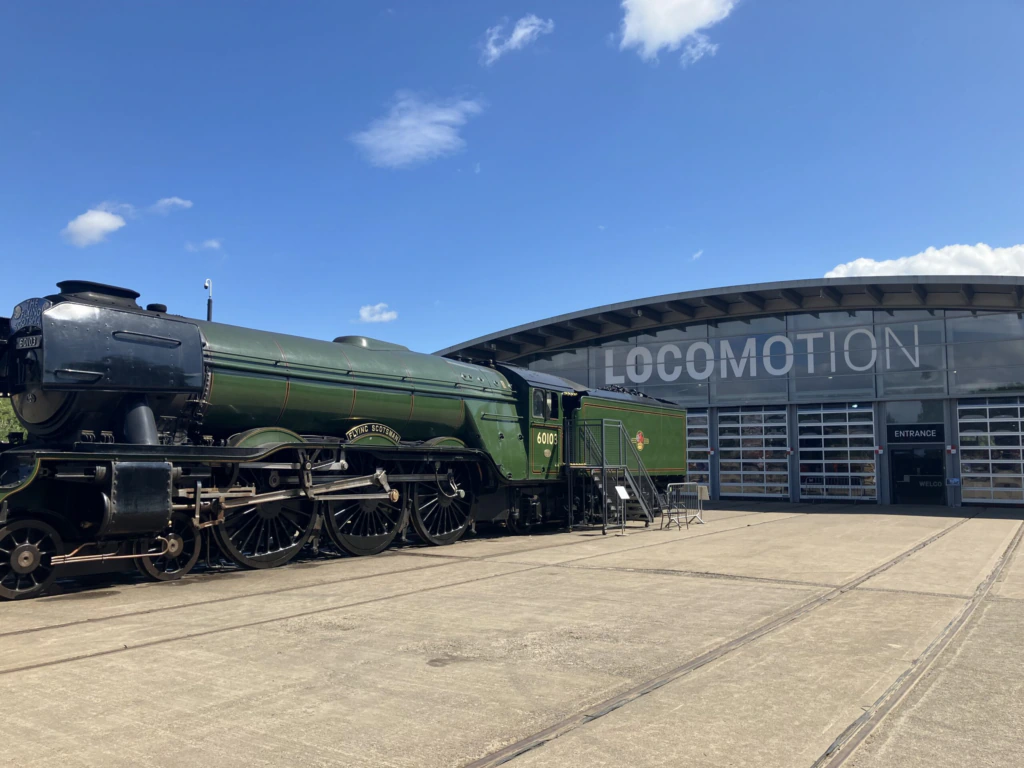
The festival is being hosted by several museums, including Locomotion Museum in Shildon.
Last weekend the festival celebrated the date of the first railway trip with an anniversary journey that saw a newly renovated replica of Locomotion No. 1 travel along sections of the original railway track.
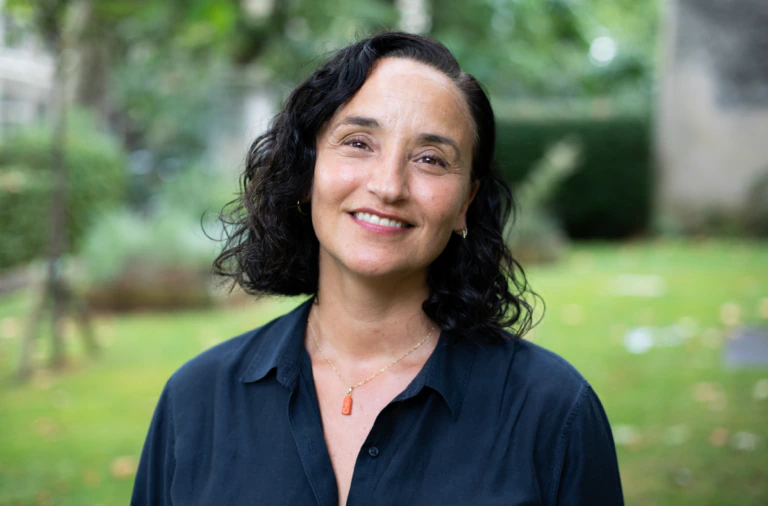
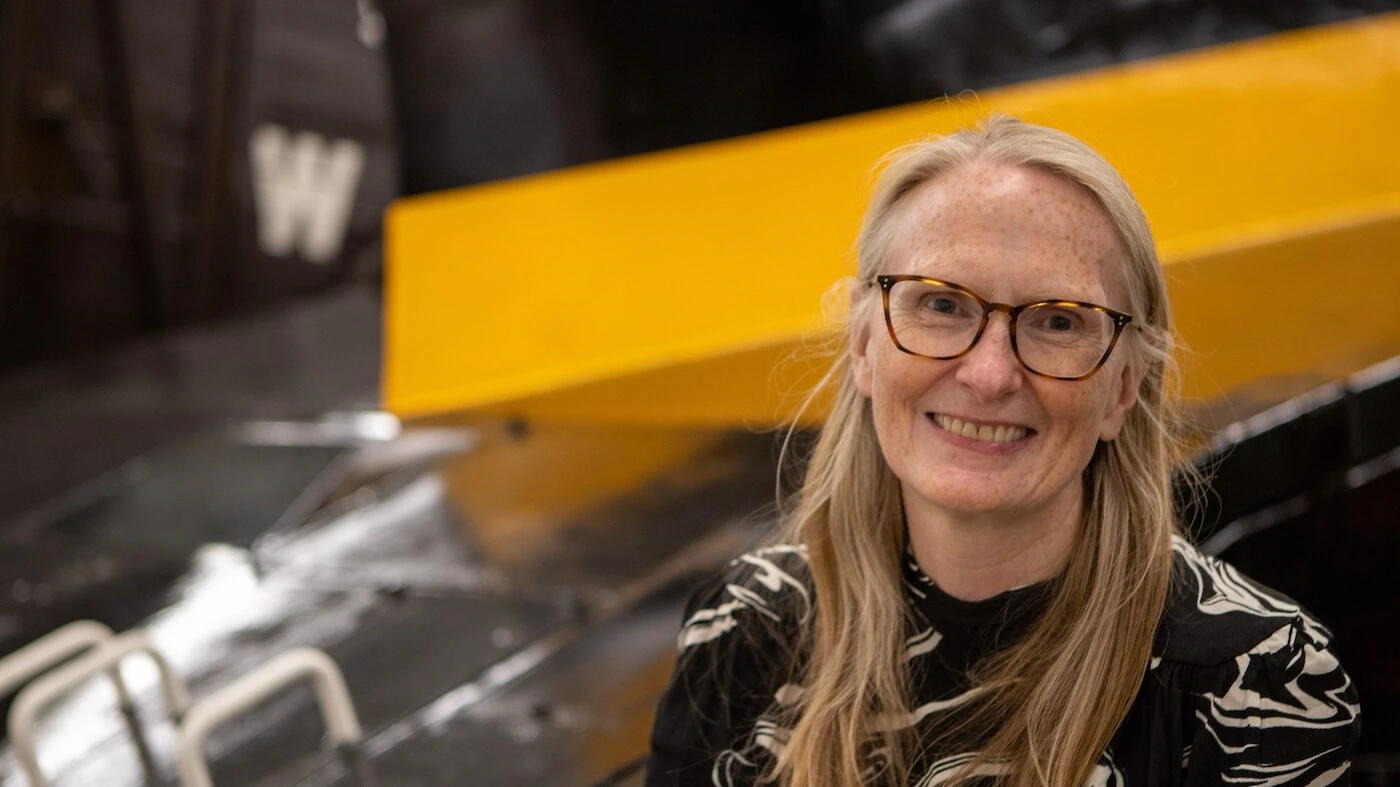
Museums Journal caught up with Locomotion Museum director Sarah Price to hear about her role in organising the festival, and the importance of telling the story of the railways in Shildon.
What is your role in the S&DR200 festival?
As head of Locomotion Museum, we’re one of three anchor sites for the S&DR200 festival, alongside Hopetown in Darlington and Preston Park Museum and Gardens in Stockton-on-Tees.
Advertisement
We’ve been working on our programme for all of this year, because we didn’t want it to be just a day or a weekend.
We wanted it to be a whole year of celebrations because that way we can tell this really important story.
Ideally, people will not only come here, but also go to Stockton and Darlington, which puts this story and our area on the cultural map.
What are some of the activities going on during the festival?
The big centrepiece was obviously the recreation of the first journey, when Locomotion No. 1 set off from Shildon on 27 September 1825 and with passengers onboard, although it was meant to be just a freight train.
The journey took three days because we wanted to make sure people could see it and experience it. Although steam is still on the main line, these early locomotives are so different and we wanted people to marvel at that.
Advertisement
One of the things we were really keen to do here is based around the idea that 200 years ago people came here to see the future.
They came to see something that was new and exciting and that would transform lives. We are telling that story.
We want to bring inspiration that tells the story of the past, present and future of the railways. We also aimed at the family audience, to try to get children and young people to understand the significance of the railway, and what their future might be with the railways.
We’ve been working with industry partners to bring up what we’re calling the next generation of rail vehicles, three of which are displayed for the festival.
We’re looking at making things greener and more efficient because railways have been around for 200 years and we want them to be around for another 200 years.
What has been a highlight of organising the festival?
All the events are amazing, but I think my highlight would be the response from people who live in this area and how proud they are of their heritage again.
Advertisement
They’re getting the sense that their story is important and needs to be told. Shildon was so intimately involved in that early railway story and we’re really proud of our history and heritage.
At Locomotion Museum, we don’t want to sit on the fringe of our town but be part of it and tell its story.
In our New Hall, which we opened last year, there’s a whole section dedicated to vehicles that were built or restored in Shildon, and it’s the first time we’ve highlighted the fact that this tiny little town played such a massive part in a global story.
What is the importance of the railway to the area?
Railways are a global story, but we wanted to take it back to where it started. This is a region that has always had creativity and ingenuity, which the railways are very much part of, but with post-industrial decline, not everybody believes that.
This was the absolute epicentre of new technology. When the S&DR opened, people from across the world started coming to the north-east.
The first locomotive to operate in Russia was built in Shildon, as was the first to operate in British North America.
It’s a powerful, inspiring story about telling people they can do things, and about partnership. This is what we can do, we can show how ordinary people were part of that story.
What are the main challenges associated with heritage of this kind?
One of the issues is the way we have to display things like rail carriages.
They have to be on open display and we have to be mindful of how we allow visitors to interact with them.
They also decay. Everybody thinks they’re really robust, which they are, but they pose certain challenges that we need to be on top of, just like you would be with traditional museum objects.
There can be tensions, because some people would love to see everything operational.
We keep a certain percentage of our collection vehicles operational because we understand that that’s important to people, but we can’t keep everything working. So that is always on our mind.
For our replica Locomotion No. 1, we’ve actually supported it on a frame. It’s been on display since the 1850s, and if it just sat on its wheels now, they would start to splay out.
We had to build a frame underneath to take all the pressure, but the vehicle looks like it’s actually on the rails.
We developed that to make this work, but we’re always learning in the museum world.
We’re undergoing a big transformation across here and our sister museum, the National Railway Museum, so we’re actually using that method for a lot of the other early locomotives as well.
What do you hope the legacy of the festival will be?
We want people to understand the significance of the railways to their own life.
This isn’t just about being able to go from A to B as a passenger on a train. The railways play a much more significant part in our lives.
We want people to understand that, and even think they could go on to work in the railways. There’s a skills shortage in the railway industry, and we want people to see opportunities.
It's also a very real celebration of something that we led the world in for such a long time, and something that we should rightly be proud of.
My own personal aim is just for people in this area to be really proud of their story.