A study has found that the Natural History Museum accounted for 59% of all items and 75% of the human remains returned by UK heritage institutions between 2010 and 2022.
Led by University College London (UCL), the study examined the scale and nature of cultural repatriation during the 12-year period.
It found that 491 cultural items were returned across 29 case studies involving seven recipient countries.
Over half (59%, 288 items) of all repatriated items were completed by the Natural History Museum in London.
The study, which was published in Heritage & Society, found that human remains accounted for 69% of all items returned, with 75% of those remains coming from the NHM.
The remains had been historically collected for various purposes, including medical teaching, pseudoscientific research into racial anatomy and ethnographic displays.
Advertisement
Of the human remains repatriated, 97% were returned to Australia or New Zealand and most were intended for reburial.
From 2019 onwards there was a shift in the type of material being returned, the research found, with an increase in the repatriation of cultural heritage items, including sacred and religious objects.
A total of 153 cultural heritage items were returned over 12 years. Almost half (48%) of those items consisted of Benin material repatriated to Nigeria.
The study’s lead researcher Rachel Gatehouse, a doctoral student at UCL's Department of Information Studies, said: “Our analysis shows how the profile of the objects being repatriated is changing, with a more diverse range of items returning to a greater number of countries.
“Sector practice, as well as government policy, should adapt to keep pace with this change.”
The research also found that 67% of returned items went to Indigenous communities rather than national museums in their countries of origin.
Advertisement
Repatriations were generally facilitated through official bodies or government-backed programmes, including the Karanga Aotearoa Repatriation Programme and the Australian Institute of Aboriginal and Torres Strait Islander Studies’ Return of Cultural Heritage project.
Gatehouse said that the return of material directly to Indigenous communities indicated “a shift away from an item preservation focus and towards a living culture focus”.
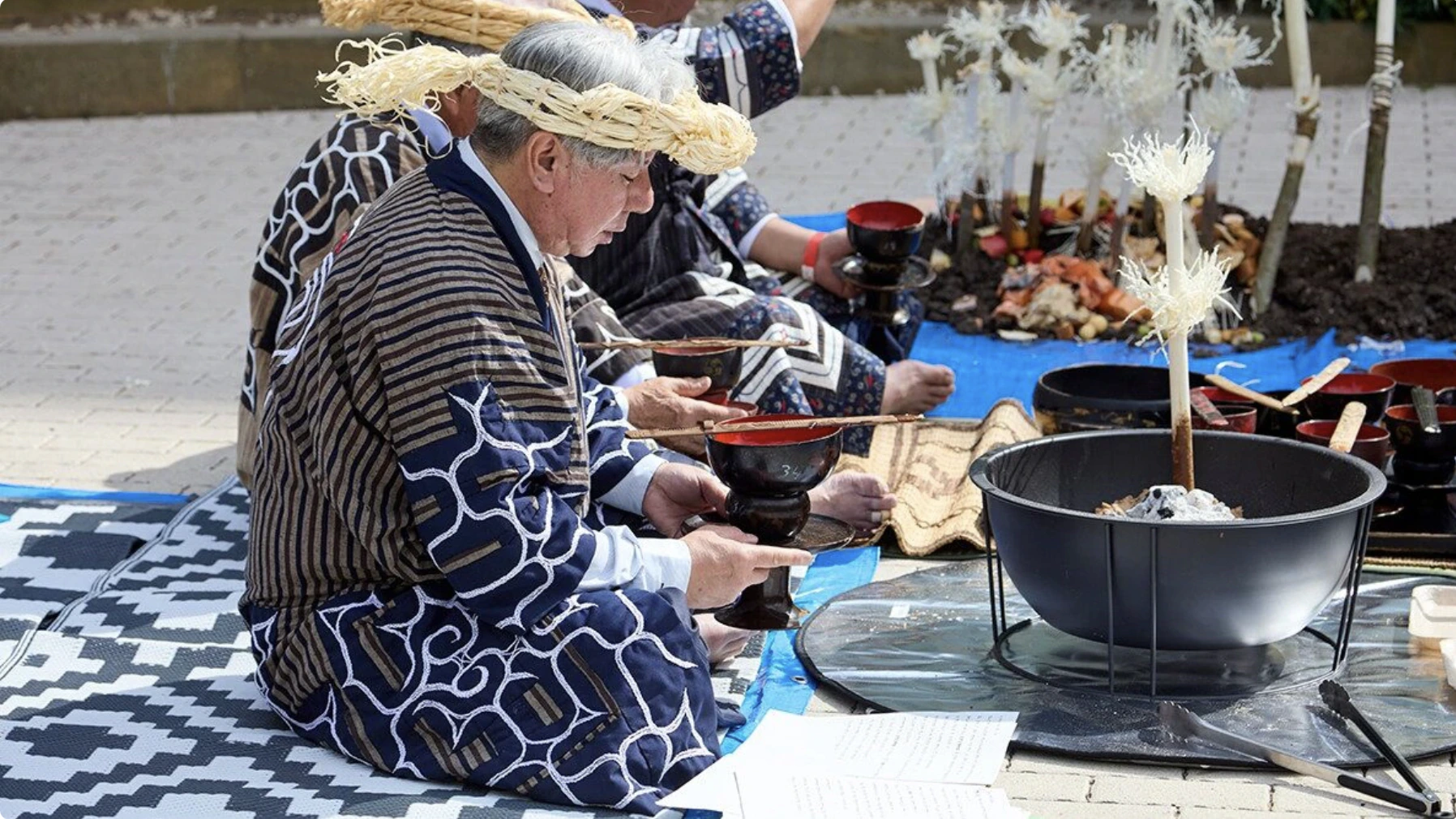
Some of the returned objects are now being used in religious ceremonies outside a museum context.
Co-author Jin Gao, who supervised the research, said that although repatriations had increased slightly over the period, the rate of return was inconsistent.
Most years saw fewer than 30 items repatriated, with a small number of exceptions accounting for much larger totals.
The seven countries receiving material from UK institutions were Ethiopia, India, Canada, New Zealand, Nigeria, the US and Australia. All except Ethiopia have histories of British colonial rule.
Advertisement
The study found that most of the returned items had been removed from their countries of origin during the height of British colonialism, between 1875 and 1910. The researchers said this underlined the continuing influence of colonial-era collecting practices on contemporary repatriation claims.
The study noted that many other former British colonies do not feature among the countries involved in successful returns that were recorded in the database.
Gatehouse said that public debate about repatriation was often dominated by a small number of high-profile disputes, while the wider scale of activity was “underreported and misunderstood”.
“Our data can help move understanding forward. We provide a detailed snapshot of the UK's actual repatriation activity, its trends and patterns,” she said.
The researchers acknowledged that the study's findings were limited by the availability of publicly accessible information, and said inconsistent reporting and differences in how institutions publish details of returns meant some repatriation activity may not have been captured.
The database, compiled from publicly available records, is described as the most comprehensive quantitative overview of repatriation by UK heritage institutions to date.
The research originated in Gatehouse's dissertation for UCL's MA in Digital Humanities. She will continue to examine trends in cultural repatriation as part of her PhD, alongside Gao and her supervisory team.