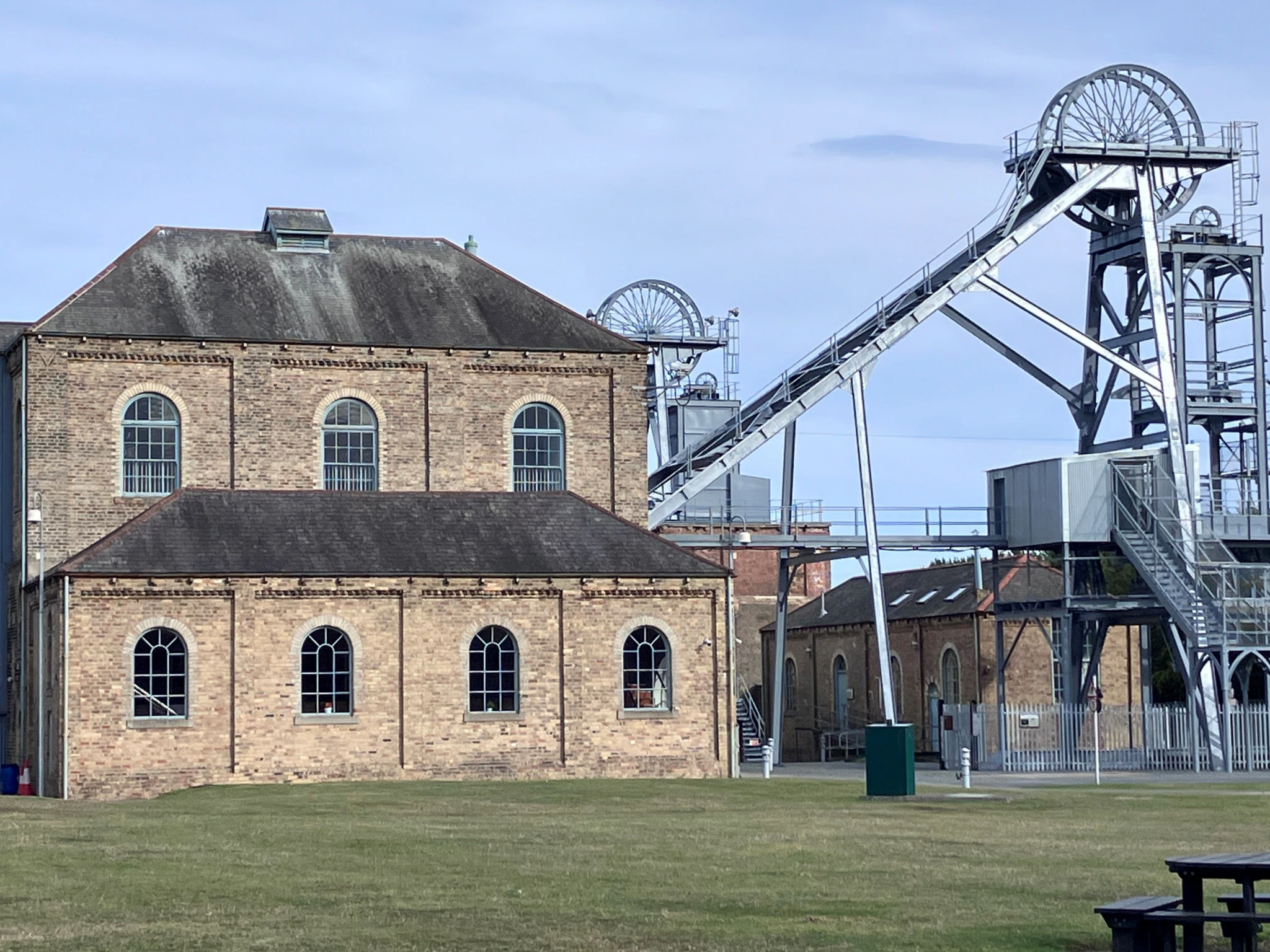
Woodhorn Museum, which was taken over last year by North East Museums, is marking 20 years since a landmark redevelopment was completed at the former colliery.
The £16m redevelopment at Woodhorn, which was completed in 2006, created exhibition spaces, community and learning facilities and a cafe. The scheme also included the opening of the Cutter Building, which became a permanent home for the Ashington Group (also known as the Pitmen Painters) collection of artworks, alongside the collections of Northumberland Archives.
Woodhorn, which is located in what was once the largest pit village in the world, chronicles the life of the Ashington coalmining community. It will celebrate its 20th anniversary during October half term, with the museum’s birthday on 28 October.
The anniversary of the 2006 redevelopment also being marked by the completion of restoration work to the museum’s two heapsteads, the pit heads that were a key part of the mechanism that brought coal to the surface from more than 250 metres underground.
Jo Raw, Northumberland venues manager for North East Museums, said: "Completing the restoration of the heapsteads makes this anniversary particularly special, allowing us to protect an important part of our industrial heritage while reopening more of the historic site for visitors to enjoy."
The centrepiece of the birthday celebrations will be Luminarium Arborialis by Architects of Air, a Nottingham-based company that creates large-scale installations featuring light and colour.
Advertisement
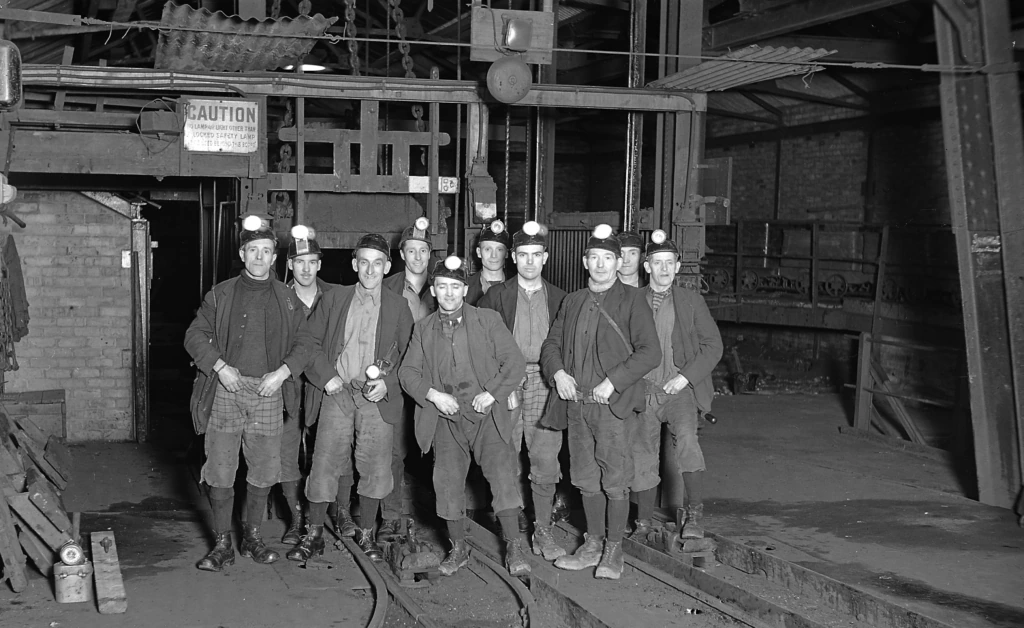
Woodhorn Colliery operated between 1894 and 1981. At its peak there were over 2,000 people working underground at the site and 600,000 tonnes of coal was mined from the pit each year. Woodhorn Colliery closed 27 February 1981, reopening as a mining museum in 1989.
Until 2025, Woodhorn was part of the Woodhorn Charitable Trust, also known by the public-facing name Museums Northumberland, which was due to be wound down at the end of the financial year 2024/25. Two other Museums Northumberland sites, Hexham Old Gaol and Morpeth Chantry Bagpipe Museum, were taken over by the North East Museums Partnership (formerly Tyne & Wear Archives & Museums), which now runs 12 museums and galleries.
The three former Museums Northumberland are run as part of a shared services arrangement with Northumberland County Council.
Berwick Museum & Art Gallery was also run by Museums Northumberland, but was not taken on by North East Museums.
Instead, Berwick Museum & Art Gallery is part of the Berwick Barracks redevelopment, which will be complete in autumn 2027. This £15m regeneration project is funded by the National Lottery Heritage Fund and Arts Council England's Cultural Development Fund.
Advertisement
The scheme includes space to show works by artists including Degas and Boudin donated to Berwick by Sir William and Lady Constance Burrell. There will also be a museum dedicated to King’s Own Scottish Borderers’ collection, family art rooms, educational spaces, artist studios, a cinema, and archive search rooms.
A new glazed building will act as a foyer space that connects the Gymnasium Gallery and the exhibition spaces in the East Block.
The Living Barracks Partnership is a collaboration between Berwick BarracksHeritage Trust, English Heritage, the King’s Own Scottish Borderers, the Maltings (Berwick) Trust and Northumberland County Council.