
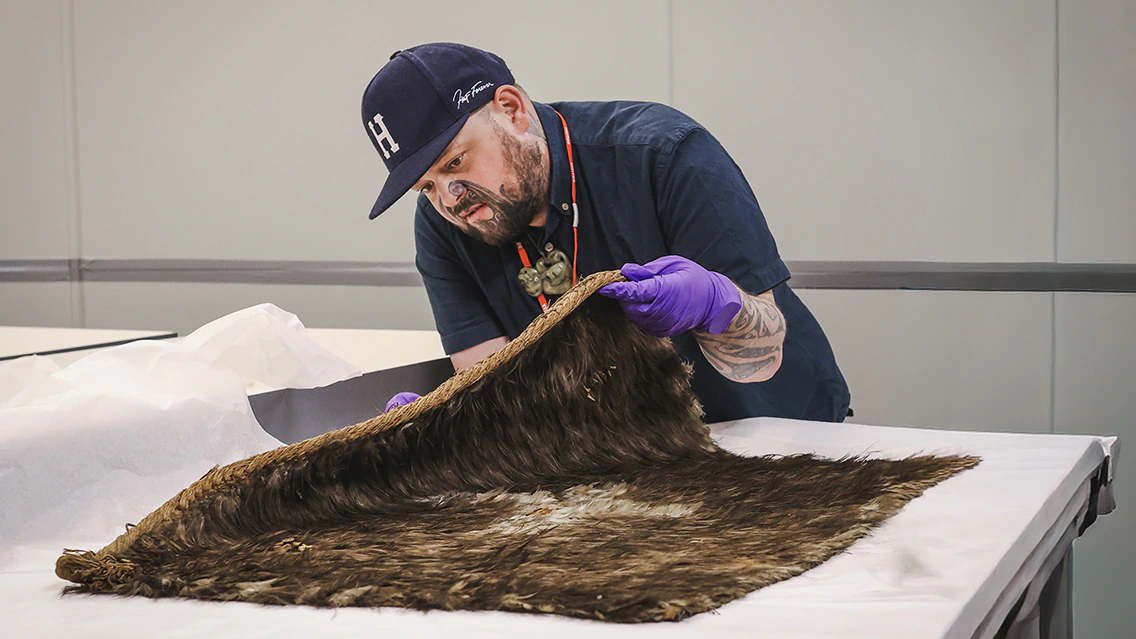
An initiative designed to give Māori cultural leaders the opportunity to lead research and apply Mātauranga Māori (Māori knowledge systems) to taonga Māori collections has launched at the University of Oxford.
The Te Māori Fellowship is a partnership between Te Māori Manaaki Taonga Trust, an organisation that works to promote the understanding of Māori culture; the tertiary education provider Te Wānanga o Aotearoa; and the Pitt Rivers Museum, part of the University of Oxford.
It aims to create international pathways for Māori practitioners to engage with leading cultural institutions, develop specialist skills, and contribute to the future of Māori heritage management.
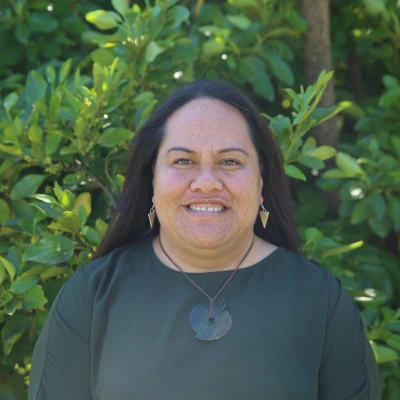
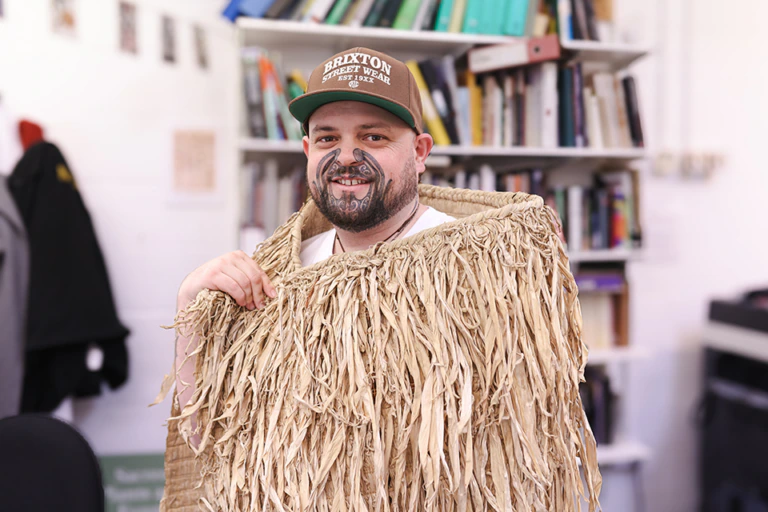
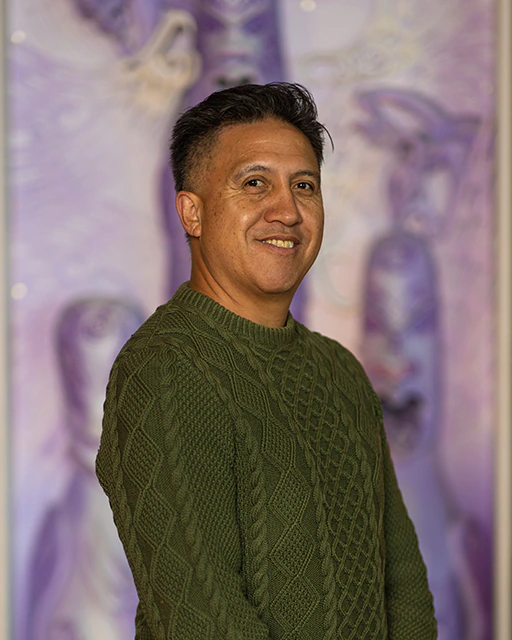
The inaugural grantees, who will work with the Pitt Rivers Museum collection, are digital heritage researcher Chanel Coromandel, master weaver Hamuera Manihera, and cultural interpretation expert Paora Tibble.
These three fellows were selected from more than 100 applicants to undertake the research residency at the museum.
Each Te Māori Fellow will focus on a distinct area of research during their intensive seven-week residency in Oxford, from 12 October to 29 November 2026.
Advertisement
Chanel Coromandel (Ngāti Raukawa, Ngāti Hine, Ngāti Apakura, Ngāti Whanaunga) will apply her digital archiving expertise to the historical archives of Mākereti Papakura, investigating safe approaches to digital care and reconnection.
Hamuera Manihera (Ngāti Kuia, Ngāti Apa ki te Rā Tō, Ngāti Koata, Ngāi Tahu, Ngāti Toa) will explore early contact textile collections, applying generational knowledge to the design of regional heritage storage facilities.
Paora Tibble (Ngāti Porou, Ngāti Tūwharetoa, Ngāti Raukawa, Te Whānau a Apanui) will examine historic labelling methodologies to design a future Māori Language Interpretation Framework, which will support whānau [extended family], hapū [sub-tribe], and iwi [tribe] engagement with collecting institutions.
Glossary of Māori terms
- Kaimahi: Workers, employees.
- Mātauranga Māori: Māori knowledge systems, indigenous wisdom and cultural concepts.
- Tauira: Students, learners.
- Taonga: Valued possessions, heritage, or anything highly prized (in this context, cultural treasures).
- Toi Māori: Māori arts, creative expressions, and living cultural practices.
- Waikato-Tainui: Tribal organisation representing the people from the Waikato-Tainui region.
- Whakapapa: Genealogy, lineage, and the interconnected lineage of the environment, people and objects.
- Whānau / Hapū / Iwi: Extended family / sub-tribe / tribe.
Representatives from the Te Māori Manaaki Taonga Trust, Te Wānanga o Aotearoa and the Pitt Rivers Museum selected the successful applicants.
Ngātaiharuru Taepa, the deputy chair of Te Māori Manaaki Taonga Trust, said: “We were impressed by the extraordinary talent and capability of the applicants. It bodes well for the future care of taonga Māori and the evolution of toi Māori.
Advertisement
“Te Māori Manaaki Taonga Trust sees fellowships as building an enduring pathway for more Māori researchers, practitioners and cultural leaders to connect with taonga Māori collections and institutions around the world.”
Evie O’Brien, Te Kura Toroa (CEO) of Te Wānanga o Aotearoa, said: “These taonga carry whakapapa, knowledge and stories that belong to our people, so creating opportunities for Māori researchers and practitioners to engage with them on their own terms is incredibly important.”
Laura Van Broekhoven, the director of the Pitt Rivers Museum, said: “We are honoured to welcome Chanel, Hamuera, and Paora as our inaugural Te Māori Fellows to Oxford.
“The Pitt Rivers Museum is committed to actively reconciling past museum practices and addressing the ongoing impacts of colonisation on indigenous cultures. Opening our collections and archives to Indigenous Fellows helps address gaps in our knowledge and advance Indigenous-led approaches to interpretation and curation.”
Te Wānanga o Aotearoa acknowledged the British Council Aotearoa New Zealand and the Pacific for their support of the fellowship.

I congratulate everyone involved in this project. It is a brilliant approach which will achieve much greater understanding of collection items.
When I consulted museums regarding the process of repatriation in 2020, a number of people told me that they had very little information about various collection items donated during the colonial period. I was told that typically there might be a very poor description (such as “a grass bowl”) and without necessarily identifying the source country. I drew the problem to the attention of a government funding body (AHRC) at the time, encouraging them to fund this type of residential scheme.
I hope that this wonderful initiative, involving the Pitt Rivers Museum, will prompt funding bodies to support more efforts to help museums gather information about collection items to aid everyone’s understanding.