
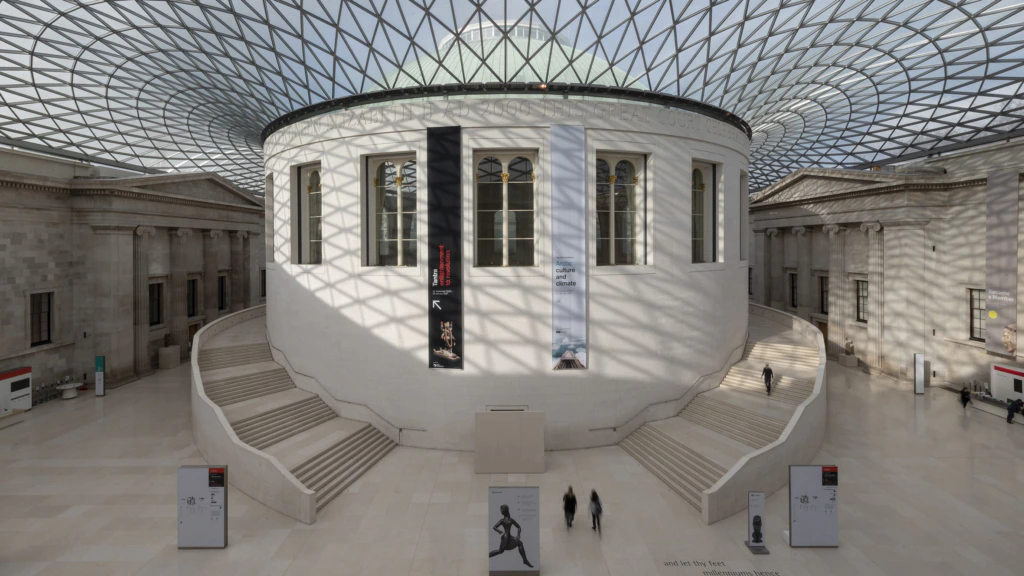
The British Museum is introducing new measures to help improve visitor flow and accessibility at the Bayeux Tapestry exhibition.
The museum issued refunds and free rescheduled tickets to around 200 visitors this week after they were turned away from the exhibition before they had a chance to see the tapestry.
Earlier delays on Wednesday 30 September meant that ticket-holders arriving that afternoon were unable to enter the exhibition before closing time.
The museum shut to the public earlier than usual that day to host a private gala, which was attended by the UK chancellor John Healey.
Museums Journal understands that this closure was pre-planned and accounted for in the exhibition bookings, with timed tickets sold only until 1510. However, delays earlier in the day meant that visitors in later slots were still waiting in line to see the tapestry until just before closing time.
A spokesperson for the museum said: "Unfortunately, delays earlier in the day meant that some visitors were unable to enter at their allotted time. We have apologised to those affected and are giving a refund as well as rescheduling their ticket for free. This was an isolated situation and we appreciate visitors' patience and understanding."
Advertisement
The museum has faced initial problems with queues and visitor flow since the exhibition opened to the public on 10 September, with many people taking longer than the intended 40-minute dwell time to view the tapestry.
Changes in the opening week saw visitors prohibited from taking photos and a recorded message introduced to encourage people to keep moving along the 70-metre-long artwork.
The spokesperson said new measures are being introduced this month, such as an audio guide, to help improve visitor flow.
"We have seen unprecedented demand for the Bayeux Tapestry exhibition and our priority is to enable as many people as possible to see it, while maintaining our commitment to the best possible visitor experience," said a statement from the museum.
Accessibility
The museum has also addressed concerns about accessibility after a visually impaired man, Yusef Ali Osman, filed a legal claim alleging that the exhibition was in breach of the Equality Act 2010 for failing to provide accessible audio tours for blind and visually impaired people.
Advertisement
The spokesperson said an app-based audio guide of the exhibition is due to be released next week, and the museum is exploring the option of adding a separate, fully audio-described tour to the app. British Sign Language and audio-described in-person tours are also programmed for later in the exhibition's year-long run.
A statement from the museum said: "The museum is committed to making the Bayeux Tapestry exhibition as accessible as possible and has worked with specialist access consultants to inform the exhibition experience.
"Provisions include a sensory map to help visitors prepare for their visit, as well as dedicated tours during the exhibition run, which will include an in-person audio-described tour.
"We are also exploring including a separate audio-described tour as part of the exhibition's app-based audio guide."
The spokesperson told Museums Journal that the unprecedented visitor demand meant the Bayeux Tapestry was "not like a normal exhibition in any way".
Other challenges have included the tight turnaround of little more than a year between the announcement of the loan agreement and the exhibition’s opening, as well as the fact that the display is primarily focused on just one object. There are also stringent restrictions on light hours and other display conditions for the artefact.
Advertisement
"At every stage it's been an extremely different beast," said the spokesperson.
The main goal of the exhibition is to ensure as many people as possible can see the tapestry, he added. Measures to support this include free entry for under-16s and dedicated slots for school visits.
"From the start, the aim has always been that we want to share it as widely as possible," said the spokesperson.
This is obviously a reason to extend the viewing period, makes scence.
We are a group of thirty five plus who would need to stay in London , book hotels, transport etc.
This wont come cheap but we are willing to do this as soon as we know if it is extended.
Thank you Maureen, u3a Art Group leader from Liverpool
We were booked in during the second week of opening at 4.10. The situation was pandemonium. Staff said it was like this every day. It took over two hours to get to the tapestry. Once there we were told the lights were being switched off in 20 minutes. 2/3rds the way round it was plunged into darkness and we were thrown out. Staff said this happens every day and some urged us to complain. I had a membership that ran out at the end of September. As we were told we could only have two visits in ten months I arranged both of mine for September. The next was the next week at 4pm. This time we joined the queue early but were refused entry until 4pm despite recounting our tale of woe. Those few minutes earlier meant that we saw the tapestry this time, but despite changes in queueing many would not see it. If you are booked after 4pm you are in trouble and the BM seems determined not to do anything about it. A shambles.
Remember the museum in France re-opens Oct 2027 and it is only a 2 hours train ride from Paris! But if you have already booked your tickets: come prepared – so that you have already made a preselection in your head about the things you really want to look at. Other wise there is so much detail and so little time to take it all in. You could always join a (online) talk on the tapestry, so that you get al the back ground info etc from the talk.