
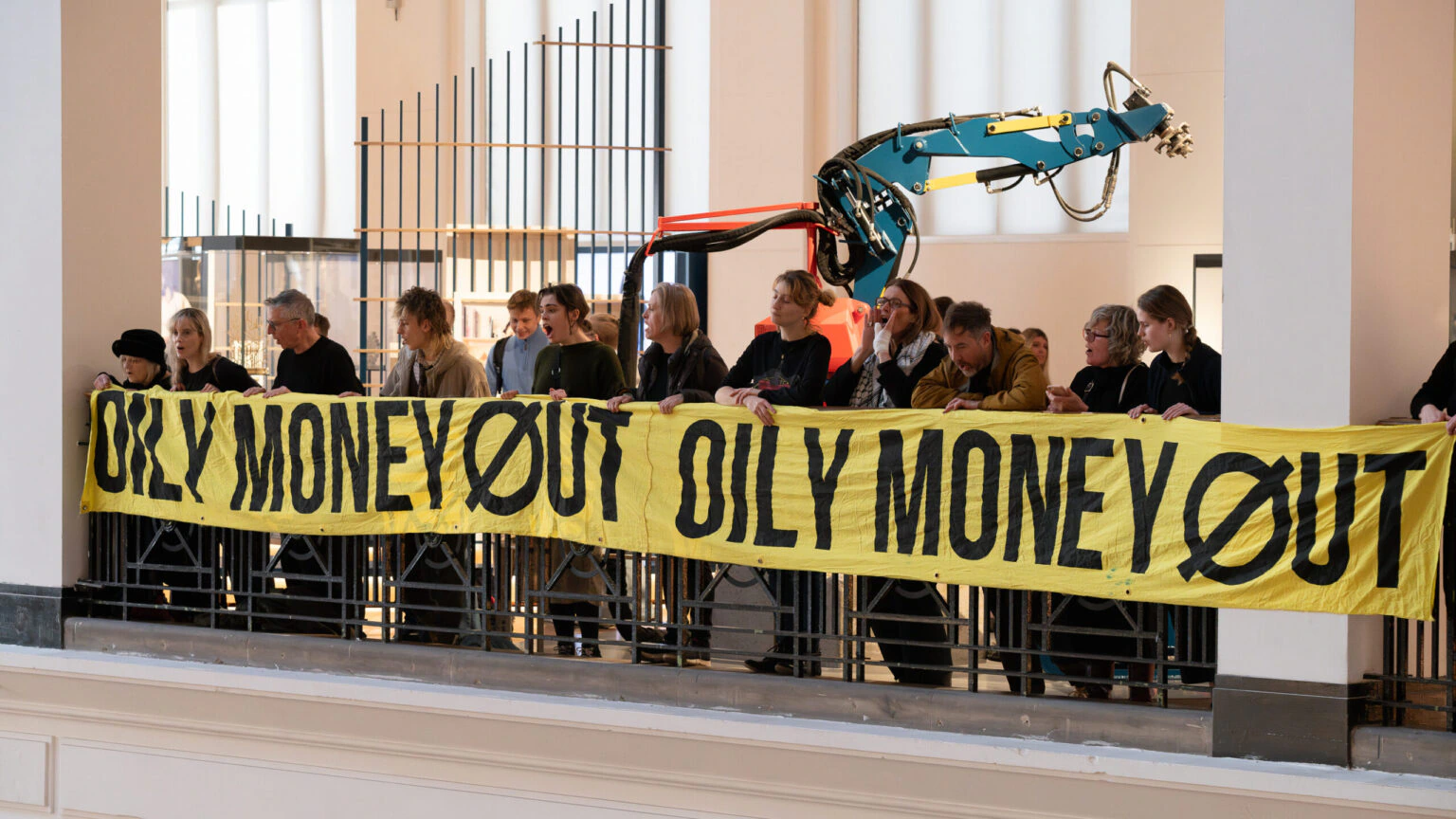
The Science Museum and BP have ended their commercial relationship, following years of high-profile protests by environmental groups.
In a statement, the chief executive of the Science Museum Group (SMG), Ian Blatchford, said its partnership with the company had “drawn to a close” at the end of the current contract term, which was Monday 31 August. The SMG did not give a reason as to why the contract has not been renewed.
The multinational oil and gas corporation's 25-year relationship with the SMG included sponsorship of major exhibitions such as Cosmonauts: Birth of the Space Age, which explored Russian space travel and closed in 2016.
More recently, it funded The Academy, which provides “research-informed training and resources” to teachers and sector professionals. The Academy courses continue to be available to book for 2026 and dates for courses in 2027 will be announced this autumn.
Sustainability
The museum has long been under pressure from campaigners and members of the public to move away from oil and gas sponsorship.
Advertisement
In 2024, it dropped Norwegian oil company Equinor as a sponsor, allegedly over its failure to lower carbon emissions sufficiently to ensure it was aligned with the Paris climate agreement goal of limiting global heating to 1.5C.
The Science Museum’s sustainability policy says it is committed to working with funders that are “on a journey to decarbonise” and uses the Transition Pathway Initiative (TPI) index tool, which rates companies on a scale from Level 0 (“unaware”) to Level 5 (“transition planning and implementation”) to assess partners.
The museum requires all current and prospective partners in the energy sector that are involved in fossil fuel extraction to achieve Level 4 (“strategic assessment”) on TPI's management quality index, and to achieve long-term alignment with the Paris climate agreement goal's 1.5 degree pathway on TPI’s carbon performance index.
BP does currently meet this criteria; it is at Level 5 and, as of June 2025, was on track to achieve the long-term alignment with the climate agreement by 2050.
But Culture Unstained, the pressure group that campaigns against fossil fuel sponsorship of culture, told Museums Journal that it expects BP’s carbon performance to fall when it is next assessed because "it will more fully take account of the company’s abandoning of climate goals and re-investment in new oil and gas projects, which the current assessment doesn’t fully account for".
This appears to be a sector-wide issue. For the past two years, the TPI has been benchmarking the net-zero strategies of companies, which looks at their sustainability actions rather than just their pledges.
Advertisement
Research published in June found “little clear evidence that [major oil and gas] companies plan to transition away from fossil fuels towards climate solutions at the required pace”.
Museums Journal contacted BP for comment on the sponsorship contract ending and its TPI carbon performance.
Chris Garrard, co-director of Culture Unstained, said that the SMG had “finally come to its senses” and dropped BP following this summer's extreme drought and raging wildfires.
“This comes after years of campaigning and growing pressure from educators and schools pledging to boycott trips to the museum while it defended its polluting partnerships,” he added.
The Science Museum continues to have a long-term relationship with the renewable energy arm of coal-producing conglomerate Adani, which has sponsored the Adani Green Energy Gallery at Science Museum London since it opened in 2024.
Elsewhere in the museum sector, the National Portrait Gallery ended its long-running relationship with BP in December 2022. A year later, the British Museum signed a 10-year £50m partnership with the firm to help fund its major redevelopment and masterplan, which includes an Energy Centre Programme to phase out the use of fossil fuels at the museum.
Advertisement
What next for oil sponsorship of culture?
The Museums Association’s 2025 update to the Code of Ethics, takes a much firmer line on ethical sponsorship than its previous iteration, advising museums to “transition away from sponsorship from organisations involved with environmental harm (including fossil fuels), human rights abuses, and other sponsorship that does not align with the values of the museum”.
Ahead of its ratification last October, the Science Museum Group and three other national museums (the British Museum, the National Gallery and the Victoria and Albert Museum), signed an open letter defending the use of corporate sponsorship in the culture sector.
Around the same time, the House of Lords debated whether there should be a ban on fossil fuel advertising and sponsorship, on the grounds that the air pollution and climate damage caused by the sector are a “public health crisis”.
Labour MP Jacob Collier said sponsors target popular sectors such as museums “because we do not remember the product, we remember the feeling, and if the logo has an association with the feeling, the brand has woven itself into the cultural fabric of our society”.