
The Natural History Museum (NHM) and Wellcome have launched a funding programme that will support eight cultural partners to deliver activities exploring the planetary emergency.
The project is part of NHM’s Interconnected Programme, which funds museums and other cultural practitioners to deliver activities for and with their communities.
In the fourth round of the programme, a cohort of eight partners will participate in an online learning programme over the course of 2027-28, which will include sessions with scientists, workshops with cultural practitioners and peer-to-peer support.
The opportunity is particularly focused on museums in rural, post-industrial and coastal towns with established relationships with young people aged 16–25.
Each participating institution will receive a grant of £3,000 to work with young people on the programme. The joint learning process aims to result in community engagement events and activities that improve health outcomes in the face of the changing climate and extreme weather. The programme also includes a meeting between participants and policymakers to discuss climate actions.
The deadline for museums, galleries and other cultural venues across the UK to apply for the programme is 26 October. Although the initiative is part of the NHM's Fixing Our Broken Planet programme, applicants do not need to have been previously involved with this work.
Advertisement
Sian Bird, head of cultural partnerships at Wellcome, said: “This summer’s heatwaves show climate change is already re-shaping our lives. Through our partnership with the NHM and its Fixing Our Broken Planet exhibition, we’ve seen how creativity and culture help people connect with this challenge in ways that are relevant to their own lives, and solution-focused.
“But impacts vary by community, so the Interconnected Programme will help organisations across the UK create locally-relevant activities that reflect real, human experiences – inspiring collective action for a healthier future.”
Interconnected
The NHM has also announced the eight organisations that will be funded in 2026-2027 as part of the Interconnected Programme. They are:
- The Wordsworth Trust in Grasmere, Cumbria, will bring together a professional poet and climate scientists to work with local young people, develop new creative writing and a year-long exhibition at Dove Cottage.
- Wolverhampton Art Gallery will partner with Road2Runway to deliver a youth-focused sustainable fashion programme exploring the relationship between creativity, consumption and environmental impact.
- Stourbridge Glass Museum in the West Midlands will work with young people to transform a neglected canalside walk as part of a wider regeneration project.
- Great North Museum: Hancock, in Newcastle upon Tyne, will collaborate with partners and young people to develop, produce and showcase a film that places youth voices at the heart of the museum’s 2027 public programme exploring the planetary emergency.
- Metal Culture in Liverpool will work support 12 young people from the global majority to share stories of community-led action from the rewilding of their Liverpool neighbourhood.
- Pannett Art Gallery in Whitby, North Yorkshire, will work with local young people to use its collection to explore local impacts of climate change.
- Buxton Civic Association in Derbyshire will support a youth-led project exploring how human activity has shaped Grin Low, one of Buxton’s most significant landscapes.
- Highland Wildlife Park, run by the Royal Zoological Society of Scotland, will bring together local young people for an inclusive event focused on conservation and connection to nature.
Tate partners with RHS on outdoor learning project
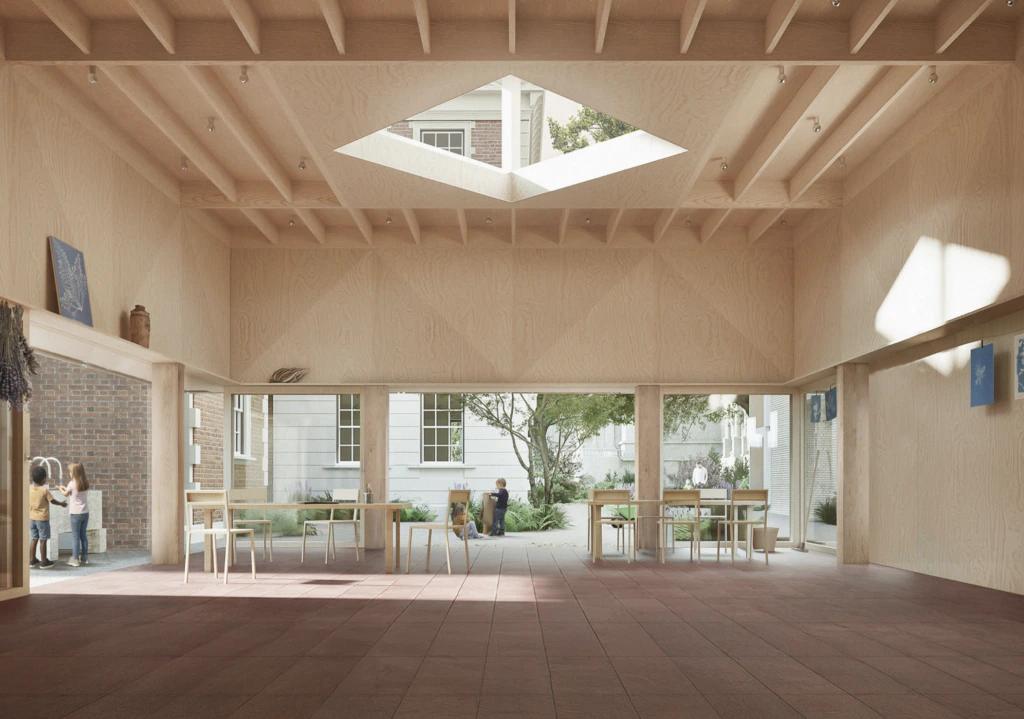
Meanwhile, Tate Britain has announced a partnership with the Royal Horticultural Society (RHS) to launch a long-term learning programme for schools and young people.
Advertisement
Supported by a 10-year funding commitment from the Clore Duffield Foundation, the programme will be based in Tate’s new classroom situation within the Clore Garden, which will offer a flexible sheltered space for learning activities when it opens next spring.
The funded programme includes free term-time workshops for primary, secondary and SEND schools, which aim to reach 600 young people each month; a dedicated programme of workshops for youth groups developed in collaboration with local organisations; and self-guided learning resources to the new garden.
The funding will also support two dedicated RHS roles to lead programme delivery. Titled Creative Ground, it aims to “explore what happens when art and horticulture come together in an inner London public garden”.
Nic Buckley, the head of learning at RHS, said: “The Clore Garden Classroom will be the RHS’ first horticultural learning outpost in the capital for more than 120 years, and will be home to the first ever programme designed specifically for children and young people.
“We’re excited to be partnering with Tate and the Clore Duffield Foundation to give thousands of children and young people opportunities to connect with nature and the arts, develop skills and confidence, and see how creativity, plants and gardening can be a force for good.”
About 400,000 children in Greater London attend schools with less than the recommended 10 square meters of open space per pupil, and 54% of young Londoners state that spending time in green spaces is "extremely important" to their mental health.
Advertisement
“For many young people in London, access to green spaces is limited,” said Vivien Duffield, chair of the Clore Duffield Foundation, which is also funding the Clore Garden. “The garden classroom will give school children a place for hands-on engagement with the natural world, combining horticulture and art. It's a pleasure to see two organisations we've long supported come together in this way.”
The Clore Garden is being designed by landscape architect Tom Stuart-Smith while architecture studio Feilden Fowles has designed the new classroom building.
“The Clore Garden will be a truly transformational project for Tate Britain, and this programme will enable a whole new generation of schoolchildren to enjoy it,” said Alex Farquharson, the director of Tate Britain. “Bringing together art and nature in the heart of London, I’m sure that this beautiful new green space will provide an inspiring springboard for a host of hands-on activities and creative workshops.”
All change at Julie's Bicycle
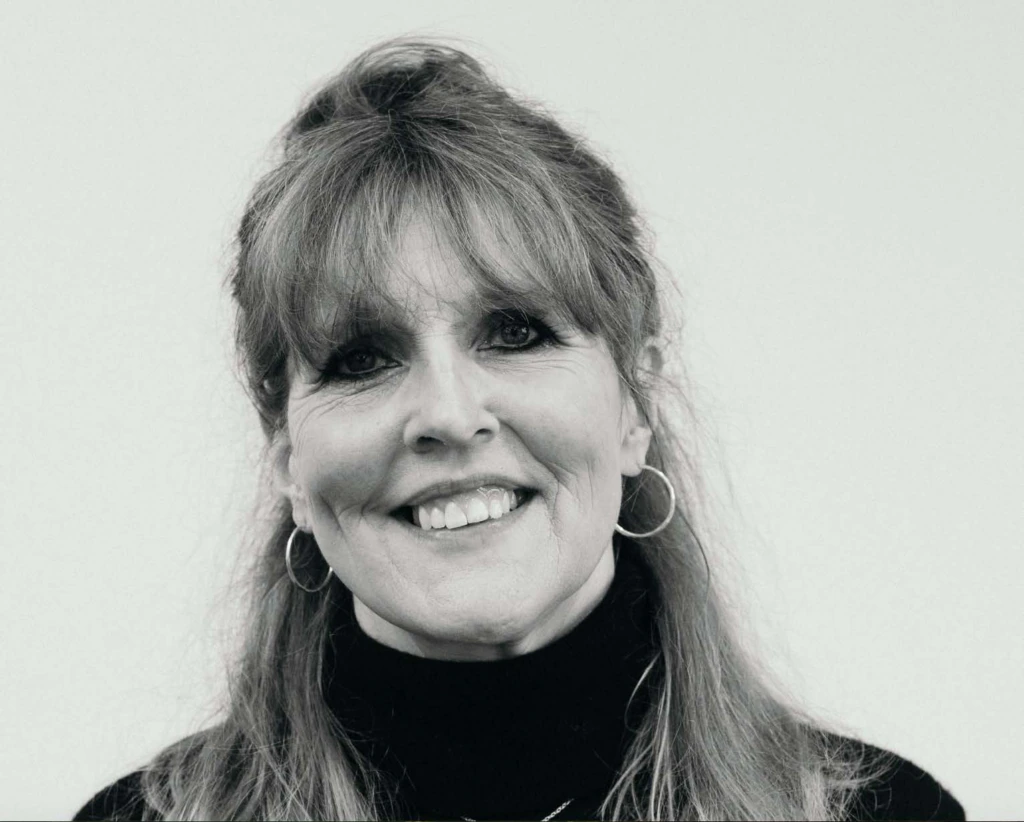
In other climate action news, it has been announced that Alison Tickell is stepping down after almost 20 years leading Julie's Bicycle, the charity she founded to promote work at the intersection of culture and climate action.
Julie's Bicycle has created the comprehensive and freely available resources for the sector, worked hundreds of cultural companies and networks, and been at the forefront of cultural and climate policy globally.
Tickell is moving into a part-time role until the end of 2026 focusing on high-level international policy and systems change advocacy, while supporting the leadership transition.
In addition, the charity's longstanding chair, Tony Wadsworth, is stepping down after 13 years.
Managing director Laura Pando has been appointed interim CEO.
The board of trustees has launched an open, international recruitment process for a permanent CEO this week, with the aim of having a permanent appointment in place by early 2027.
Tickell said: “Being part of JB has been an honour, a journey alongside so many inspirational friends and colleagues. It’s an exciting time, a moment to thank and celebrate our collective contributions to the creative climate movement, and to everything that we will all bring in the future which restores our connection with our world."