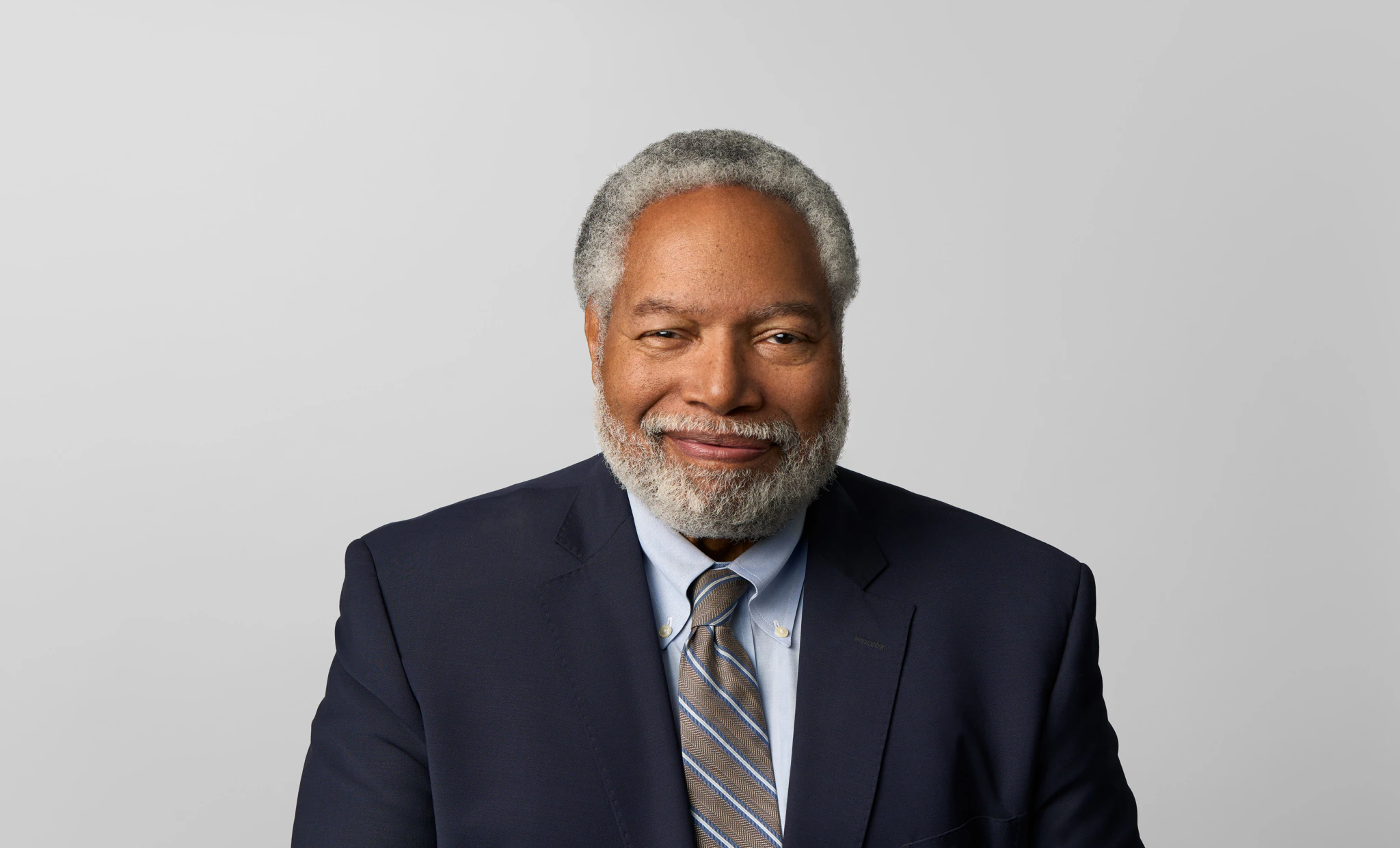
Lonnie Bunch, the secretary of the Smithsonian Institution, the world’s largest museum organisation, announced this week that he is retiring.
Bunch has been the head of the Smithsonian, which he first joined in 1989, since 2019. The organisation has been going through a difficult period because of ongoing criticism from the US president Donald Trump and his administration for being biased and anti-American.
Bunch has responded by affirming the organisation’s commitment to scholarship and research. The Smithsonian has been backed by the bodies such as the American Alliance of Museums, which recently issued a statement condemning the US government’s ongoing attacks on the organisation.
“It is with very mixed emotions and heartfelt gratitude that I announce my retirement from the Smithsonian,” said Bunch, the first African American and first historian to lead the Smithsonian.
“I have spent nearly half of my life working at and being part of the Smithsonian family, and what a privilege it has been. There is no place like the Smithsonian—it has been one of the great loves of my life, and I am extraordinarily proud of what we have accomplished together.”
One of Bunch’s key achievements was the creation of the African American History and Culture Museum, which opened in Washington, DC, 10 years ago.
Advertisement
When Bunch became the founding director of the museum in 2005, it had no building, collection or funding and one staff member. Since opening, the museum has welcomed more than 13 million visitors and has become one of the Smithsonian’s most visited destinations.
As secretary, Bunch oversaw a period of growth across the Smithsonian while advancing plans for two future museums authorised by Congress: the Smithsonian American Women’s History Museum and the National Museum of the American Latino.
“I leave with pride and sadness, gratitude and joy, and with enormous confidence in the people who will carry this remarkable institution forward,” Bunch said.
But with Bunch’s forthcoming departure, the Smithsonian faces an uncertain feature. The organisation said: "Additional details regarding the leadership transition will be announced at a later date."
The Smithsonian is administered by a Board of Regents, which comprises the chief justice of the US, the vice president of the US, three members of the US Senate, three members of the US House of Representatives, and nine citizens. The board will choose Bunch's successor.
The Smithsonian was created by the US Congress in 1846 as "an establishment for the increase and diffusion of knowledge".
Sector reaction
A statement from Museum Hue, a nonprofit organidation dedicated to advancing equity and representation, said: “Bunch wasn’t simply a museum professional or the leader of the Smithsonian. He was someone willing to challenge a field he deeply cherished.
“His seminal essay, Flies in the Buttermilk, called on museums to confront racial inequities within their own institutions. Throughout his career, he continued that work—not only through his words, but through his leadership.
“He helped affirm that culturally specific museums are not peripheral to the museum field, but central to how we understand our history, culture, and communities.”
US membership body the American Alliance of Museums said: “As founding director of the National Museum of African American History and Culture, Lonnie guided one of the most ambitious museum projects in American history from vision to reality. Throughout his career, he challenged museums to tell fuller stories, engage broader audiences, and embrace the responsibilities that come with public trust.
“Lonnie’s legacy cannot be measured solely by the museums he led or the honours he received. It lives in the countless museum professionals he inspired, the stories he helped preserve and elevate, and the stronger museum field he helped build.
“Just as remarkable as his accomplishments are the qualities that defined his leadership: intellectual brilliance, unwavering integrity, genuine warmth, and a gift for bringing people together around a shared purpose. Few museum leaders have so profoundly shaped the stories museums tell, the audiences they serve, and the role they play in American life. We are grateful for his partnership, inspired by his example, and certain that his leadership and influence will continue to resonate across the museum field for generations to come.”