National Museums Liverpool’s (NML) International Slavery Museum is recruiting a cohort of community researchers to explore the “hidden financial networks” that underpinned the transatlantic trade in enslaved people.
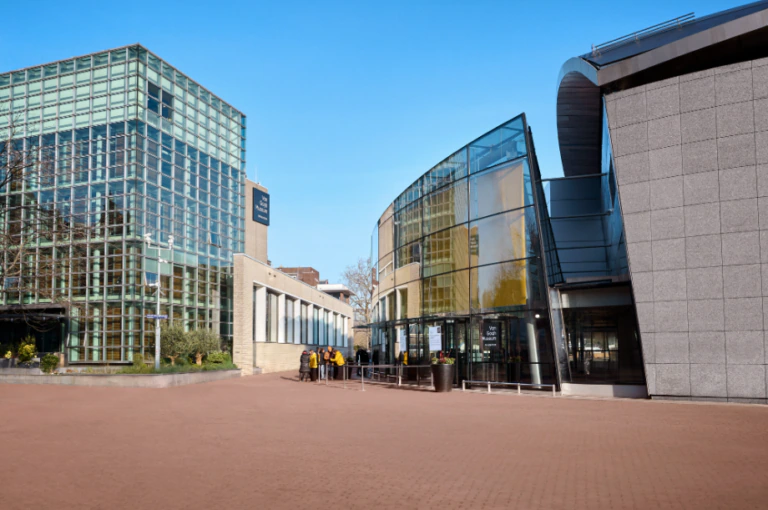
Funded by the Lloyd's Register Foundation, the £1m Connector Project will launch at the Museum of Liverpool on Sunday 23 August 2026, Unesco’s International Day for the Remembrance of the Slave Trade and its Abolition.
The first phase of the project, Overwriting – Underwriting, will examine the insurance system for transatlantic slaving voyages. It will run in partnership with the Centre for the Study of International Slavery (CSIS) at the University of Liverpool.
The project is currently seeking six young people to take part in the first phase.
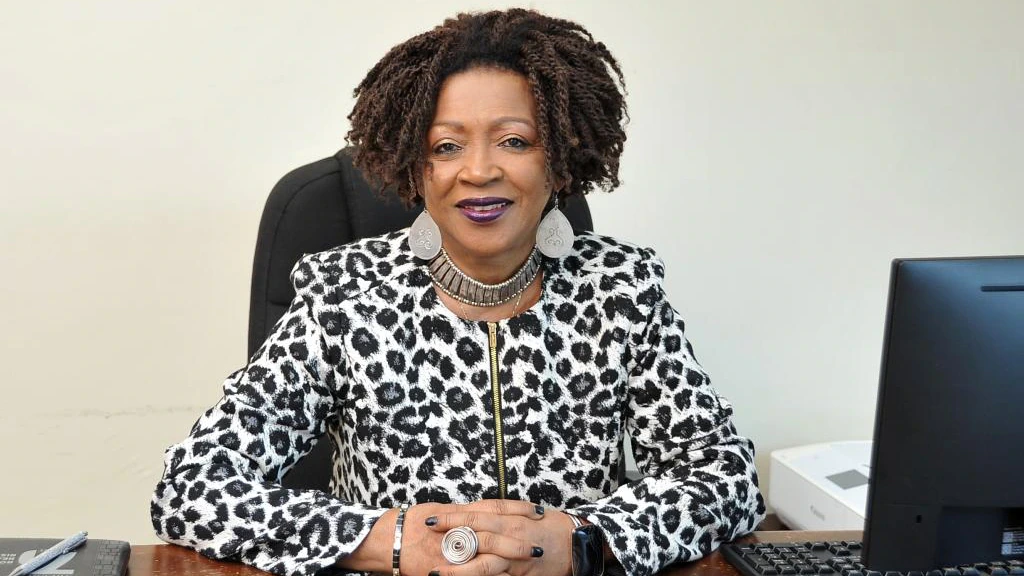
Verene Shepherd, an international authority on the histories and legacies of transatlantic slavery, will deliver a keynote address at the launch event in August, which will reflect the 2026 Unesco theme, Ending Slavery’s Legacy of Racism: A Global Imperative for Justice.
Shepherd said the young people who participate in the project “will be critical as participants in this global community of advocates for justice and in this long-distance relay race aimed at confronting the financial structures of chattel slavery, the role of descendant communities and the racism that often acts as a barrier to reparative justice”.
Advertisement
The young researchers, or “overwriters”, will spend six months exploring merchant networks across original archives in Liverpool, London and North Wales, and shaping public outputs together with descendant voices and community-led research at the centre.
The scheme recommends that applicants have a strong personal interest in the histories and legacies of transatlantic slavery, but they do not need any prior experience of research, museum work, or higher education.
The initiative particularly welcomes applications from young people with descendant connections to the histories the project explores; from Black, African, African-Caribbean and dual-heritage communities; and from those currently under-represented in heritage research.
The bursary programme is structured around nine workshops and three field trips between September 2026 and March 2027.
Two of the field trips are residential stays in North Wales that have been deliberately built into the programme to give participants an opportunity to explore connections in a different landscape, and space to decompress.
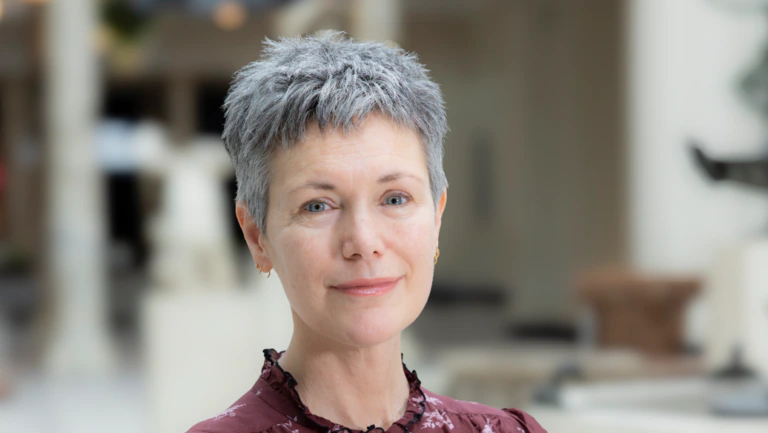
The overwriters will be supported throughout the programme by research associate Lucy Moynihan, along with the wider Connector team.
Advertisement
“Underwriting was one of the less visible but essential mechanisms that enabled transatlantic slavery to operate at such scale, said Moynihan. “By spreading financial risk, insurance made slaving voyages a more secure investment and helped sustain a system that generated enormous profits through human suffering.
“Through Overwriting – Underwriting, we will ask new questions of the archives to better understand the networks, individuals and institutions involved. Just as importantly, we are opening up that investigative process by working alongside young people and descendant communities, whose perspectives are vital in shaping how these histories are researched and understood.
“Launching the pilot on Slavery Remembrance Day, as part of International Slavery Museum’s programme, is especially meaningful. It places this research within a wider commitment to remembrance, public understanding and historical justice.”
The scheme aims to offer the cohort hands-on archival research skills, digital training, and experience in creating an output for the public. The overwriters will also become CSIS Connector Fellows, which carries access to the University of Liverpool's libraries and facilities.
Participants will receive a bursary for each session and field trip they take part in, with all travel, accommodation and food costs covered.
Applications to join the project close on 10 August 2026.