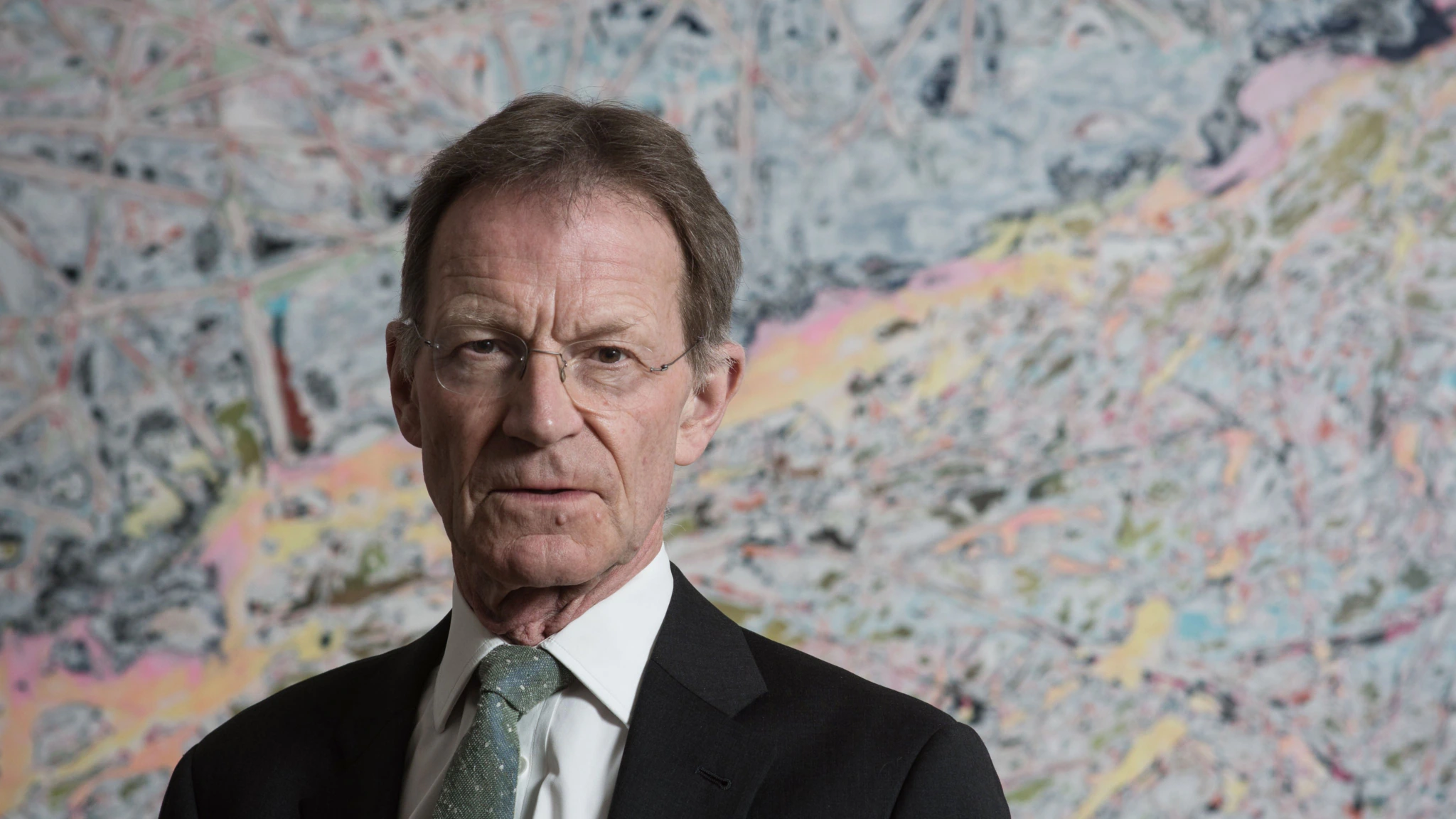
Outgoing chair of Arts Council England (ACE) Nicholas Serota has set out five priorities that he says must guide future investment in culture.
Serota, who leaves ACE on 31 July after nearly 10 years with the organisation, is being replaced as chair by Dawn Airey, who has more than 30 years of experience in the media and creative industries.
Serota outlined his vision for the arts at his last public appearance as chair of the arm’s-length body. He was speaking at event held to launch Made in England: Art and Culture in Changing Times, a collection of essays by artists, writers, academics and cultural leaders reflecting on the 80th anniversary of the arts council, which was founded in 1946.
The five priorities set out by Serota are:
- Consistent, long-term public investment.
- Funding targeted to deliver measurable social and economic returns.
- Multi-year support that gives organisations the confidence to plan and build excellence across all forms of art.
- Greater investment in individual artists and emerging talent, backed by specialist knowledge and mentorship.
- A renewed commitment to teaching for creativity across the full school curriculum – not only in arts subjects, but across the humanities, sciences and maths.
Serota said he was optimistic about the future, despite the many challenges that the arts sector faces.
Advertisement
“It's astonishing what has been achieved, given that we're still in a position where we invest a smaller proportion of GDP in the arts than any other European country, but one. We have such potential still in this country and the sector is more inclusive and more representative than it was, which is very, very positive.”
The other speakers at the ACE event who took part in the panel discussion with Serota and chaired by disability advocate Andrew Miller were: Pawlet Brookes the founder, CEO and artistic director of Serendipity Institute for Black Arts and Heritage; playright James Graham; and Jacqui O'Hanlon, director of learning and national partnerships at the Royal Shakespeare Company.
Contributors to the Made in England publication include Ann Dinsdale, principal curator at the Bronte Parsonage Museum; artist Lubaina Himid, who has written about the Arts Council Collection; consultant and journalist Amanda Parker, who explores equity in art and cultural funding; and Jo Verrent, the director of Unlimited, who looks at the history, impact and future of disabled-led art.
Serota leaves the arts council after nearly 50 years working in the sector. He was the director of Tate between 1988 and 2017, a period when the organisation opened Tate St Ives and Tate Modern, and revamped Tate Britain.
Serota joined the Arts Council of Great Britain’s Visual Arts Department as a regional art officer in 1970 and then worked as a curator at the Hayward Gallery. In 1973 he was appointed director of the Museum of Modern Art, Oxford where he worked for three years before he became the director of the Whitechapel Gallery in 1976.