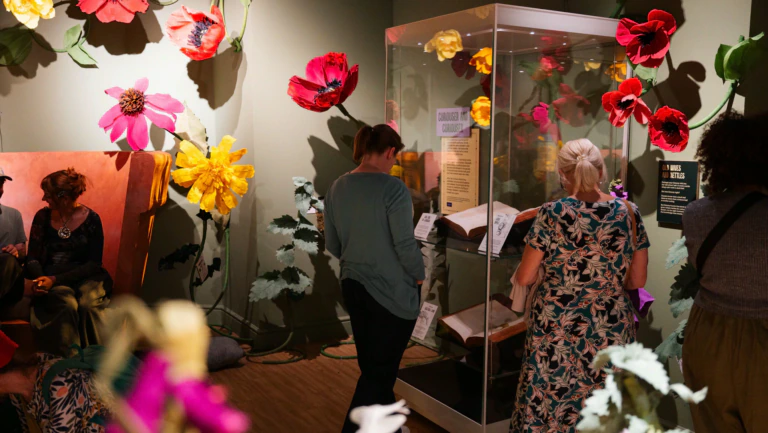
The Natural History Museum (NHM) in London will open an experimental gallery in September exploring people's relationship with the natural world through 50 objects – from a 400,000-year-old handaxe to a Victorian skeleton of a monk seal and a bryozoan-encrusted Star Wars toy from the 1980s.
The temporary display, Nature and Us, also includes a replica jaw of one of Britain's earliest known domesticated dogs, and runs from 16 September until March 2028. Visitors will be invited to help shape what stories will appear in a new permanent gallery set to open in the same space in 2029.
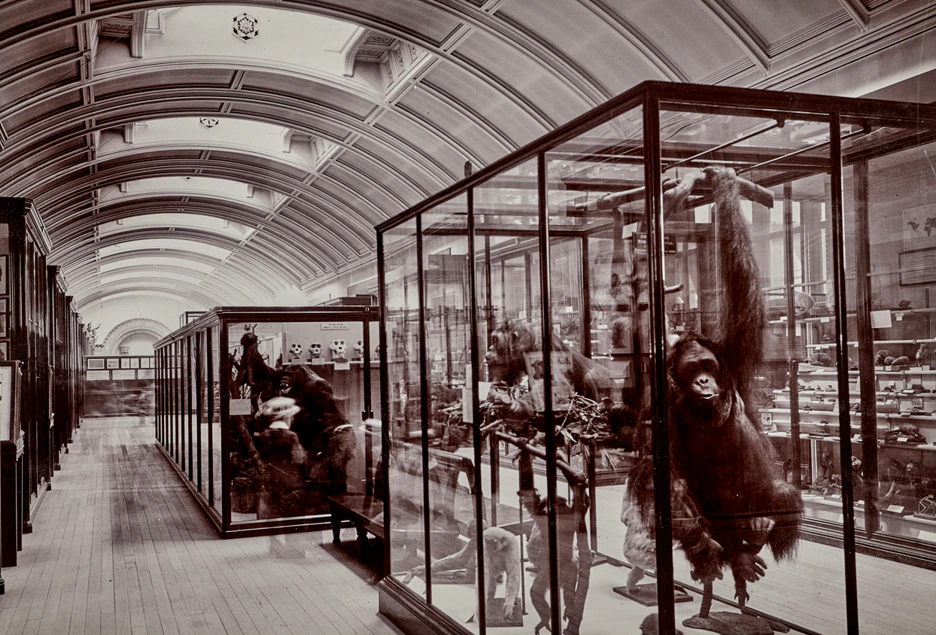
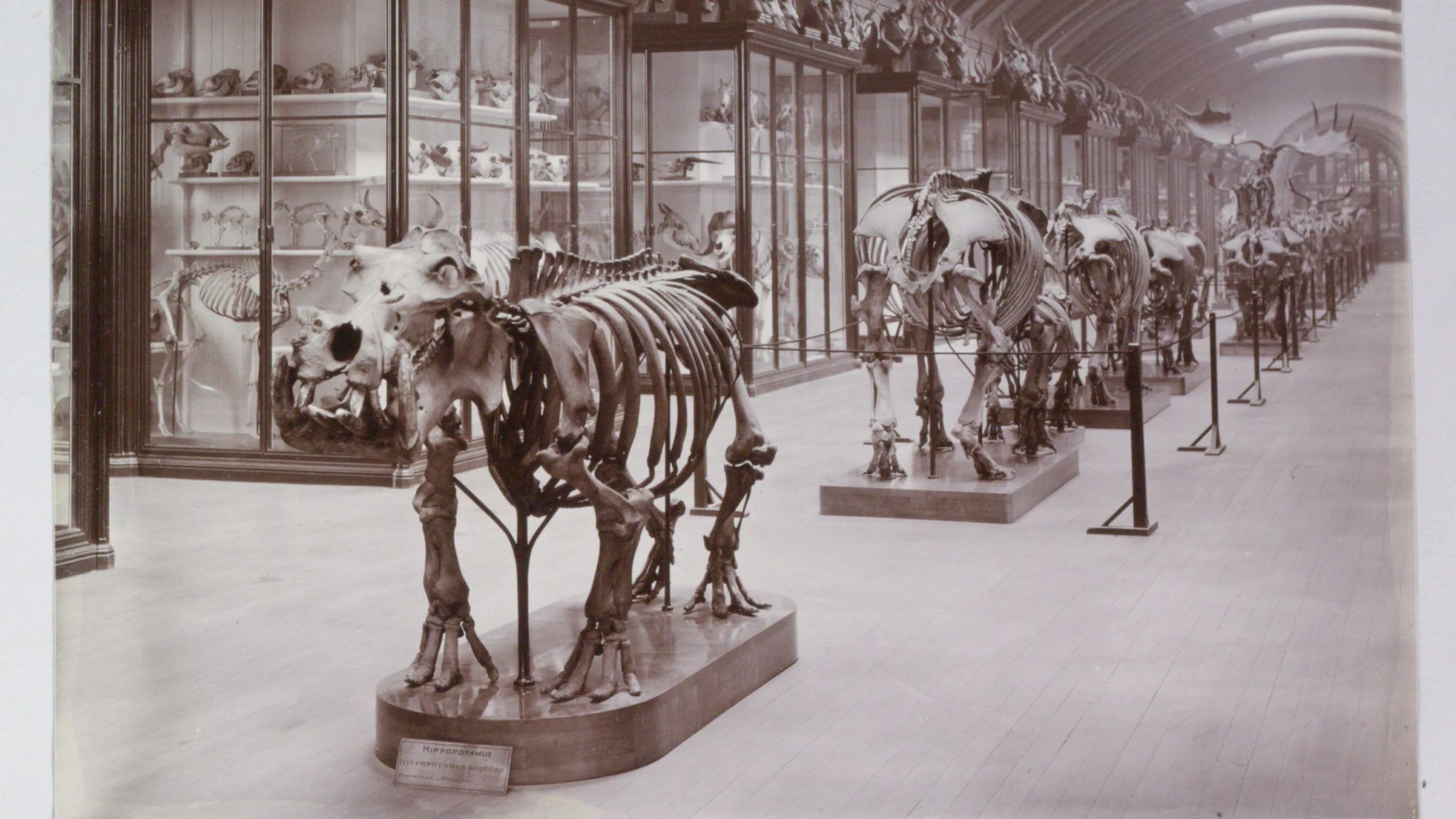
The display will be housed in a gallery that has been closed to the public since 1943. Located on the second floor of the Waterhouse building, the gallery previously served as both an osteology (skeleton) gallery and a mammals gallery. But after its original herbarium was damaged during the second world war, the NHM repurposed the space to house its botanical collections.
Doug Gurr, the museum’s director, said: “Reopening this remarkable gallery is an exciting moment for the museum. For the first time in over 80 years, visitors will be able to step into this beautiful historic space and explore our changing relationship with the natural world.”
The national museum aims to unveil a new or revitalised gallery every year in the lead up to its 150th anniversary in 2031. It opened the Fixing Our Broken Planet gallery in 2025, which to date has been visited by three million people. In 2027, the museum will launch a new gallery designed especially for young children, featuring hands-on interactives.
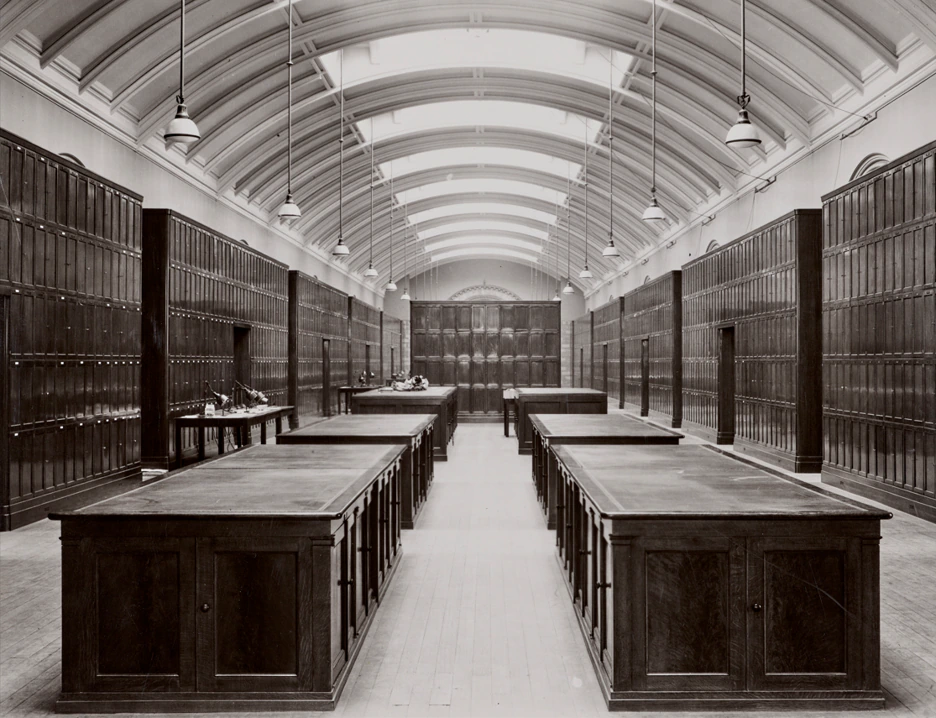
Nature and Us is supported by the Natural Environment Research Council, part of UK Research and Innovation.
“By opening access to these remarkable collections, the space will help audiences explore our evolving connection with nature, while building towards a permanent gallery in 2029,” said Claire Andrews, the museum's head of community engagement.
“We are confident that Nature and Us will captivate minds and motivate visitors to explore their own relationship with the natural world, and how science can drive meaningful action for our planet."