The Department for Culture, Media and Sport (DCMS) has started work on the development of a new strategic framework for museums in England.
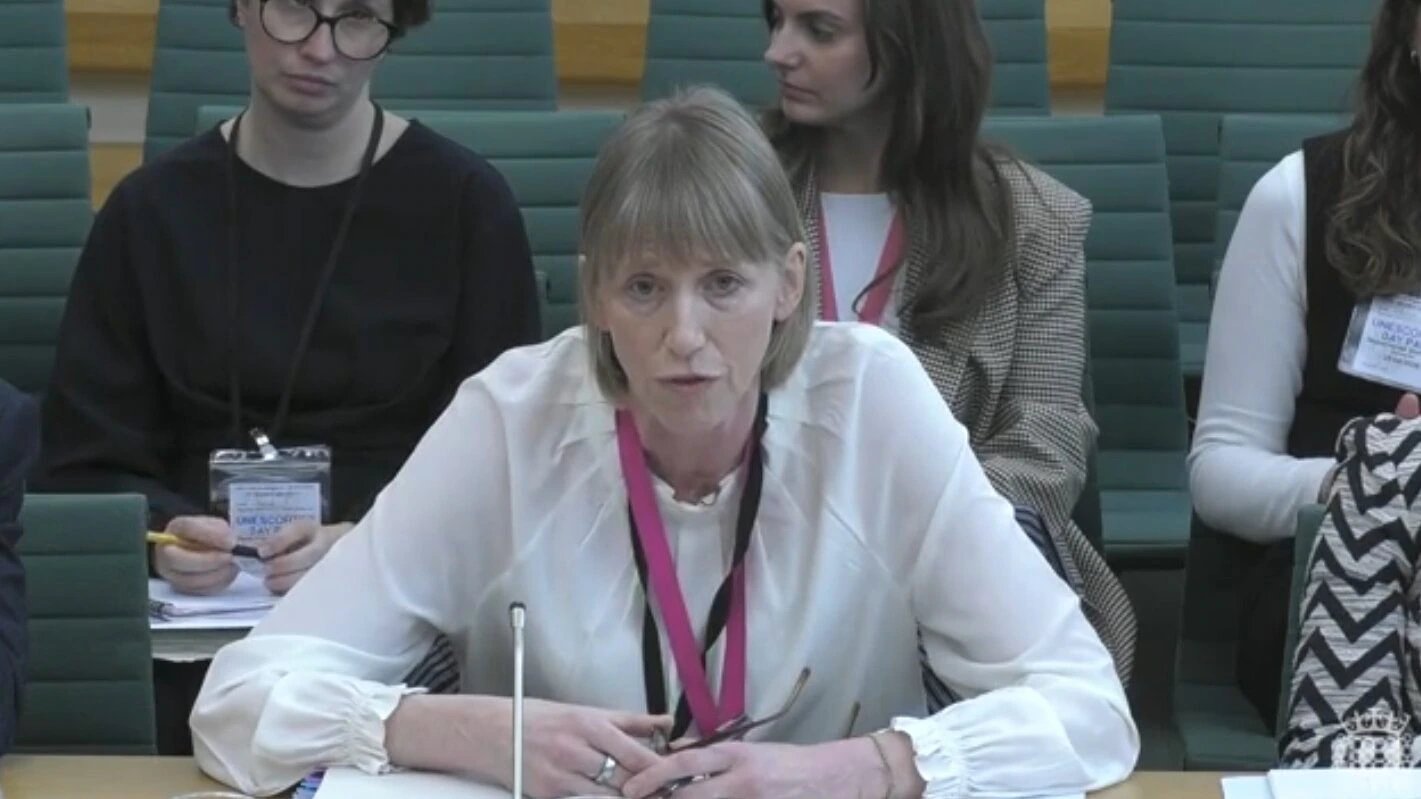
The news was confirmed by DCMS permanent secretary Susannah Storey at a hearing by the Public Accounts Committee into the financial vulnerability of England’s national museums and galleries. The hearing follows the publication of a report by the National Audit Office (NAO) last month on the same subject.
Asked about how DCMS supported the museum sector beyond the 15 sponsored national museums and galleries, Storey told the committee: “In Baroness Hodge’s review, one of the things she talked about was a new strategic framework for museums, and we've accepted that recommendation […]
“In 2017 there was some work done at a more strategic level and we think it's about the right time to look at that, so we do want to look at the whole piece. And I think […] the work is starting on that at the moment.”
The committee questioned Storey on how DCMS could ensure that museum funding from central government is spread more evenly across the country.
She told the committee that, while around 25% of museum funding from DCMS goes to its 15 directly sponsored national institutions, the remaining 75% goes to around 200 non-national museum sites across England via streams such as the Museum Estate & Development Fund, the new Museum Transformation Fund and grant-in-aid from Arts Council England, as well as the various museum tax reliefs.
Advertisement
“We really care about museums and galleries across the country,” said Storey. “We have the 15 we particularly focus on and they do things across the country, but there are even more museums and galleries doing things more widely across the country, and we support them as best we can within our limited budget.”
International charging
Storey also confirmed that the department is beginning to explore the proposal to charge international visitors at national institutions, another recommendation made by the Hodge review.
“We have said we will look at the possibility, that's something we want to do with the museums and galleries,” she told the committee.
“It's too early to say, because no decisions have been taken exactly [on] what it would or wouldn't mean, but from a purely financial perspective, it is something we want to explore, but it is one of those things that would have to be done very carefully.”
Storey said there were “no easy choices” when it came to the free admission policy, because it had resulted in some “really positive” stats on engagement with the nationals.
Advertisement
“This is something that we will have to be working on, and obviously, in due course, the government will update on its policy,” she added.
Storey confirmed that visitor figures at the nationals had not yet returned to pre-pandemic levels, saying this was a trend reported by museums across Europe. However she emphasised that two of the world’s top 10 most visited museums, the British Museum and the Natural History Museum, were in England.
Metrics
The committee asked Storey about Key Performance Indicators (KPIs) at national museums, after the Hodge review recommended that institutions should be able to propose their own performance metrics.
Storey admitted that some KPIs for national institutions were “a little bit out of date”, while other measures, such as operational metrics, were currently missing from KPIs.
“What we're doing now is some work on the key performance indicators, which will likely look at financial resilience metrics, but also some of those wider metrics around our priority objectives. And we hope to have those in place later on this year,” Storey told the committee.
Advertisement
Asked about how the department is keeping track of cuts in services at national institutions, Storey said that, while DCMS has a good understanding of each individual museum, the department needed to map financial risk in “more systematic” way across the national museum portfolio.
Storey told the committee that improving financial management capabilities on the staff and boards at national institutions was a growing priority in the sector.
“Something like eight out of the 15 institutions have changed finance director since 2022 and I think they are very focused on their financial capability,” said Storey. “Also, anecdotally, quite a number of the trustees and the chairs have got a financial services or financial background, so it's an area of focus.”
Security
The committee also asked about approaches cyber and physical security at national museums and galleries.
Andrew Patterson, the chief operating officer at DCMS, told the committee that the department is implementing the government’s cyber action plan, which aims to raise cyber resilience at public sector organisations by 2030.
He said that while each national museum must manage their own technical defences, there is a skills shortage in this area, and DCMS is looking to offer overarching support and resources that can be shared across the department’s arm’s-length bodies.
“The organisations work very well together, but how can we kind of build capability and talent and provide sort of skill development across the organisations in this way where there are skills shortages,” he said.
Patterson said DCMS is moving from offering support in a “more reactive way” to taking a more systematic and proactive approach to cyber security.
This could include a new forum for chief digital information officers, as well as a small pot of dedicated funding to support arm’s-length bodies on cyber security.
Theft
Asked about physical security at national museums, following several recent high-profile thefts in the UK and abroad, Polly Payne, the director general for society, media and culture at DCMS, confirmed that there had been four recorded incidents of theft or missing items among the nationals over the past four years.
These comprise the thefts uncovered at the British Museum in 2023, a cannon stolen from outside the Royal Armouries Museum – probably for its metal, two pages from an Elizabethan album of designs that have been reported as missing, and one incident of an employee stealing some money.
“We do take it very seriously,” said Payne. She said the sector had learnt lessons from the British Museum incident, particularly its investment in fully digitising its collections at speed.
“That is something that all our museums and galleries have taken note of,” said Payne, saying they are focused on “making sure that there is really proper record keeping” with the help of digital technology.
“Some of them have an extraordinary number of items, and that doesn't mean that they don't have an obligation to properly record all the items, but it does show the magnitude of the task […] The digital technology that's increasing access across the world also increases better record keeping.” said Payne.