A new director has been appointed to the Musée du Louvre almost four months after the jewellery heist that sent the institution into crisis.
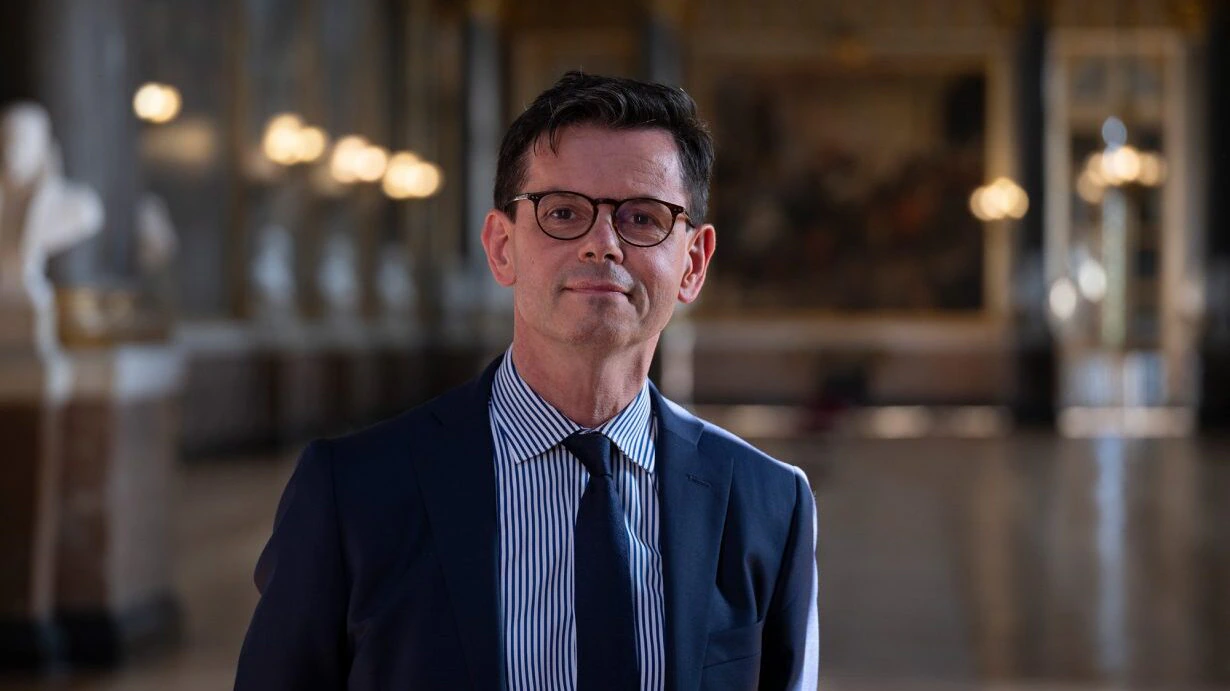
The French president Emmanuel Macron has named art historian Christophe Leribault as the new head of the institution following the resignation of its former director Laurence des Cars earlier this week.
Leribault, 62, has headed several of France’s best known cultural institutions. He joins the Louvre from the Château de Versailles, where he has been director since 2024, and previously led the Musée d’Orsay and the Musée de l’Orangerie, both in Paris. He was the deputy director of the Louvre’s graphic arts department from 2006 to 2012.
France’s ministry of culture said in a statement: “Leribault’s priority will be to strengthen the safety and security of the building, the collections, and people, to restore a climate of trust, and to carry forward, together with all the teams, the necessary transformations for the museum.”
The appointment comes after months of turmoil following the burglary at the institution on 19 October 2025, when two men stole Napoleonic-era jewellery and regalia valued at €88m (around £76m) in an audacious smash-and-grab raid.
Investigators believe the core heist was organised by a four-man team, all of whom have now been arrested and charged. None of the stolen items have been recovered thus far.
Advertisement
Des Cars, who had led the Louvre since 2021, submitted her resignation to the French president on Tuesday with immediate effect.
She said in a statement: “Throughout trials and successes, directing the Louvre has been the honor of my professional life. I devoted all my energy and determination to it. Not a minute of my time was missed when the Louvre called.”
Des Cars used her resignation statement to question the lack of support for the “fragile” institution.
“By a cruel irony, the theft of October 19, 2025 gave an unprecedented echo to a truth that I have continued to recall since taking office: the Louvre may well be the largest museum in the world, a national wonder which houses countless masterpieces, but it is no less fragile,” she said.
“Managing the Louvre and building its future requires uniting all desires and energies around common goals. This clarity is lacking in its trajectory at present: how can we transform the Louvre without providing it with the means to achieve its ambition?
“This situation is detrimental to the good management of change, while the Louvre cannot resolve itself to the status quo. Under these conditions, I consider that I am no longer able to fully exercise the responsibilities entrusted to me. This is the reason why I presented my resignation to the president of the republic. My departure will, I hope, prolong the momentum that I have strived to breathe into the Louvre for almost five years.”
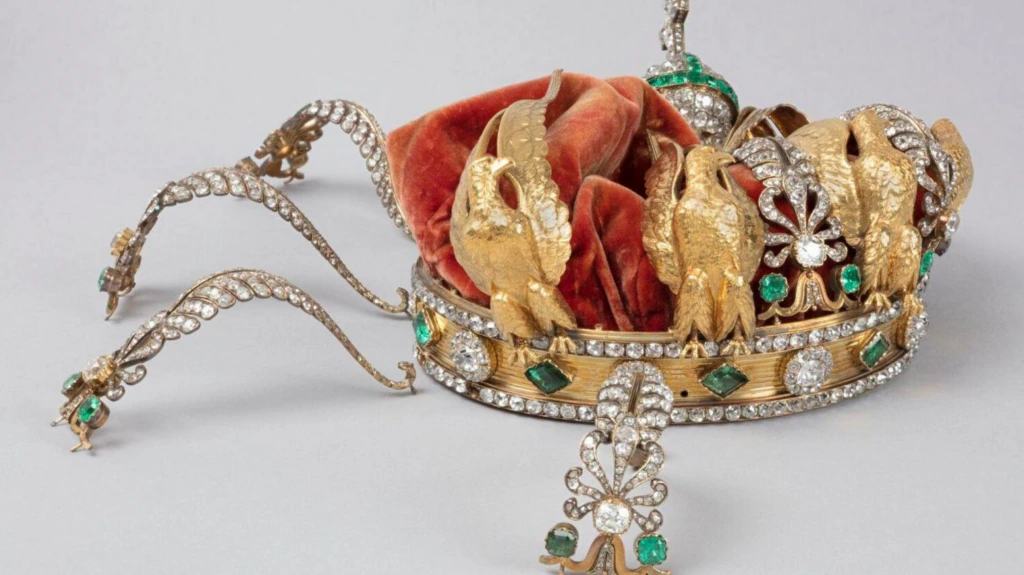
The Louvre released the first images last month of the damaged crown of Empress Eugenie, which was dropped by burglars during the raid. The museum is hopeful that the crown can be fully restored.
Advertisement
The crime exposed serious flaws and weaknesses in the Louvre’s security systems, including out-of-date infrastructure and a lack of CCTV.
The museum has also been forced to close on a number of occasions due to building maintenance issues and staff walkouts over pay, overcrowding and working conditions.
Earlier this month, it announced that it was indefinitely postponing a competition to find an architect for its €660m Louvre Grande Colonnade expansion, which is part of the broader €1.15bn Louvre Nouvelle Renaissance redevelopment project.
Staff at the museum have criticised the redevelopment plans as unrealistic and questioned how the project will be funded.