The Musée du Louvre in Paris has been forced to close a public gallery and staff offices due to structural weaknesses.
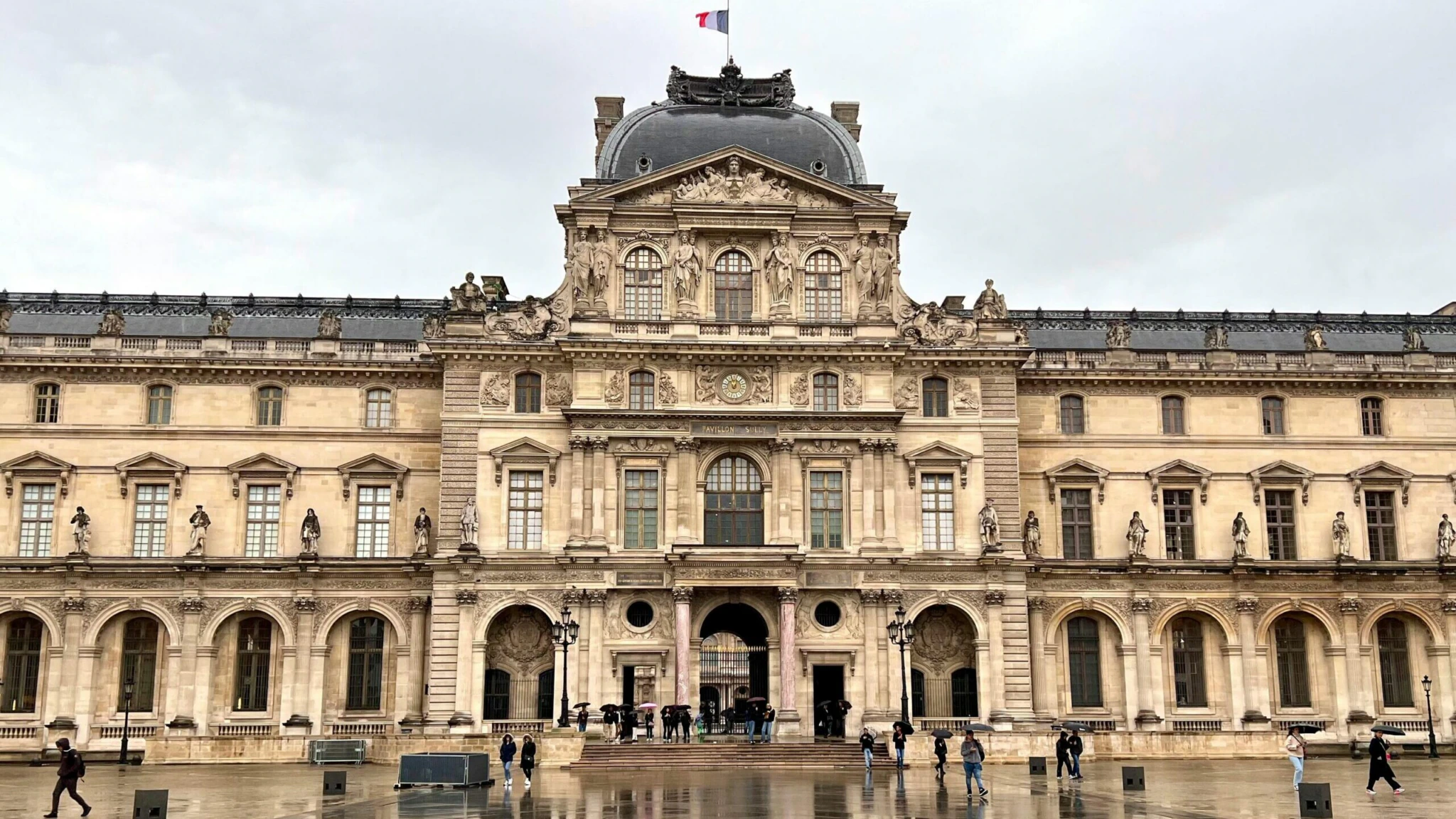
The museum announced this week that it was shutting access to the second floor offices in the eastern Sully quadrangle because “recent and unforeseen developments” had led to structural weaknesses in the floor.
The Louvre said that special buildings monitoring, which has been carried out on the Sully quadrangle for several years, had revealed “particular fragility” in some of the beams supporting the second floor of the south wing. Sixty-five staff have been told to vacate their desks as a result of the closure.
The museum is also closing the Campana Gallery, which displays Greek ceramics on the first floor of the wing, as a precautionary measure.
Last chance to book for our event on facilities management
Online, Wednesday 19 November
Don’t miss this week’s one-day conference, Building Foundations: Transforming Facilities Management.
In a statement, the museum said the €800m Louvre – New Renaissance project announced by president Emmanuel Macon in January this year would prioritise the “restoration, technical modernisation and revitalisation” of the Sully quadrangle.
Advertisement
The announcement has left the museum facing fresh scrutiny over the state of its infrastructure four weeks after the heist that saw eight items of 19th-century French royal and imperial jewellery stolen in an audacious daylight raid.
A highly critical report published by France’s Court of Accounts last week outlined concerns about the Louvre’s spending priorities, and security and maintenance infrastructure.
The Court of Accounts, an independent body responsible for verifying the proper use of public funds, found that the museum’s security systems, including video surveillance, fire safety, electronic detection and access control, were outdated and insufficient, and that the museum had made “no substantial progress” in implementing a security masterplan first introduced eight years ago.
The masterplan came in response to a 2017 audit that showed critical vulnerabilities in the museum's security systems, including ageing and inadequate technical protection systems, insufficient protection of artworks during renovations, and poor preparation for crisis management.
The masterplan has been significantly delayed due to insufficient funding and reliance on state contributions, according to the Court of Accounts, and is not expected to be fully implemented until 2032.
The Court of Accounts said the museum had often treated security investments as a secondary concern compared to more visible projects like renovations and acquisitions.
Advertisement
The report said: “Between 2018 and 2024… the museum allocated only €26.7m for the implementation of maintenance and compliance works and €59.5m for the restoration of the palace as a historical monument, compared to €105.4m from its own resources for the acquisition of artworks and €63.5m for the renovation of museum spaces.”
The report recommended that the museum should not wait for state funding but use its own resources, including revenues from the Louvre Abu Dhabi license, to finance maintenance and compliance projects.
The Court of Accounts also found that the museum was at “critical” risk of cybersecurity attacks and fraud, and lacked “robust cybersecurity measures”.
Media scrutiny following the heist has unearthed a 2014 audit showing that the Louvre once used its own name as a password to access its video surveillance server.
The museum hired a dedicated member of staff to oversee cybersecurity last year.
The Court of Accounts said the museum should hire a dedicated cybersecurity team, increase monitoring and create a comprehensive recovery plan. It also called for a stronger governance structure to oversee security projects, including a committee to monitor risks and ensure timely implementation.
Four people have so far been charged in connection with the raid on Sunday 19 October. The stolen jewels have not been recovered.