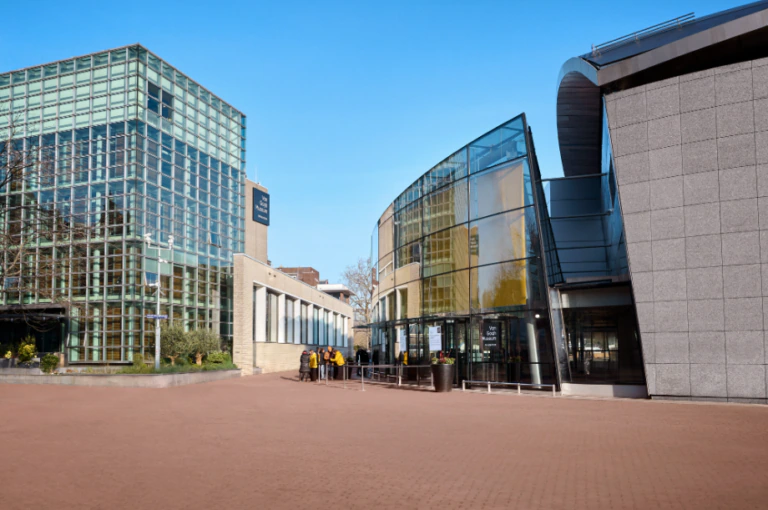
Construction has begun on the Natural History Museum’s (NHM) new low-carbon collections, research and digitisation centre outside of Reading.
The 25,000m2 facility, which is being developed in partnership with the University of Reading at the Thames Valley Science Park in Shinfield, will be constructed with the lowest possible environmental impact, using responsibly sourced materials and services and with a net-zero carbon target for operation.
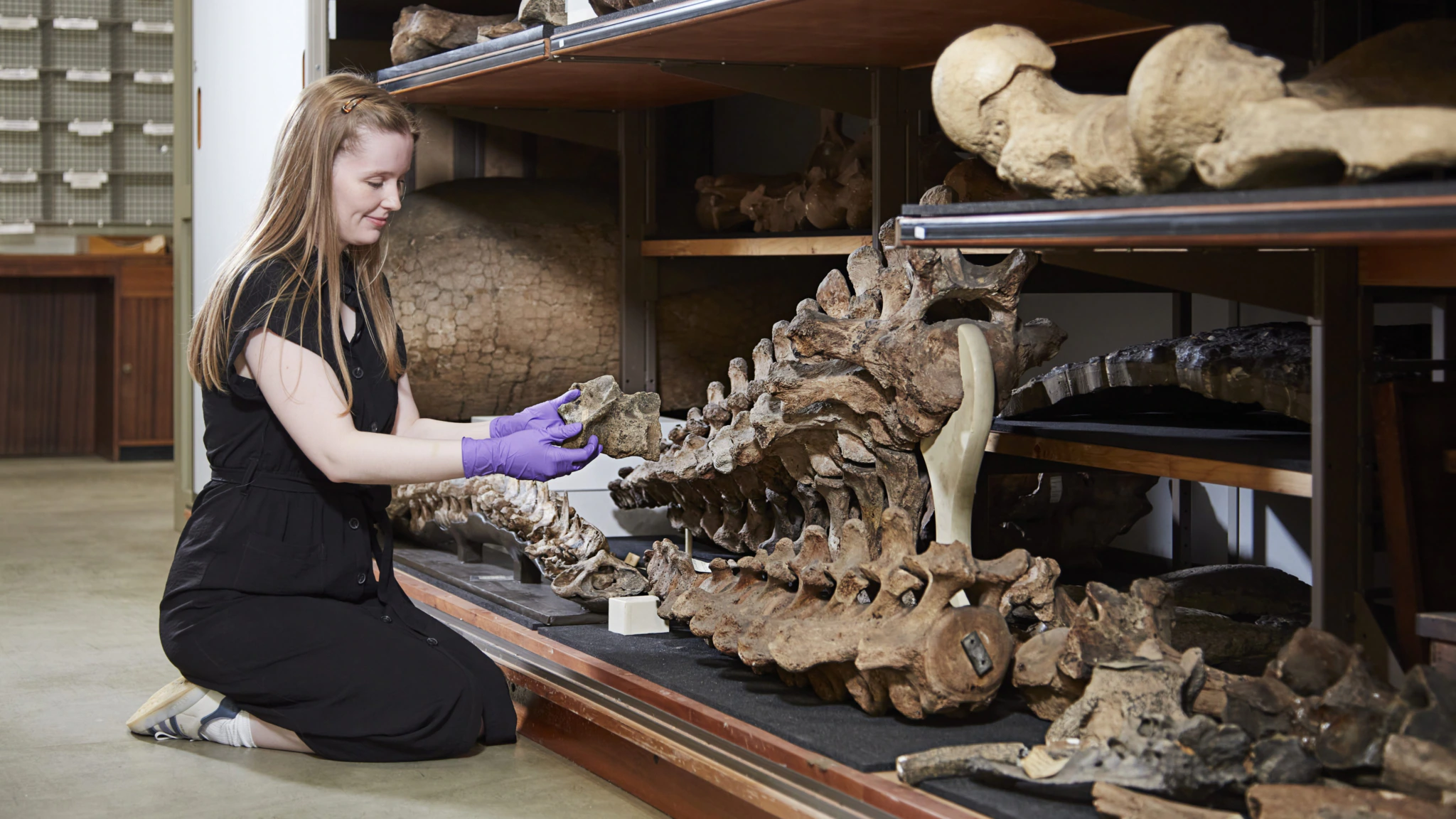
About 27 million objects – approximately a third of the museum’s 80 million objects – will be moved to Shinfield from London, making the relocation its largest collections move since the 1880s. It is also believed to be one of the largest global move of natural history specimens.
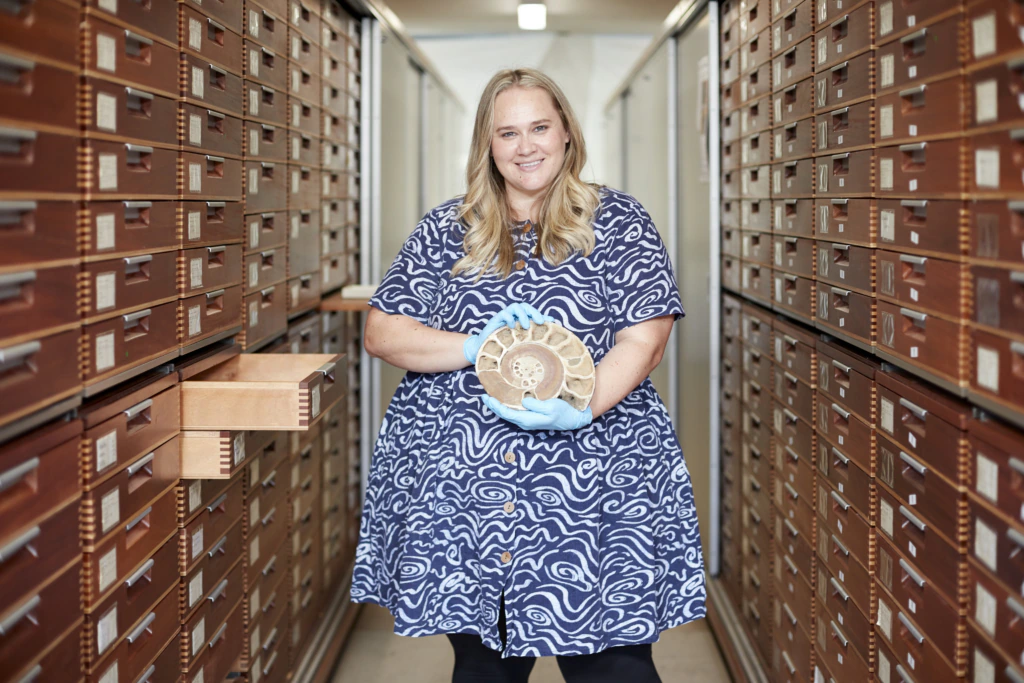
As well as being used to store the NHM’s collections of mammals, non-insect invertebrates (such as corals, crustaceans, molluscs, and worms), fossilised mammals and invertebrates, molecular collections, and micropalaeontology, the centre will act as a major scientific research hub, providing digital, analytical and genomic technologies and facilities for the scientific community.

The building will feature bespoke storage; an imaging and analysis centre; molecular biology laboratories; cryo-facilities for tissue storage; conservation labs; and specimen preparation labs including quarantine facilities. The facility will also hold more than 5,500 metres of library and archive material.
Advertisement
“This ambitious project will transform the research capabilities of not only our 400-strong scientific team but also researchers around the world – accelerating solutions-led research into some of the greatest challenges facing the planet,” said NHM director Doug Gurr.
“The potential for this centre is boundless, from helping protect and restore critical habitats to finding the critical minerals to support the energy transition – it could even prove pivotal in preventing the next global pandemic.”
The relocation of the collections will enable the NHM to reopen two galleries at its South Kensington site. They form part of the NHM150 fundraising campaign to transform four existing galleries.
Construction is expected to finish in 2027 with the building fully operational by 2031.
The British Museum has also partnered with the University of Reading to develop its new storage and research facility, also in Shinfield.
The British Museum Archaeological Research Collection (BM_ARC) will house ancient sculptures, mosaics, archaeological assemblages and historic cast collections, many of which were previously stored at Blythe House.