The number of treasure and archaeological finds reported to Scotland’s Treasure Trove Unit (TTU) fell slightly in 2024-25 but remains on an upward trajectory post-Covid.
A total of 5,844 finds were reported to the TTU between 2024-25, alongside 463 remotely recorded finds and 888 that were processed by a freelance specialist.
This is 3% lower than the 7,434 finds reported between 2023-24, but higher than the Covid lows of 2,217 and 1,245 in 2019-20 and 2020-21 respectively.
Published last week, the annual report of the TTU and the Scottish Archaeological Finds Allocation Panel (Safap) said it had been a “demanding but very positive year” for their work.
The decrease in the number of finds is ascribed to the pressure on TTU staff over the period, reducing their ability to conduct outreach events.
The report also suggested the previous year had seen a larger number of finds reported due to people not being able to report during the pandemic.
Advertisement
Safap said good progress had been made to address the Covid backlog of finds and many had been allocated to museums across Scotland.
A steering group has also been set up to help progress the recommendations of last year's Treasure Trove Review – the first comprehensive review of the system for reporting treasure and archaeological finds in Scotland for more than 20 years.
Among its recommendations, the 2024 review proposed a network of partner museums to help the Treasure Trove system keep pace with archaeological finds and adapt to the museum funding crisis.
Jane Ryder, the chair of Safap, said the new steering group would “encourage multi agency action and continued collaboration”.
“As the steering group representative for Safap, I look forward to ensuring that this valuable review is implemented as swiftly as possible,” she said.
One of the biggest finds of the year was the Peebles Hoard, a late Bronze Age hoard of bronze leather and wooden materials, found in the Scottish Borders.
Advertisement
The hoard was valued at £80,000 and acquired by National Museums Scotland.
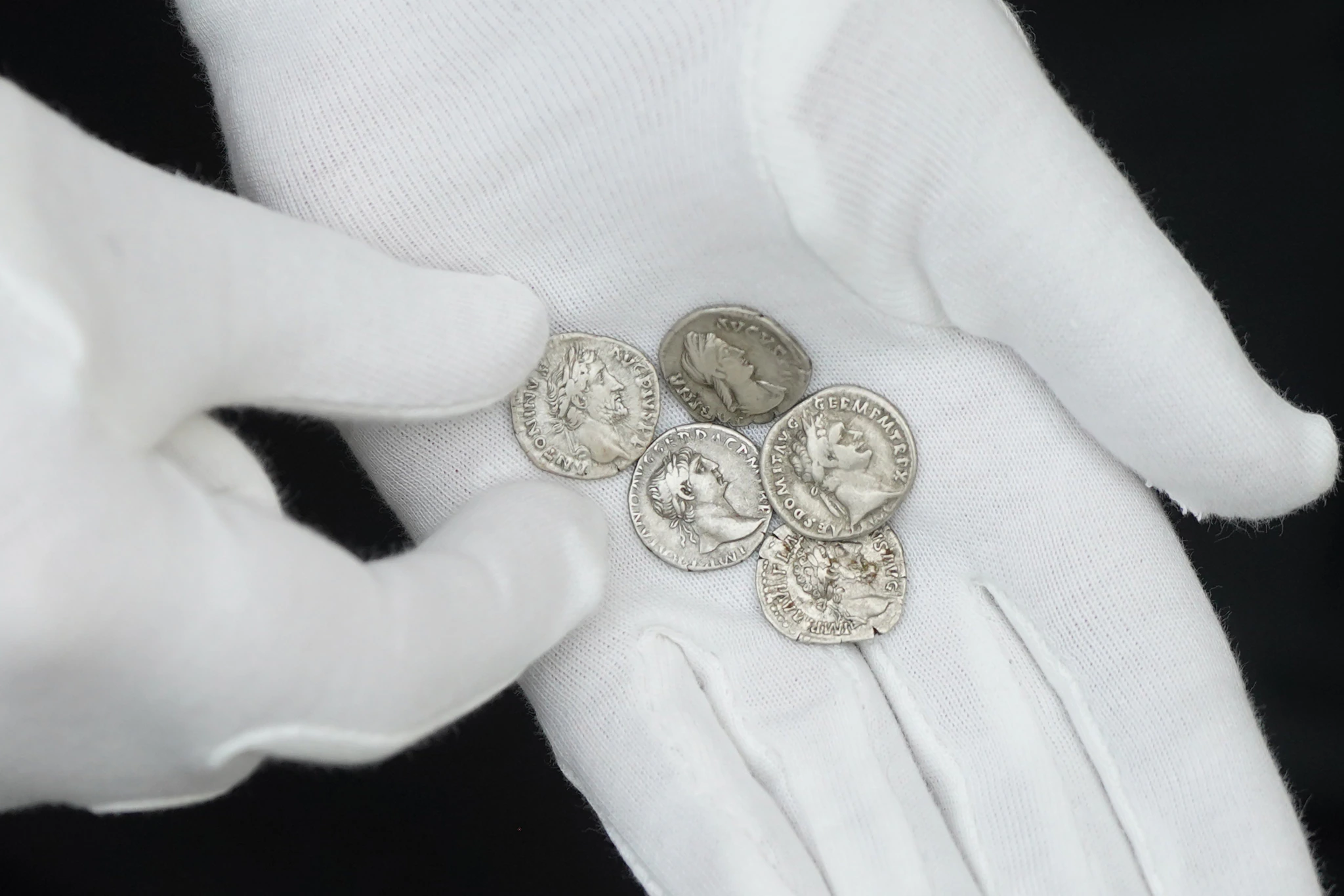
Other remarkable finds included a bronze age bracelet, a copper alloy seal matrix and a roman coin hoard, which were displayed at the recent Treasure Trove Annual Event.
The total sum paid to members of the public was £138,651, compared to £84,553 the previous year, an increase mainly due to the high value of the Peebles Hoard.
Ryder said: “The breadth and location of finds – from prehistoric tools to Victorian jewellery – demonstrates the variety and richness of our shared heritage.”
“All of this is reflected in allocations to museums across the country, from Shetland and the Western Isles to Dumfries and Galloway and the Borders, making these treasures accessible to all.”
The TTU hosted outreach events across Scotland, meeting more than 140 finders and taking in 2,661 finds.
Advertisement
John Logue, the King’s and Lord Treasurer’s Remembrancer, said: “The Treasure Trove system ensures that objects of cultural significance from Scotland’s past are protected for public benefit and preserved in museums across the country.”
“This work would not be possible without the dedication and expertise of the Treasure Trove Unit, whose efforts continue to safeguard and celebrate the story of Scotland’s past.
“This event and report reflect our commitment to transparency, collaboration, and the continued stewardship of Scotland’s archaeological heritage.”
The annual report set out objectives for the next year, including improving TTU connections to the Scottish museum network, resolving all pre-2022 cases and reducing the turnaround time of the finding process to within 12-18 months from reporting to conclusion.