Scotland’s Treasure Trove system is not keeping pace with the growing backlog of archaeological finds and has been hit by the museum funding crisis, a review has found.
The system for reporting treasure and archaeological finds in Scotland is undergoing its first comprehensive review for more than 20 years. Commissioned by the King’s and Lord Treasurer’s Remembrancer, who is responsible for overseeing the system, the review’s findings have been published following a consultation earlier this year.
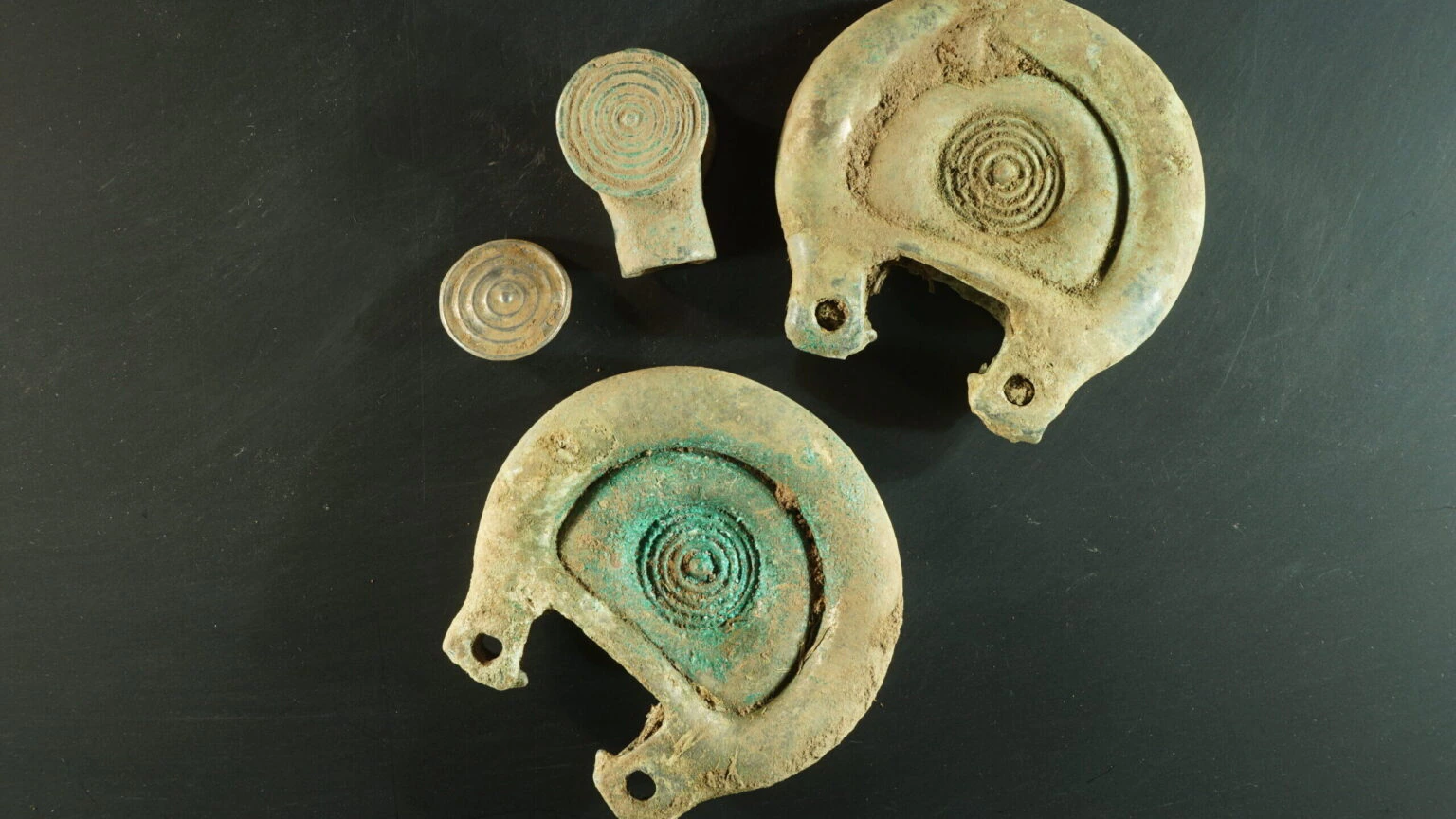
Unlike other parts of the UK, finders in Scotland have a duty to report all archaeological finds; the range of finds that can be claimed by the Crown may include gold and silver objects, coin hoards, other metal objects, worked stone, pottery, glass, textiles and individual coins.
According to the review’s report, the Treasure Trove system “has not kept pace with change in its operating environment”, with a turnaround of “well over 12 months” for processing finds.
A further challenge is the funding environment for museums, which are key to ensuring that the public benefits from the scheme.
The current system “assumes that the museums who supply the expertise, funds and space to build and refine their archaeology collections can perform their function by collecting Scotland’s archaeological heritage and sharing it with the public”, the report said, but “feedback indicates that the funding environment for many of Scotland’s museums means the maintenance of this function at present levels should not be taken for granted”.
Advertisement
“Shrinking funds for acquisitions, multiple pressures on staff time and diminishing archaeological expertise across the sector are all concerns among museums with potential long-term consequences for the preservation and sharing of Scotland’s heritage,” the report said.
The review endorsed “the core principles and characteristics” of the current system but made several recommendations on how it could be improved.
The report said that, in spite of the challenges of processing large numbers of finds, it did not recommend a “purely resource-led redesign” of the scheme, and said any attempt to reduce the number of finds going into the system would have a “detrimental impact” on Scotland’s heritage.
It said its recommendations instead sought “better leading, planning, resourcing and operation of the system based on its existing principles” and “meaningful change in how the system is understood, experienced and appreciated”.
The proposed reform of the system will focus on widening engagement and increasing public benefit.
Among its proposals, the report recommends that leadership responsibilities should be reformed and clarified, and calls for a steering group of stakeholders to be created to guide and support the system.
Advertisement
The report also calls on the Scottish Government to maintain its commitment to the system through grant-in-aid funding, and for investment in people and technology to improve efficiency and public benefit delivery.
It proposes setting up a network of Treasure Trove Partner Museums to extend the system's reach.
John Logue, the King’s and Lord Treasurer’s Remembrancer, thanked heritage professionals, metal detectorists and the public for their engagement with the study.
He said: “The review offers us a detailed manifesto for the future of treasure trove in Scotland which could not have been drawn up without hearing the views of so many participants.
“I greatly appreciate everyone’s willingness to put forward their views and ideas, all of which have been taken into account.
“We look forward to considering the recommendations of the review in detail and drawing up a plan for treasure trove in the years ahead.”
Advertisement
Culture secretary Angus Robertson said: “We are grateful for the work undertaken by the King’s and Lord Treasurer’s Remembrancer and note the publication of the Treasure Trove Review 2024. The recommendations set out in the review will now be carefully studied.
“Scotland’s heritage is rich and varied and it is essential that the process of archaeological finds runs smoothly for all concerned, which is why it is important that we have a treasure trove system which is fit for purpose.”
The report recommends:
- That leadership, policy and operational responsibilities for the treasure trove system are reformed and clarified.
- Investment in people and technology at a level that allows the treasure trove system to deliver public benefit in its present and future operating environment.
- That the culture of the treasure trove system encourages wider engagement and focuses on the public benefit it delivers.
- Extending the reach of the treasure trove system throughout Scotland with a new network of Treasure Trove partner museums.
- Measures that will clarify and support the reporting, triage and claiming of chance finds.
- Measures that will support efficiency and transparency in assessing and allocating chance finds.
- That the treasure trove system is proactively involved in the development of sector strategies for archaeological assemblages.
- That the system’s response to major and complex finds is clarified and funded.
- That the status of “legacy collections” predating the full development of the treasure trove system is clarified and managed.
- Measures to strengthen the legal framework of the treasure trove system.
- That the Treasure Trove Code of Practice is revised, incorporating and developing the recommendations of the review
- That the impact of public investment in the treasure trove system is further evaluated after a period of reform.