The River & Rowing Museum in Henley-on-Thames has confirmed that it is closing to the public in September.
A statement from the River & Rowing Museum Foundation said the museum would close its doors for the last time on 21 September. Almost all of its staff team will leave shortly after that date, but existing bookings for school visits and event space in September will be honoured.
It comes after the museum announced earlier this year that it was ceasing its current operation due to financial pressures, and would explore future options including closure. A “risky” strategy developed last year to secure its future was abandoned due to the recent departure of the museum’s former director, Steve O’Connor.
The foundation said the few remaining team members would focus on “finding new homes for the museum’s extensive collections, following heritage sector best practice”.
The museum is in the process of reaching out to all lenders of collections items. Its four core collections – Henley, River, Rowing and John Piper – amount to more than 35,000 physical items. The largest collection is the international rowing collection, which has over 13,000 items, while the Henley collection consists of around 6,000 objects.
The museum's interim director confirmed to the BBC that any decisions related to the collections would follow Museums Association guidelines and ensure objects are “preserved in the public benefit”.
Advertisement
The foundation said trustees had taken the “extremely difficult decision to close the museum whilst there are still sufficient funds to undertake this in an orderly manner”.
“The museum’s struggle to achieve financial sustainability is well known,” said the foundation. “With an endowment depleted by essential building works and significant increases in the cost of operation, recent net losses have averaged £1m a year.”
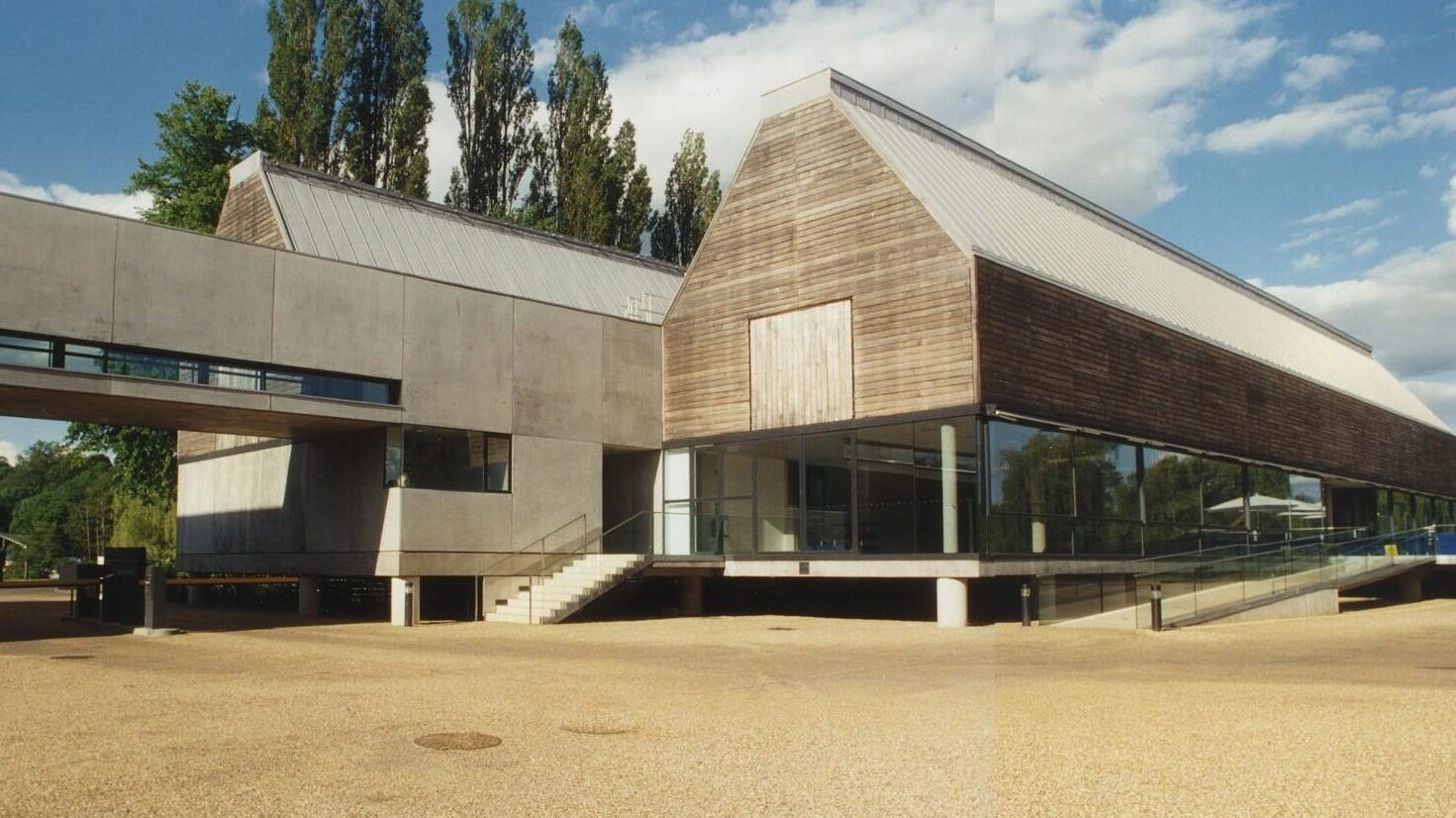
The foundation said the decision to close was primarily down to the escalating costs of running the museum building, which opened in 1998 and was the first major project in the UK designed by the architect David Chipperfield.
The oak-clad building has become a well-known landmark along the Thames and was named the Royal Fine Art Commission Building of the Year and UK National Heritage Museum of the Year in 1999.
“A key factor behind the failure of the enterprise has been the scale of the building and subsequent cost to maintain it, which is way beyond that of a specialist museum in a small market town,” said the foundation.
The museum’s total floor area, excluding the car park, amounts to almost an acre. The foundation has suggested that a scaled down version of the museum could reopen if a new operator can be found to support and manage the building.
Advertisement
“Going forward, a new use for the building needs to be found urgently,” it said. “A new museum could occupy part of it, but such a museum cannot support the building or manage it going forward. If this is approached pragmatically, the foundation could have the funds to help create a new, but much smaller, Henley museum.”
The foundation is also exploring whether its river education programme can continue to be delivered via outreach in schools and other venues. The museum engages with around 4,000 schoolchildren annually.
The foundation’s chair of trustees, David Worthington, said: “The quality of the original concept cannot be underestimated, however, ultimately the venture was just too ambitious – six galleries, multiple public spaces, two classrooms, a 5,000-square foot storage facility and a 35,000+ object collection. It was just too much.”
Worthington thanked the museum’s leadership, employees, volunteers and supporters for their “thousands of hours of commitment, heavy-lifting and simple belief”.
“Everyone has tried to make it work – and on one level we have,” he said. “It has been a great museum, lauded when opened, enjoyed by well over two million people, remembered by second and third generations and over 100,000 schoolchildren. But in the end, however exciting it might have been, whatever changes might have been made, the financial challenge was simply too great.”
The museum’s final weekend on 20 and 21 September will coincide with the Heritage Open Days festival. The foundation has invited visitors to “come and celebrate the end of a long and happy era with us”, with free admission and more on offer as part of the festival.