The River & Rowing Museum is to cease its current operation due to financial pressures.
The museum’s board of trustees announced today that the venue’s current operational model is “not viable in the long-term”.
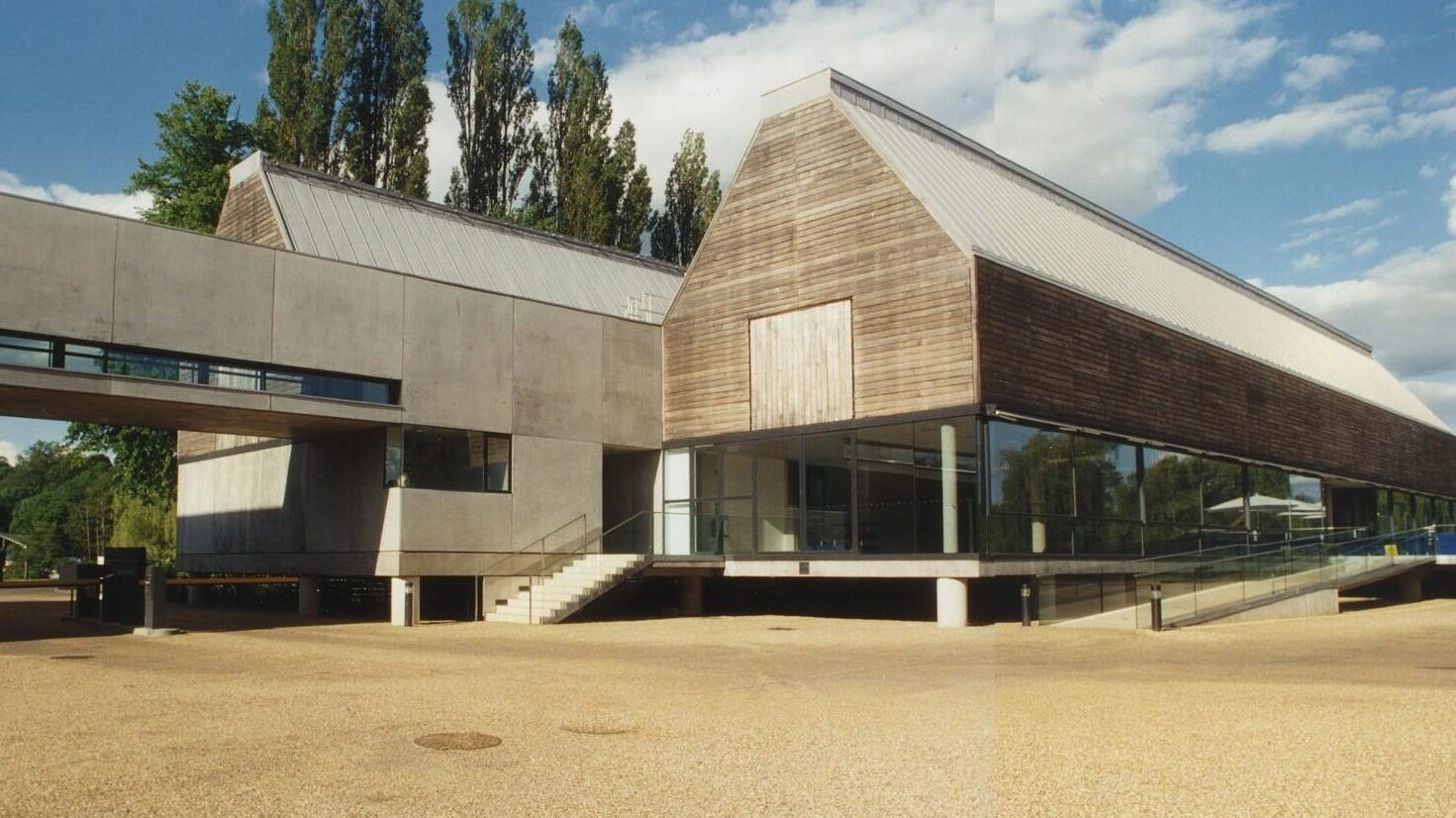
The institution has made at a loss for some time, said the board, primarily due to the high costs of maintaining and preserving its purpose-built home on the riverbank in Henley-on-Thames.
The museum had put in place a “risky and expensive-to-execute” strategy to break even; however, the board decided this week that moving ahead with this plan was “a risk too far” given the impending departure of the museum’s director, Steve O’Connor.
O’Connor, who has been in the role since July 2023, announced last week that he was stepping down.
Museums Journal understands that the museum has no immediate plans to close, but that “closure is undoubtedly an option” if nothing changes in how it operates.
Advertisement
River & Rowing Museum Foundation’s chair of trustees, David Worthington, said the building is “simply too large and the galleries too ambitious in scale” for its location and subject matter.
In a statement, the board said: “Ever since opening its doors in 1998, the museum has attempted to balance its revenue generating capability with the expenditure necessary to maintain a substantial landmark building and a collection of 30,000 objects spread across five galleries and storage facilities.”
The board said the museum’s financial imbalance had been “sharpened by the pandemic”, although emergency funding from Arts Council England had relieved some of that pressure.
The statement said: “Recently, good progress has been made on increasing visitor numbers and a stable income stream has been established from leasing office spaces to local businesses. However, the stark reality is that even these improvements don’t match expenditure and despite recent investment in the building and the commercial model, sustainability remains out of reach.”
Trustees said they had looked at further options, including converting more space into offices, but described such initiatives as “expensive, commercially risky and ultimately insufficient on their own”.
The statement added: “Sustainability remains reliant on a level of visitors and commercial income well in excess of anything managed since opening; a challenge made much harder by the impending departure of museum director, Steve O’Connor.
Advertisement
“Therefore, the responsible course of action for the foundation is to now cease the current operation in a considered and managed way, which preserves the public benefits in the assets we hold – namely our building, collection and charitable funds.
“Accordingly, the trustees have made the difficult decision to explore new options, whilst the foundation still has the financial capability to make considered choices.”
The museum still has half of its reserves remaining, Museums Journal understands, and has chosen to go public about the situation “in order to see who can help, what options are open to us that we haven’t thought of and what partners may be brought in to assist”.
Staff and tenants have been informed of the museum’s change of direction, said the board. The charity is committed to working closely with Henley Town Council, the local community and key stakeholders to find sustainable ways forward.
In a joint message to stakeholders, O’Connor and Worthington said the board would now engage with partners, funders, and the wider sector to explore alternative approaches and “secure a meaningful and sustainable future for the museum’s collection, building, and legacy”.
The board said: “We remain of the belief that there is an important story to be told about Henley, the river and its environment and the connection to our health and wellbeing, including through rowing.
Advertisement
“Our immediate and overwhelming priority is to support our staff and establish an ethical approach to securing a future for the collections and building for which we are responsible. We understand that this will take both time and collaboration.”
Worthington added: “This is a very sad day. A remarkable project was dreamt up in the mid-nineties and launched to international and national acclaim. However, it was always too costly for its location and subject matter and despite the efforts of the museum’s trustees and workforce from 1998 to the present day, finding a sustainable solution has proved elusive.
“The unavoidable reality is that the building is simply too large and the galleries too ambitious in scale. To secure the future of the foundation we will consider all options, from all quarters, and given that we have taken this step now, not when it’s too late, we have the potential to see our valuable assets re-emerge on a scale that is affordable and sustainable.
“Change is now inevitable and along with Henley Town Council, the foundation will use this opportunity to bring fresh thinking to the future of the building and its collection, ensuring that the important work it has done for the past 27 years continues.”
Earlier this week, the museum reported a record-breaking February half-term, with people queuing outside the door and many events and activities sold out.
O’Connor is leaving the museum to become the general manager of Leander Club, the Henley rowing club that has trained Olympic athletes including Steve Redgrave and Matthew Pinsent.
In a statement last week, he said it had been a “privilege to lead the museum”.
Worthington said: “Steve’s contribution has made a huge difference to the museum and we are very sad to see him leave but wish him well in his role at Leander. His tenure has seen so many positive changes in a very short space of time, he will be difficult to replace.”
The oak-clad museum building, inspired by local boathouses, was the first major project in the UK by architect David Chipperfield and has become a well-known landmark along the River Thames. In 1999, it was named the Royal Fine Art Commission Building of the Year and UK National Heritage Museum of the Year.
Chipperfield has since led on major international museum projects such as the redevelopments of the Neues Museum in Berlin, the Germanisches Nationalmuseum in Nuremberg and the National Archaeological Museum in Athens.
Elevated on concrete stilts due to the flood risk, the River & Rowing Museum suffered minor damage during extensive flooding from Storm Henk in January 2024.
Update
27.02.2025
Updated to include additional information from the River & Rowing Museum and to clarify that the museum has no immediate plans to close but is considering it as an option.