The research centre where scientists re-excavated Silbury Hill, conserved artefacts from the 18th-century Dutch warship the Rooswijk and analysed human remains from Birdoswald Roman Fort Cemetery at Hadrian’s Wall has reopened after a major refurbishment.
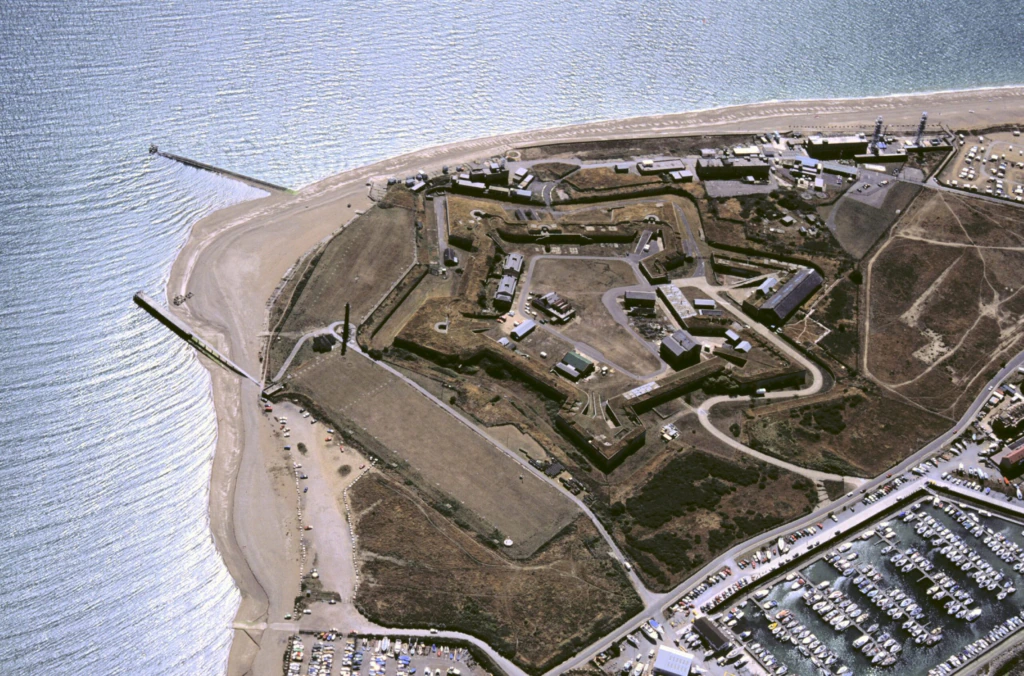
Fort Cumberland in Portsmouth has been closed for 12 months to undergo an upgrade to the building as well as its curatorial and storage facilities.
The 75-year-old science facility, which provides bespoke advice and services to the heritage sector and houses Historic England’s reference collection and analytical instrumentation, now boosts new storage and curatorial facilities.
Reconfigured lab spaces and new flooring, heating and cooling systems will provide better access to the biocultural collections and provide industry placements for PhD students.
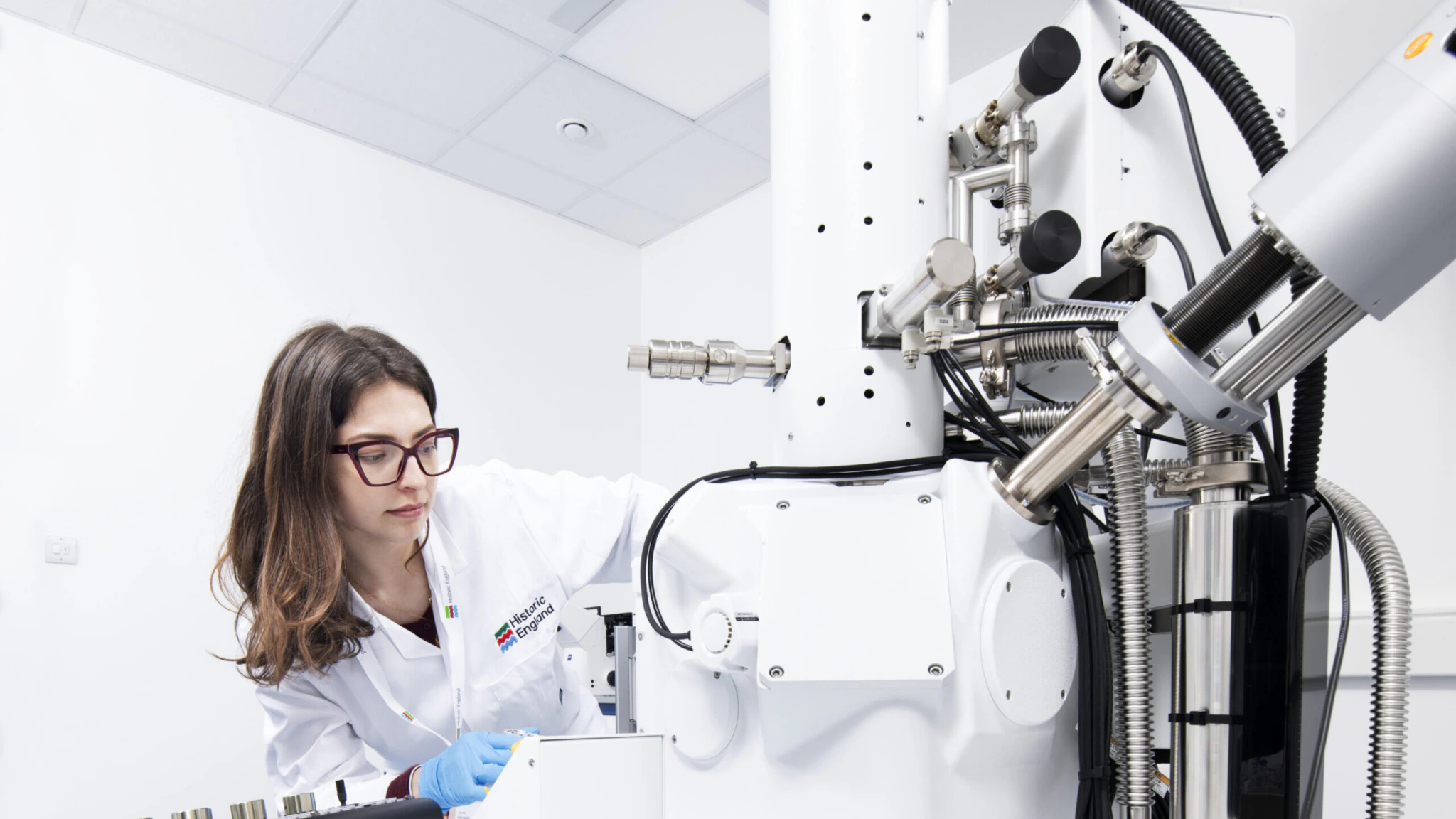
New specialist equipment has also been installed, including a scanning electron microscope and energy dispersive spectrometry system that allows the imaging of very small features as well as mapping the chemical composition of a wide range of materials.
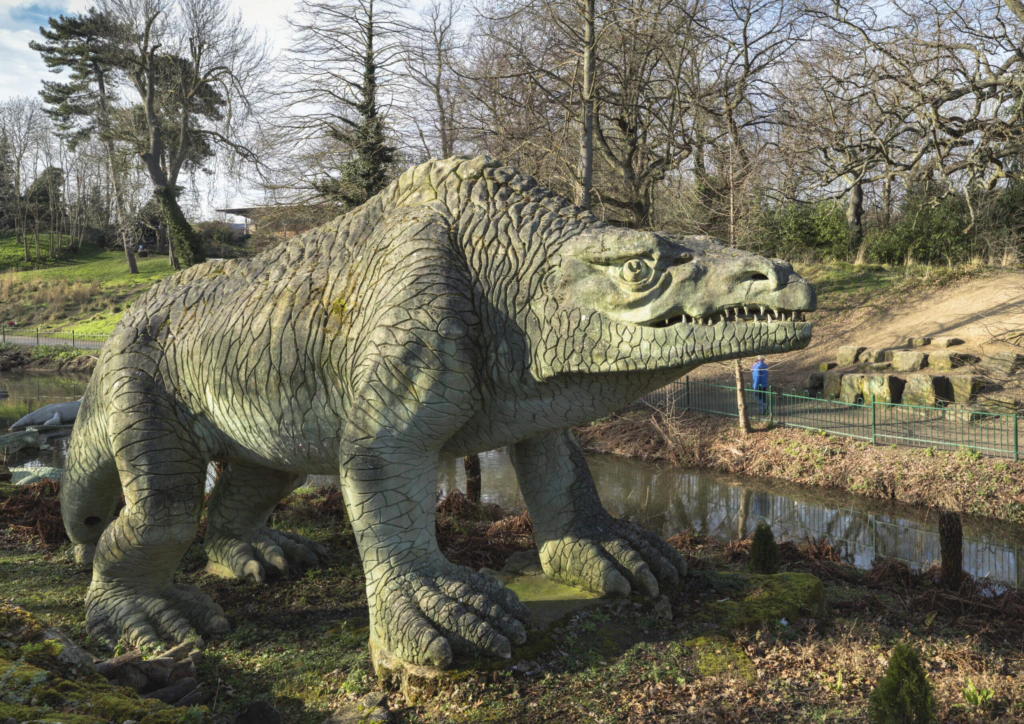
Expected uses include identifying dental wear in archaeological remains, although it has previously been used to understand why the painted surfaces of the Crystal Palace Park Dinosaurs were deteriorating.
The new system can be accessed remotely, which Historic England said will reduce the need for researchers to travel and could lead to more regional and potentially international collaboration.
Advertisement
It will also be used to analyse how coatings respond to environmental changes and help develop more sustainable materials by informing treatment strategies for a wide range of artefacts and building materials.
“The amazing work of our archaeologists and heritage scientists is helping to uncover the hidden stories that connect us to our distant past,” said Duncan Wilson, the chief executive of Historic England.
“This new investment in Fort Cumberland’s laboratories will enhance our research and conservation work and improve access to our expertise, equipment and collections, helping more people to enjoy and care for their heritage.”
The new equipment has been purchased using grants awarded by the Arts and Humanities Research Council (AHRC) as part of the Research Infrastructure for Conservation and Heritage Science (RICHeS) programme. The grants will also fund some additional posts at the facility.
Christopher Smith, executive chair of the AHRC, said: “The adoption of new technology and practice is critical to ensuring that we preserve and learn from our extraordinarily rich heritage. That’s the ethos behind the RICHeS programme and I’m excited to see the work that will be done by the team at Fort Cumberland as a result of this funding.”
Fort Cumberland is an 18th century, pentagonal-shaped bastion fort in England. It is a scheduled monument and incorporates grade II and II* listed buildings.