Tullie, Cumbria’s largest museum and art gallery, has welcomed the public back after a significant redevelopment.
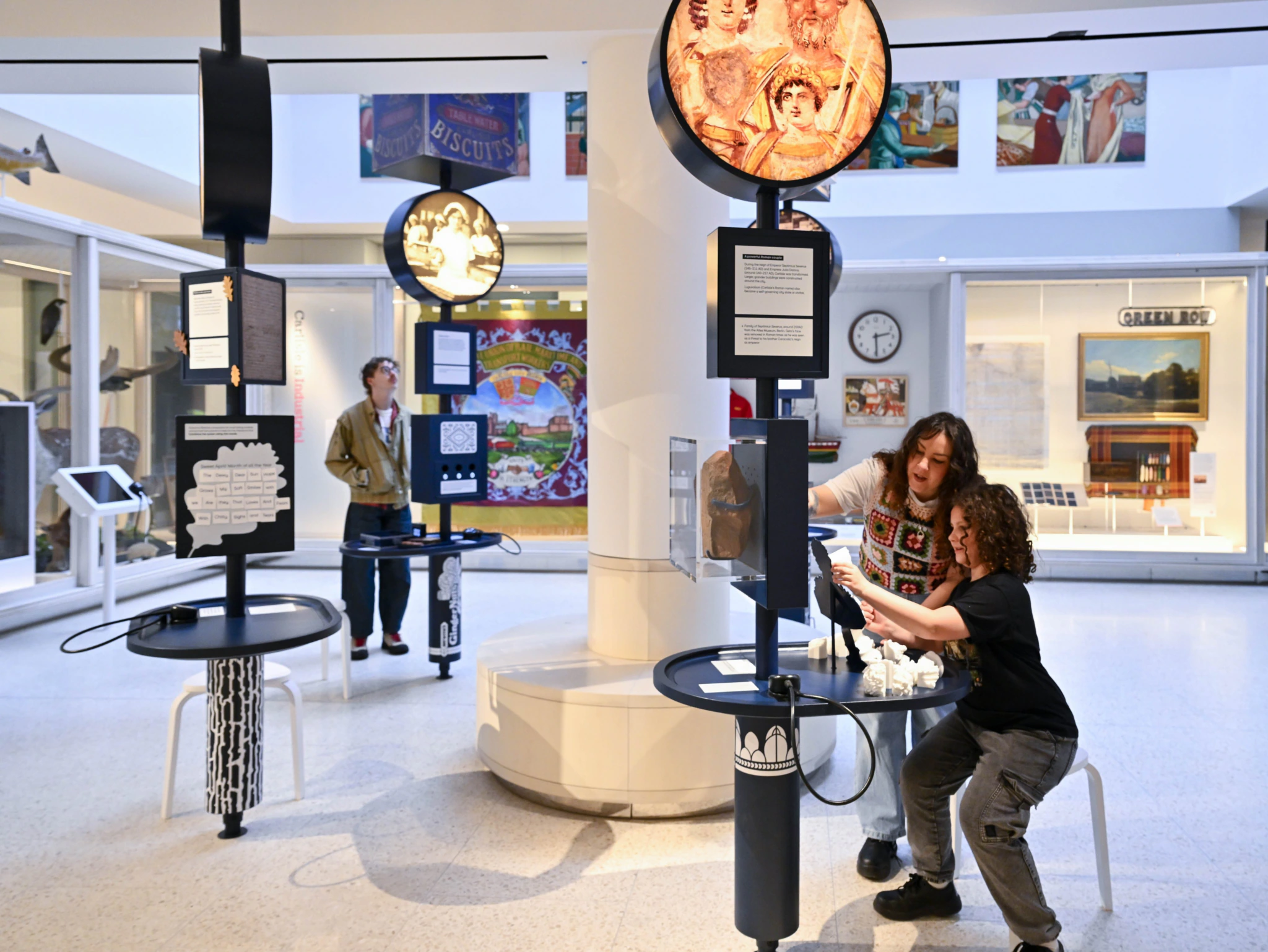
The transformation includes a modernised welcome area and entrance, a brand-new shop, and the newly developed Carlisle Gallery, which will showcase the history of the border city.
The project was led by De Matos Ryan Architects, the design team behind the recent award-winning redevelopment of the Young V&A. In a statement, Tullie said the architects’ vision had “infused the museum with new purpose and vibrancy, reinforcing its role as a cultural hub in the heart of the city”.
The redesigned Carlisle Gallery highlights the breadth and variety of objects in the museum’s collection, exploring themes such as the “wild, social, industrial, and revolutionary forces that have shaped the city”.
The space invites visitors to discover the “personal stories, struggles, and triumphs” of Carlisle’s communities. A key feature of the gallery is Faunus, a new artwork by local artist Nicole Bishop, which was inspired by the earliest biodiversity records from the Cumbria Biodiversity Data Centre recorded in 1512.
The new welcome space features Serena Korda’s Hold Fast, Stand Sure, I Scream a Revolution, a large-scale ceramic mushroom installation suspended from the ceiling. The work was acquired with support from Arts Council England, the V&A Purchase Grant Fund, Art Fund, the Henry Moore Foundation, and Arts&Heritage.
Advertisement
The project also included the revitalisation of Café Tullie, which reopened in February 2025. A new full menu for the café launched alongside the opening of the new spaces.
The new museum shop aims to “reflect Tullie’s ethos of creativity, inclusivity, and sustainability”, with a selection of locally made, bespoke products that take inspiration from the museum collection. The increased retail offer is the first time that the museum has had a high-street presence.
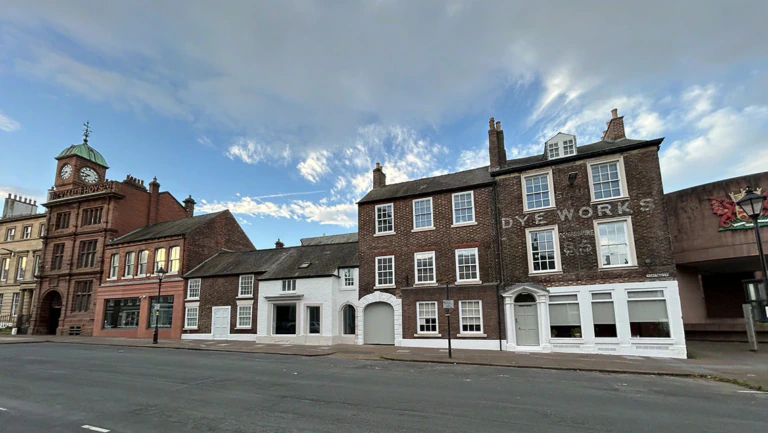
As part of the works, the Grade I Listed Gatehouse, a central feature of Carlisle’s streetscape, has also undergone a major restoration with funding from Historic England. The building has now been removed from the Heritage at Risk register following a full refurbishment.
The work is part of a phased “futureplan” to transform Tullie for future generations. In late 2025, work will begin on the next phase of the project, which will focus on the museum’s first-floor gallery spaces and creation of new learning facilities. The museum will remain open during this work.
The project has been suppoorted by the UK Government, including funding from the Town Fund and Future High Streets Fund, along with £2m from Arts Council England.
The refurbishment of Café Tullie was supported by the government’s Shared Prosperity Fund. A grant from Historic England supported a full refurbishment of Tullie’s Grade I Listed Gatehouse.
Advertisement
Tullie, which has been an independent charitable trust since 2011, is owned by Cumberland Council and managed by Tullie House Museum & Art Gallery Trust.
Direct funding from the council, along with the funding secured from the UK Government, has contributed nearly £4m towards Project Tullie so far.
“Carlisle is undergoing a transformative series of projects that will enhance our city’s economy and cultural offer,” said Anne Quilter, portfolio holder for vibrant and healthy places at Cumberland Council.
“Tullie, as one of our flagship attractions, is central to this change. These exciting developments will provide a lasting legacy for both locals and visitors, enriching the cultural landscape of Carlisle for years to come.”
Emmie Kell, director of museums and cultural property at Arts Council England, said: “We are thrilled to see the unveiling of Tullie’s new entrance and exhibition spaces.
“This redevelopment will allow even more visitors to explore Carlisle’s rich cultural history through its outstanding collections. It’s a pleasure to continue supporting Tullie in its mission to offer a vibrant and inclusive cultural experience to all.”